Christy O'Connor on Cork hurling: Rebels have options now but need to make that count
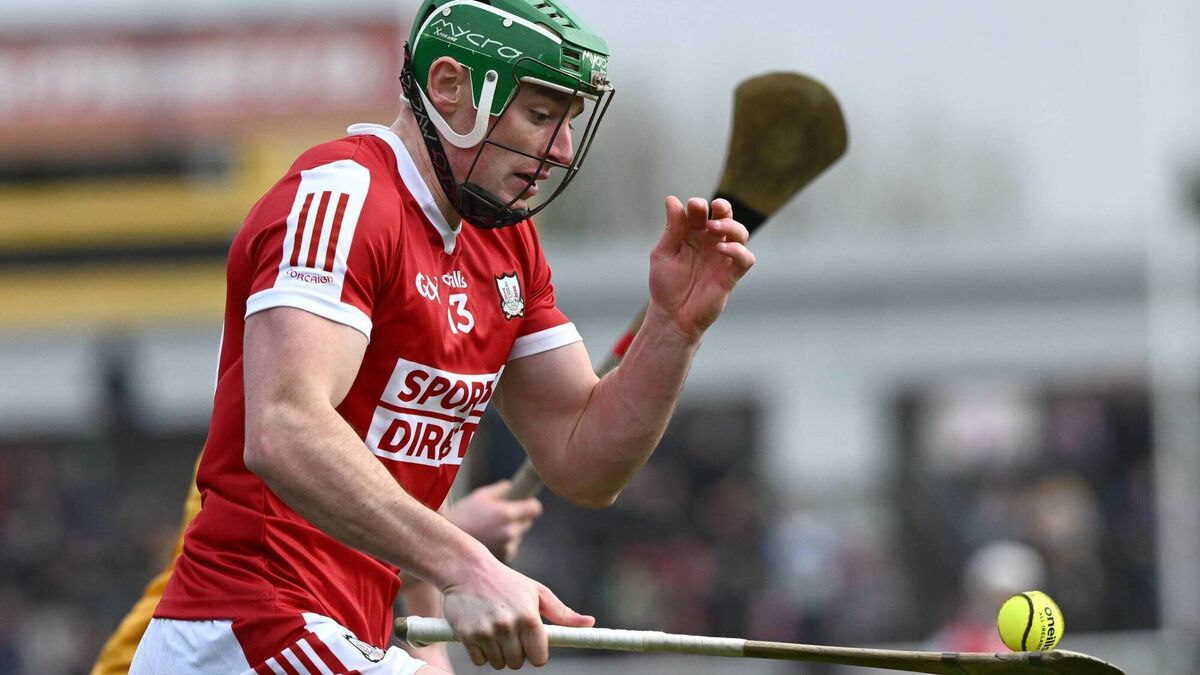
Robbie O'Flynn on the move for Cork at Cusack Park. Picture: Ray McManus/Sportsfile
On the Thursday evening before Cork played Limerick in last year’s crunch round-robin game in Páirc Uí Chaoimh, Robbie O’Flynn pulled his hamstring in training.
O’Flynn was set to start but his injury re-opened the door for Brian Hayes, who had started against Clare 13 days earlier but was taken off scoreless. Hayes was outstanding when terrorising the Limerick defence as a target-man.
When Cork beat Limerick again two months later, in the All-Ireland semi-final, Hayes was sensational. With 1-4, he was Cork’s top scorer from play but he had another goal harshly disallowed, while one of his points was a flick that just grazed the crossbar.
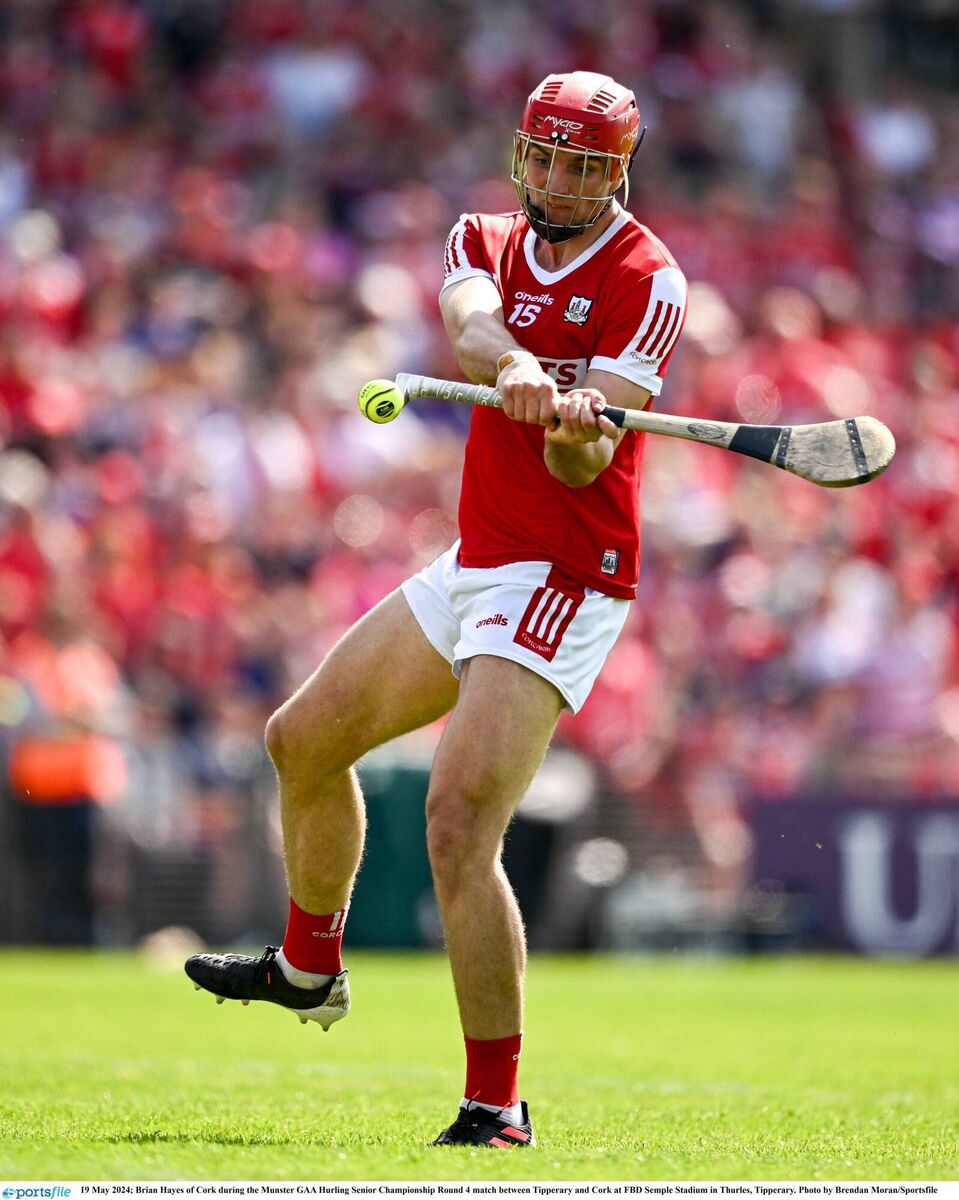
Hayes was a key reason why Cork reached last year’s All-Ireland final, primarily because he gave Cork something the team had been lacking for years; a physical menace and ball-winner, with pace and power, and an eye for a score.
That evening in Páirc Uí Chaoimh last May, Hayes really announced himself as an inter-county forward of substance and threat.
Yet would he have got his chance to showcase that potential if O’Flynn’s misfortune hadn’t reopened the door for Hayes that evening?
Nobody knows but the early part of last year’s championship for Cork smacked of that uncertainty, of nobody really knowing where Cork stood, or where they might end up.
The most changes Cork had made for any one championship game in 2023 was four but Pat Ryan drafted in six new players for the match against Clare seven days later.
The team was bound to change with two games in the opening seven days, but so much corrective surgery for such an important match wasn’t a total surprise considering Cork didn’t look fully sure of their best 15 at the end of the 2024 league.
Ten months on, Cork are in a far better place now. Having so many options allows for fluidity and squad rotation but Cork have built up more confidence and belief in themselves now to be able to consistently rotate players with more conviction – because they have a good idea now of their best 15.
This team fully believes in itself now too. Beating Limerick twice, and losing the All-Ireland by a point after extra-time, was proof that Cork are getting closer to where they want and need to get to.
Last year has given Cork a point of reference – especially around their strongest team – that they were lacking for the first 3-4 months of last season.
Those foundations were less stable again before last year’s championship with Cork having only won five of their previous 11 league and championship games between March 2023 and March 2024. And two of those wins were against Offaly and Wexford, sides Cork would have expected to beat.
It took until mid-May for Cork to finally find that right balance.
Pat Ryan and his management would ideally prefer more options at corner-back and midfield, while they will also be on the lookout for back-up options during games for Seamus Harnedy and Declan Dalton.
Most of the forwards Cork brought in off the bench in 2024 were speedsters but having more physical ball-winners would broaden their armoury and mean Cork wouldn’t have to change their up their style as much – in terms of shape and structure - in the last quarter.
Are those kind of players there? Yes.
After an injury-interrupted season in 2024, Ethan Twomey - the kind of player that Ryan and this management value – can also give Cork more thrust around the middle third.
Micheál Mullins is still trying to get traction at this level but playing on a good MTU team – that could go deep into the Fitzgibbon Cup – will really stand to Mullins if he can combine performing well with MTU and impressing at Cork training.
Diarmuid Healy, Darragh O’Sullivan and Jack Cahalane will also benefit from their involvement with MTU.
All three are quality young players that should have good Cork senior careers ahead of them but it will be a stretch for them to muscle their way into the side in the face of such competition.
The shake-up of the panel should foster that competition even more, so much so that Cork should be aiming to win the league for reasons of more than just seeking to end a 27-year wait for a league title.
Because this group needs to win silverware in Year 3 of this management to show that there is real progression.
Ideally, that would be a Munster or All-Ireland title, or both, but a league would mean a team performing more consistently than Cork had been in the lead-up to last year’s championship.
A league title is not a necessity but, if Cork do get to a final, winning that game would be – especially with Cork having lost their last three national finals.
Cork won’t be thinking about a league final now but they will be mindful of getting a good start to the campaign.
Losing their first two games last year to Clare and Kilkenny were matches Cork could have won but two defeats suddenly left Cork scrambling. And that’s the last thing Cork need now in a more competitive division.
In any case, Cork will be expected to have two points in the bag by Saturday evening against a depleted Wexford side.
The key then for Cork is to keep accumulating the points throughout the spring.







 App?
App?


