Recovering from an ACL injury: The return to sport process
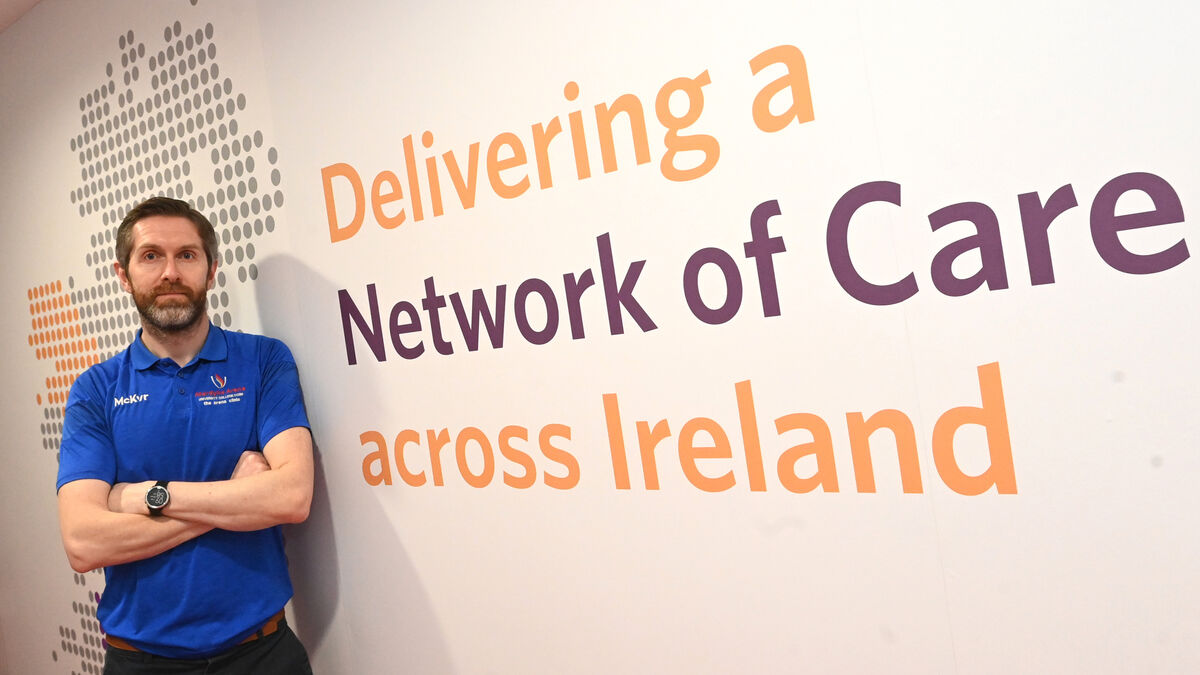
Joe Normoyle, Clinic Manager (Lead Clinician) at UPMC Sports Medicine Clinic at Mardyke Arena, University College Cork (UCC). Pic Larry Cummins
THE anterior cruciate ligament (ACL) is a ligament in the knee that connects the bottom of the thigh bone (femur) to the top of the shin bone (tibia).
It provides stability to the knee joint along with several other ligaments.
Injury to the ACL is usually caused by sudden change of direction movements such as cutting manoeuvres or sudden stopping.
This may result in the ligament being over-stretched or tearing. A tear may be partial (partial thickness tear) or complete (fully ruptured).
If you have sustained a significant partial tear or a full tear you may require surgery to reconstruct the ligament.
This is done by taking a tendon from another part of your knee (usually your hamstring or patella tendon) and inserting it in where the ACL previously was. Over time, the tendon will do the job of your ACL.
Despite the advancement in surgical procedures, the outcomes following ACL surgery continue to be relatively poor with some studies reporting that less than only 50% of athletes will regain their pre-injury level of performance.
Furthermore, for those who do return successfully to sport, re-injury remains a risk. Understanding the risk factors involved in re-injury is vitally important and has been widely studied.
Currently, the best evidence to support a successful return to sport is by engaging in a structured ACL rehabilitation programme.
This should be overseen by an experienced health professional to guide and individualised the various stages of rehabilitation.
The goal of the rehabilitation process is to get the athlete to a point where they have:
Depending on the type of graft used, there may be some persistent pain in the knee, but this is related to tendon pain rather than anything structurally concerning.
To measure this, we use an isokinetic dynamometer which is a fancy (and very expensive) piece of equipment that can accurately measure the strength of the quadriceps muscles and the hamstring muscles.
We then make a comparison between the operated and non-operated side to see if we are hitting specific objective markers.
It also allows us to measure the quad/hamstring ratio to determine if one muscle group is doing far more work than the other which can lead to imbalances and potentially increase the risk of re-injury.
Most athletes that injure their ACL play a sport that required abrupt cutting/stopping movement and their ability to produce power is vital to protect the knee joint.
We assess this using certain hop tests that assess the ability to jump vertically, horizontally, and laterally.
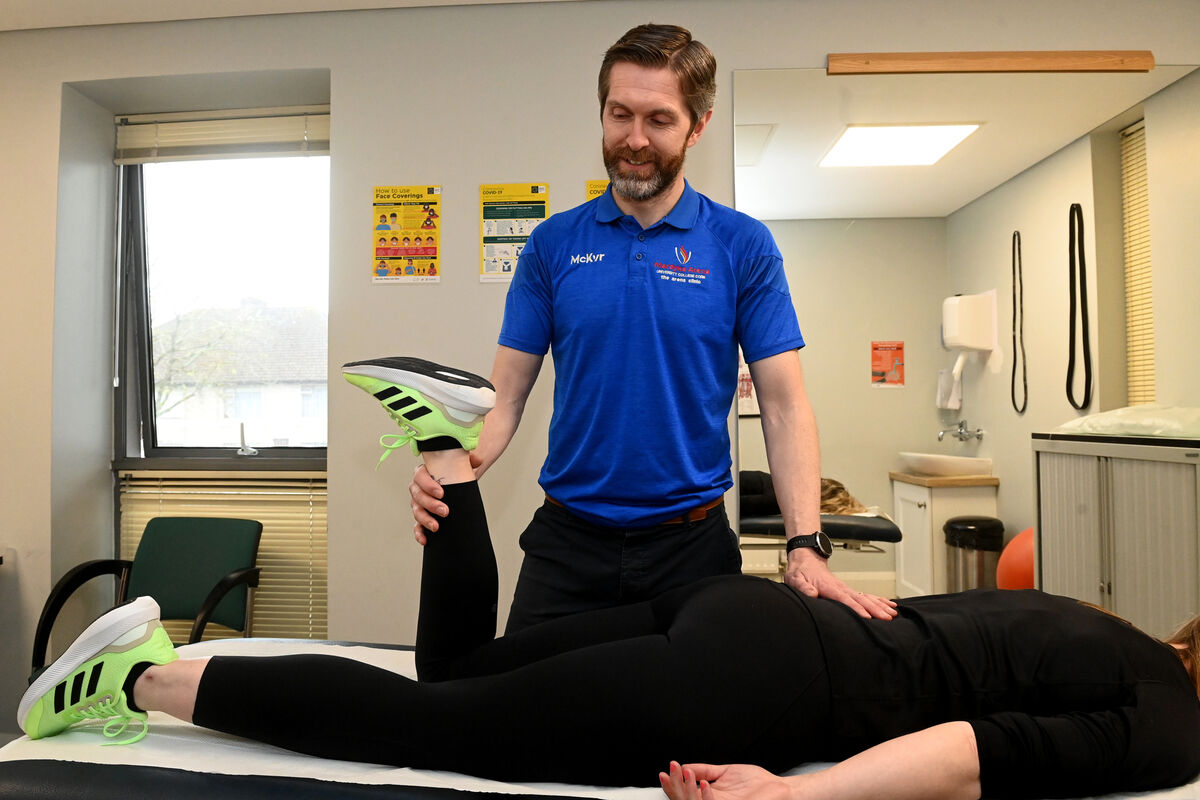
By utilising more fancy equipment known as force plates, we can obtain objective data on how well the individual is generating force and absorbing force when landing.
This part of the rehab process is all about teaching the patient to move well.
This starts early in the rehabilitation phases. Altered movement patterns may leave the knee joint exposed to further injury or reinjury of the ACL.
Teaching the patient to move more athletically will give them another layer of protection.
Lack of confidence, fear of re-injury and pain-related fear are believed to be factors that influence the athlete’s function.
These factors play a key role in distinguishing athletes who may not be able to return to sport.
Maintaining motivation through the rehab process helps the athlete to remain engaged with rehab and work through a graded return to sport. This allows the athlete to build their confidence over time and under the guidance of their health professional.
One of the biggest risk factors for reinjury is rushing back to sport too early.
There is no gold standard when it comes to timeframes, however, 9 months of rehab is the average return to play period if the process has gone well and the athlete has been compliant with their rehab.
There are certain groups that are better to take a bit longer in their rehab journey such as female athletes and athletes under the age of 20. There are several reasons behind this that have been quoted in literature.
Furthermore, a recent study reported that by delaying return to sport past the 9-month mark, a significant reduction of 51% for each month was observed.
So, as the saying goes “time is a virtue” and is essential with this long-term rehab.
In summary, ACL injury gets a lot of publicity due to the protracted rehabilitation process and reinjury rates.
It can significantly impact on an athlete’s career. However, returning to sport is achievable for most athletes and our team of experts at the UPMC Sports Medicine clinic at the Mardyke Arena UCC will work with you to make the rehabilitation journey as seamless as possible.
We will put you through a full return to sport testing protocol and, together, make a joint decision about when you can safely return to your sport.





 App?
App?


