Christy O'Connor on why All-Ireland club finals aren't drawing the same crowds
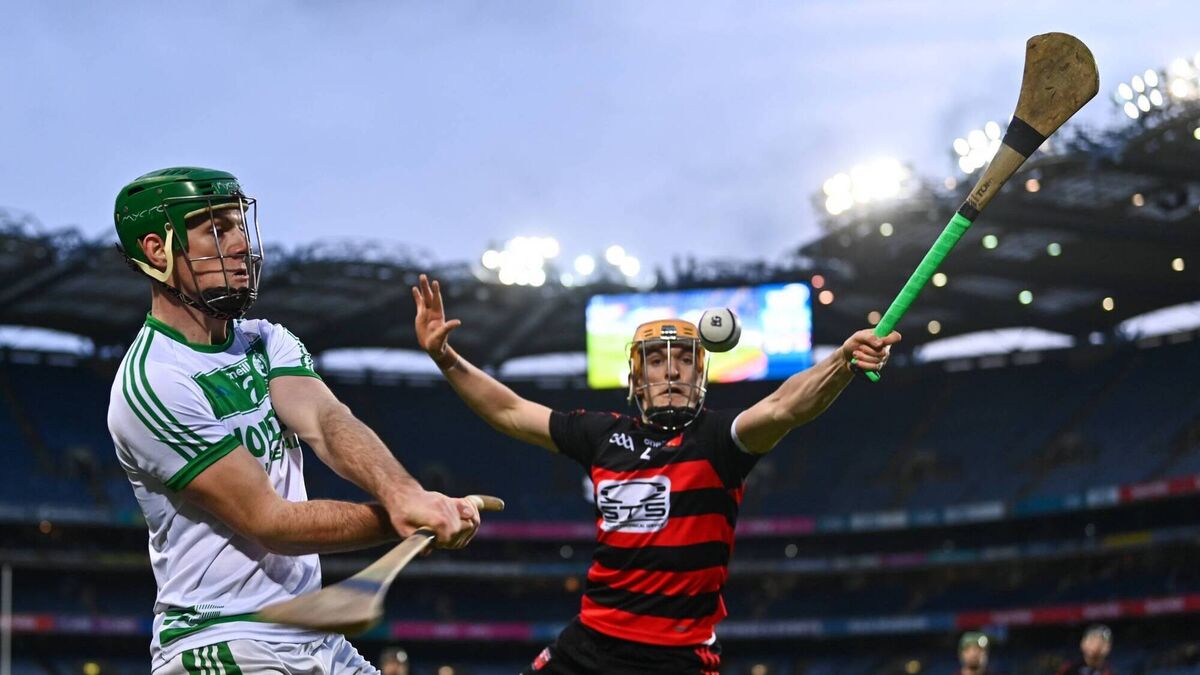
CLEARANCE: Ballyhale's Eoin Cody in action against Tadhg Foley of Ballygunner at Croke Park. Picture: Eóin Noonan, Sportsfile
WHEN the All-Ireland club finals were first moved from St Patrick’s Day back to January in 2020 (they were held in February in 2022), the change of date prompted speculation that the biggest casualty of the alteration would be the attendance.
Club finals hadn’t been well attended anyway during the previous two seasons. In 2019, only 17,819 were present for the double bill of Corofin-Dr Crokes and Ballyhale-St Thomas’, whereas just 15,000 braved the Artic conditions in 2018 when Cuala-Na Piarsaigh and Corofin-Nemo Rangers squared off.
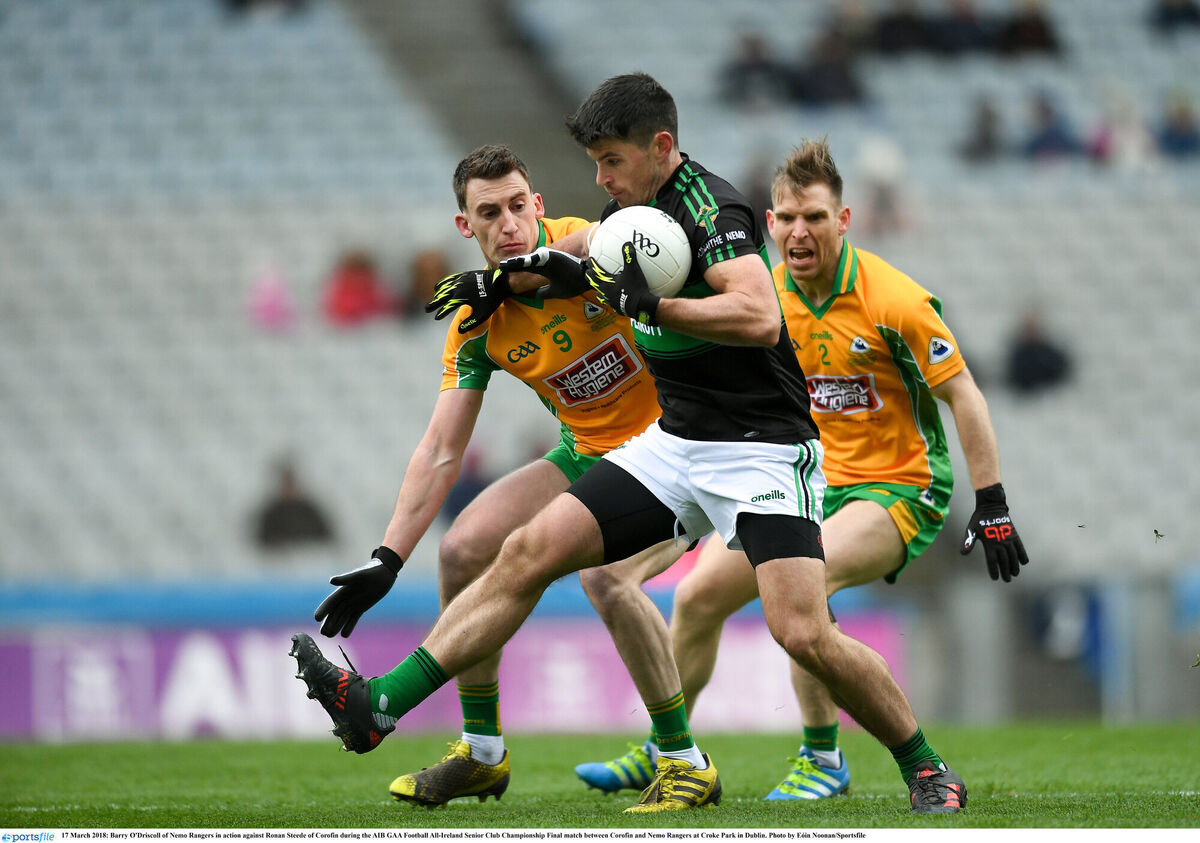
That 2018 fixture did take place on the same afternoon as Ireland’s Grand Slam in Twickenham, but the average crowd of around 16,500 for the 2018 and 2019 finals was a concern considering that the average attendance over the previous two decades was around 27,500.
Moving away from St Patrick’s Day had to happen but it was inevitably going to impact on the attendance, especially given how much of a walk-up crowd usually showed up, particularly after the parade.
The attendances did improve; the average in 2020, 2022 and 2023 was 21,975. That was still well below the average from the previous two decades, but it was more than acceptable considering the fear of how low the crowds could get when the games were moved back to late winter from mid-spring.
Timing is everything but so is context and circumstance. For example, a club from a county that doesn’t have a history of success is much more likely to bring a big crowd from that county to Croke Park than a more successful club that wouldn’t generate the same groundswell of support within that particular county.
Some diehards go to the club finals every year but there is also a factor of perceived competitiveness, which was clearly a factor in the drop in attendance in the last decade.
For a handful of years during that period, the All-Ireland club finals wasn’t much of a spectacle. For decades, the All-Ireland club hurling final had been a consistent let-down, almost consistently hitting a nadir in terms of entertainment value at various stages of the last decade.
Between 2008 and 2019, there were only three competitive finals and only one outstanding match; the Cuala-Na Piarsaigh replay in 2018. And that game was staged in Portlaoise, which added to the atmosphere and excitement.
Ballyhale beat Portumna by five points in 2010, while St Thomas’ edged past Kilcormac-Killoughey in 2013, but neither game lived up to its pre-match billing, especially the Ballyhale-Portumna final, which pitted two teams that had shared the previous four titles, and which was the most hyped up club hurling final ever. The 2013 decider was between two clubs appearing in their first final, but the weather was desperate and the match never caught fire.
At least those matches went to the wire whereas the majority of the other nine hurling finals between 2008 and 2019 were routs; the average winning margin in those games was 12 points; seven of the nine matches were effectively over with 20 minutes to go.
For most of the neutral supporters, the competitiveness of the football final invariably compensated for the low quality of the curtain raiser, but the football final had also become a concern by the latter half of the last decade.
The average winning margin across the 2014, 2015, 2016, 2018 and 2019 finals was 11.5 points.
Consequently, the double-bill in some of those years was a total washout, particularly in 2015 and 2019. The combined winning margin of victory across those four games was a colossal 53 points.
The 2019 finals was a particular let-down. Ballyhale and St Thomas’ had been champions in 2013 and 2015 respectively, whereas Corofin and Dr Crokes had won the two previous All-Ireland football titles. Yet Corofin hammered Crokes by 12 points while Ballyhale routed St Thomas’ by 17 points.
Since the move back to January though (and February in 2022), the standard and competitiveness of both finals has completely flipped. Two of the last three football finals have gone to extra-time, while last year’s final almost needed an additional 20 minutes.
Kilcoo won the 2022 final against Kilmacud with the last kick while Crokes needed goalkeeper Conor Ferris to make a dramatic save in the dying moments to prevent Glen from snatching victory from them again last year.
The hurling has been just as competitive.
Ballyhale won last year’s final by seven points but Dunloy were only one point behind in the 50th minute before the Kilkenny side powered on.
What has changed? Has sports science been more of a factor in closing the gap and ensuring both finals have been more competitive? Has removing the long breaks between provincial finals and All-Ireland semi-finals (which was often as long as 11 weeks) reduced the propensity for staleness and flatness which often derailed teams in All-Ireland finals?
Conversely, has the shorter run-in (there was only two weeks between the football semi-finals and final in 2020, 2022, 2023 and 2024) made teams sharper and more polished?
Whatever has changed, it has been for the better, right across the board. Glen are strong favourites for the football final but it would be unrealistic for anyone to expect them to run out easy winners. There appears to be so little between both teams in the hurling final – St Thomas’ and O’Loughlin Gaels - that extra-time can’t be ruled out.
Either way, a good day’s entertainment certainly looks on the cards.








 App?
App?


