Cork boxing Olympians will be honoured next year to mark the centenary of boxing at the Olympic Games
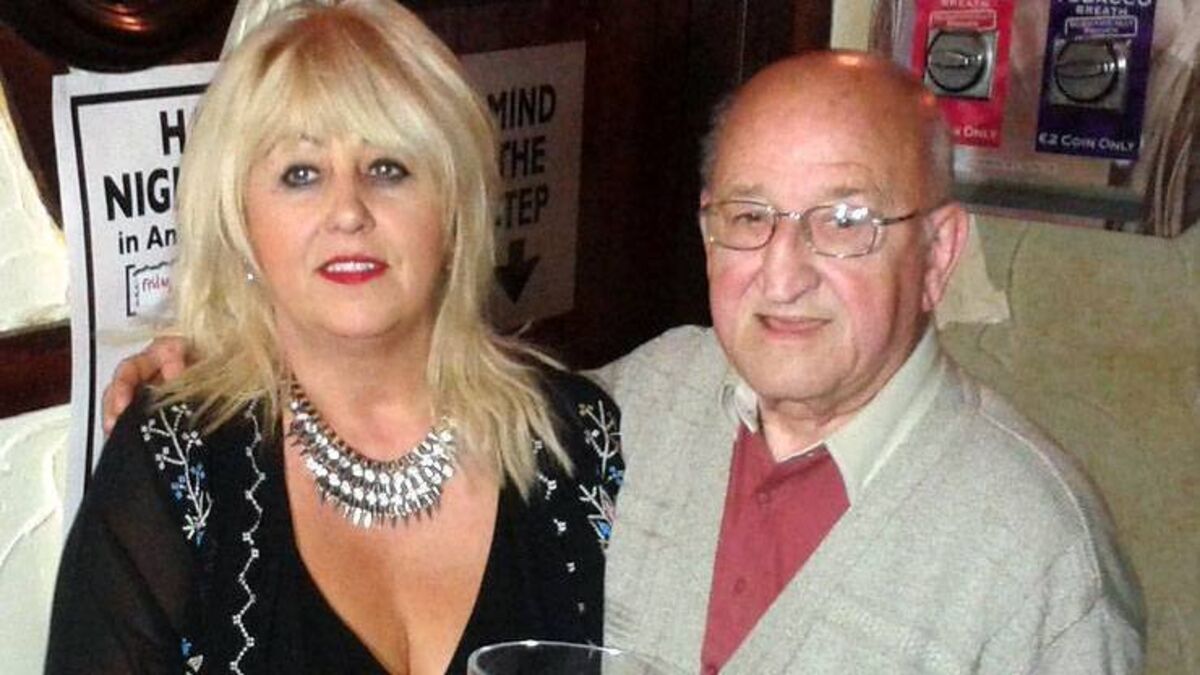
Angela Bruton, niece of 1960 Olympian Paddy Kenny, accepting Olympic bowl from Tim O'Sullivan, former team-mate of Kenny, at An Spailpin Fanach Bar,
AS part of next year’s Olympic Boxing Irish Centenary Celebration, each Cork boxer who participated in the Games will be honoured.
This event will take place at an Olympic Dinner Dance at the Rochestown Park Hotel.
For Cork boxers it all began in Paris in 1924.
These were Cork's Olympic trail blazers who ignited a torch which burned brightly and kept the Olympic spirit alive on Leeside for over one hundred years.
Amongst the seven-man Irish Boxing Team, three came from Cork, Mossy Doyle, James Kelleher and Jim ‘Willie Boy’ Murphy.
Next year to mark the Centenary of the Olympic Games in the French Capital the 2024 Games will return to Paris.
At next year’s Cork Boxing Olympic Dinner, a representative from the families of deceased Olympians will be presented with a Centenary Bowl and all surviving Olympians will be in attendance to receive the Presentation, each Cork Boxing Olympian will be profiled on the night of the celebration.
In 1960, Paddy Kenny from the Cork News Boys Boxing Club, represented Ireland at the Olympic Games in Rome.
Paddy was the Irish Senior Bantamweight Champion following his victory over John Joe Donaghy from Coalisland.
In Rome, Kenny had a very disappointing experience; he won his first bout with victory over a Canadian. He was then in contention for a medal.
Kenny’s next bout was against Jerry Armstrong from the U.S.A.
Many neutrals believed Kenny won the bout. However, the verdict from the five judges showed two opted for Kenny, two opted for Armstrong and the fifth judge scored the bout a draw.
However, he was also the Chairman of the judging panel and inexplicably gave the American the decision with his casting vote.
Irish Officials then attempted to have the decision appealed but their application was rejected.
Kenny was the first Cork boxer to have an Olympic medal snatched from his grasp.
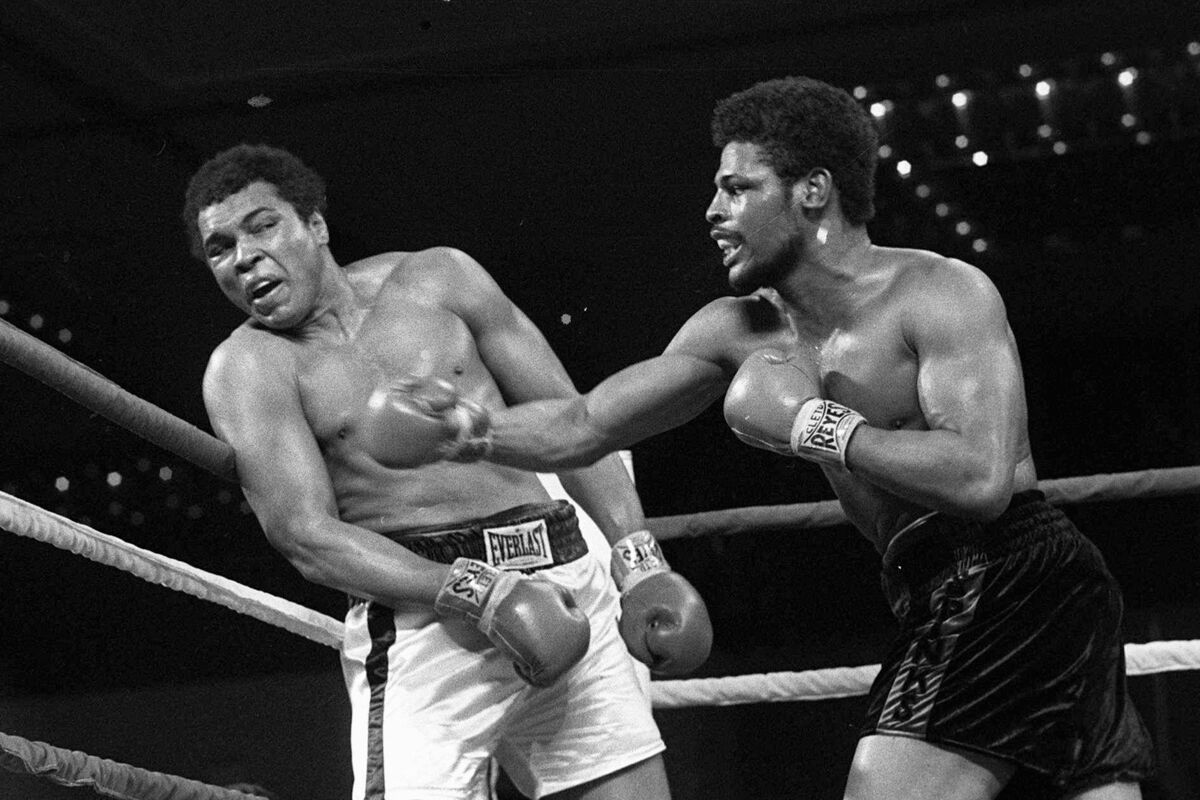
During these Olympics Kenny shared a dressing room with Mohammad Ali who told him at the time he believed he was robbed.
This boxing story made big sporting headlines throughout the Country.
On his return to Cork from Rome, Paddy Kenny gave a number of interviews.
Amongst those was a radio interview he gave to a young Radio Éireann reporter by the name of Eamonn Andrews.
Andrews set up this interview through Tim O’Sullivan who was also a former International and a member of the Cork News Boys Boxing Club.
On the day of the interview Timmy accompanied Paddy.
They met Andrews in the Savoy Restaurant on St. Patrick`s street. Later they went to the Radio Éireann studios on Union Quay.
Following the subsequent broadcast Paddy Kenny became an Olympic boxing Hero on Leeside, and Andrews went on to International Television stardom.
Born in Dublin in 1932, Eamonn Andrews went on to enjoy world fame as the presenter of “This is Your Life”.
On leaving Synge Street Christian Brother’s School, he took up work as an insurance clerk, but harboured deep ambitions to become a sport`s broadcaster.
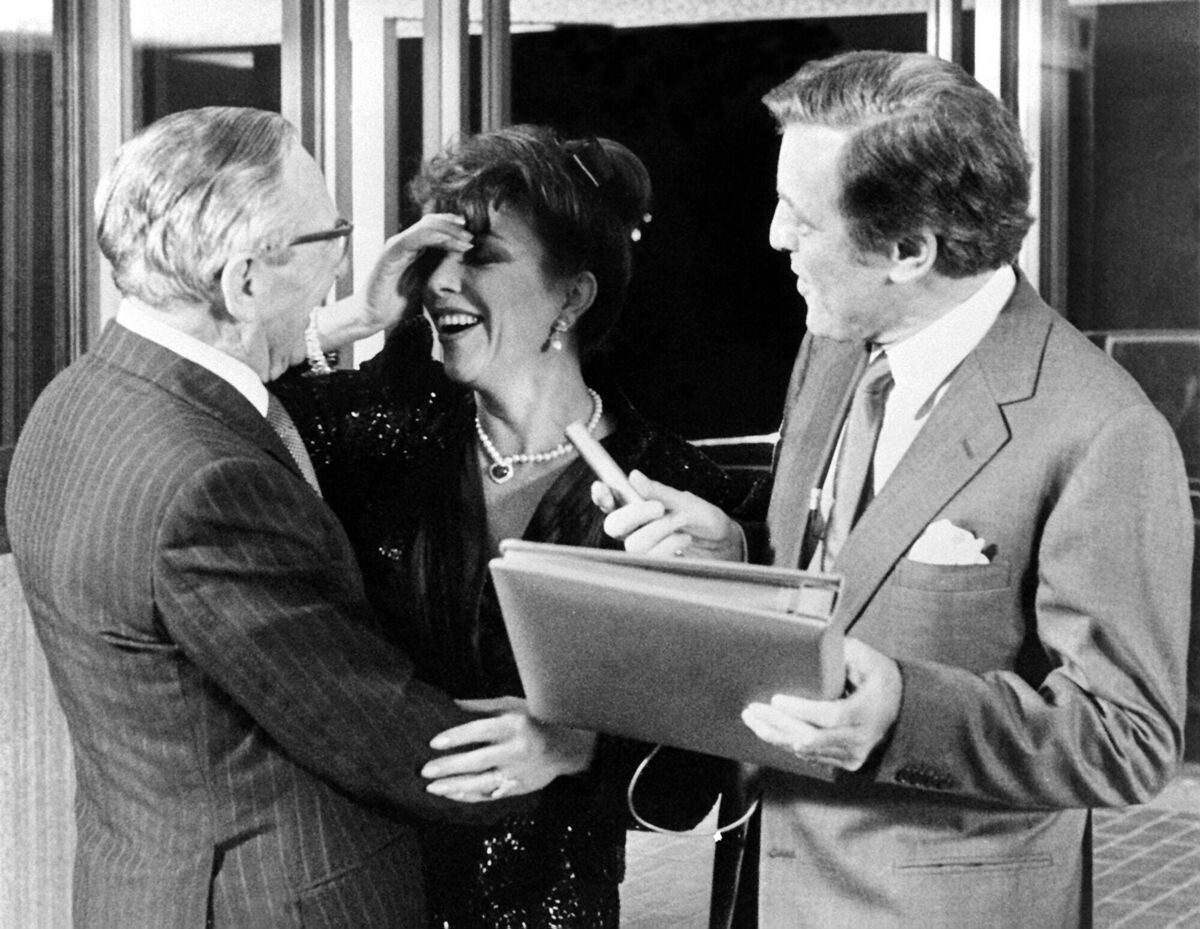
He bombarded Radio Éireann with letters claiming he was a ‘boxing expert` who had also taken elocution lessons’, until he was finally given an audition.
When asked to describe a boxing match from his imagination, he impressed the panel so much that he was given a freelance contract and soon became the voice of Irish boxing at the National Stadium.
Andrews’ love of boxing had begun as a teenager at the St. Anthony’s Club where he acted as Assistant Secretary to Paddy Kilcullen.
At the 1954 Irish Junior Championships, Andrews fought his way to the semi-finals on Friday 15 March, where he was to meet Sean Killeen of the Corinthians Club at 8.45pm that evening.
The only problem for Andrews was that he was due to start a live radio broadcast at ringside fifteen minutes later.
With the pressure mounting, Andrews gave assured display to win his fight on points and still in his vest and shorts, went off to do his broadcast.
With the programme delivered with accustomed professionalism, later that night Eamonn boxed cleverly to beat Private Peter Fitzgerald to take the Irish title.
However, officials at R.T.E. had been troubled by the turn of events and his Irish boxing career was deemed to be at an end.
He would go on to make a name for himself as a flawless commentator on Irish radio and soon his talent was spotted by the B.B.C. in London.
While Eamonn Andrews went on to light up the world of television, for Paddy Kenny his experience in Rome in 1960 was bitter – sweet. Deprived of an Olympic medal by a whisker he still returned to Cork with the legacy of a priceless treasured memory and that was having shared a dressing room with Mohammad Ali the greatest boxer of all time.



 App?
App?


