The Health and Social Benefits of Leisurely Swimming for the Elderly

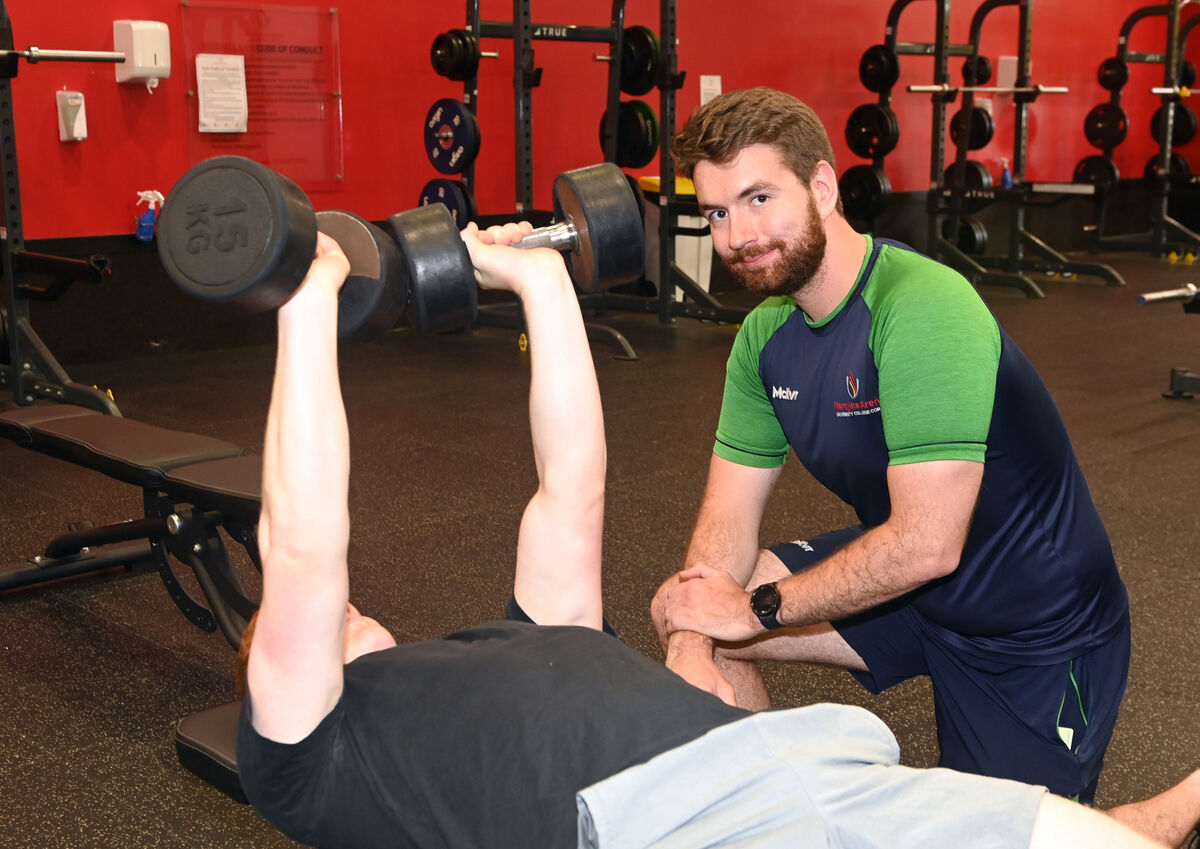
Stephen Bevan, gym instructor /lifeguard at The Mardyke Arena. Picture; Eddie O'Hare
AS we age, maintaining physical health and social connections becomes increasingly important.
One activity that can offer a multitude of benefits for the elderly is leisurely swimming.
Beyond the joy and relaxation it provides, swimming can enhance overall well-being, both physically and socially.
Most swimming pool providers offer a range of amenities to ensure an enjoyable experience for all visitors.
Whether you're a novice or an experienced swimmer, you can enjoy a refreshing and invigorating swim.
The shallow end is perfect for water exercises, aqua aerobics, or simply taking a leisurely dip.
In the deep end, more advanced swimmers can practice their strokes or engage in deeper water activities. For our younger visitors, most facilities offer a smaller pool with a consistent water depth throughout.
This ensures a safe environment for children to splash, play, and develop water confidence under the watchful eye of their parents or guardians. After your swim, step into our sauna and steam room to unwind and detoxify.
The gentle heat of the sauna soothes muscles, reduces stress, and improves circulation. The steam room, with its warm misty atmosphere, helps open the respiratory system, cleanses the skin, and promotes a sense of calm.
Now let's dive into the health and social advantages of this aquatic exercise for the elderly.
Physical Fitness and Vitality:
Swimming is a low-impact activity that places minimal stress on joints, making it an ideal form of exercise for older adults.
By engaging in leisurely swimming, all populations and demographics can improve cardiovascular health, build muscular strength, and enhance flexibility.
The buoyancy of water reduces the risk of falls and injuries while providing resistance, which promotes muscle toning and improves overall balance.
Regular swimming can also help manage chronic conditions such as arthritis and osteoporosis by reducing pain and increasing bone density.
Additionally, swimming is an excellent aerobic exercise that can improve lung capacity and enhances circulation.
It can assist in maintaining a healthy weight, lowering blood pressure, and reducing the risk of heart disease.
As a full-body workout, swimming engages multiple muscle groups, leading to improved stamina, coordination, and overall physical fitness, enabling seniors to maintain an active lifestyle.
Enhanced Mental Well-being:
Swimming not only benefits physical health but also contributes to mental well-being.
Exercise releases endorphins, the "feel-good" hormones, promoting a sense of happiness and reducing stress and anxiety.
Furthermore, swimming can promote better sleep patterns, which may be challenging for many older adults. Regular physical activity, such as swimming, may improve sleep quality, helping you wake up feeling refreshed and rejuvenated.
The combination of physical exertion and the soothing properties of water can help to alleviate symptoms of depression and improve overall mental clarity and focus.
Social Connection and Community:
Swimming is an activity that encourages social interaction and fosters a sense of community, which is particularly important and beneficial to older adults.
Going for a casual swim or participating in an aqua aerobic classes, not only provides a chance for older adults to engage in enjoyable exercise but also enables one to meet new people and catch up with old friends.
The camaraderie among fellow swimmers offers emotional support, combats feelings of loneliness, and contributes to a sense of belonging.
Moreover, swimming can be a family activity, allowing older adults to bond with their children, grandchildren, or other family members. Swimming together can help to promote intergenerational relationships, strengthens family ties, and provide an avenue for shared experiences and cherished memories.
Safety Considerations:
While swimming offers numerous health and social benefits, it's important to prioritise safety, particularly for older adults.
Before beginning any exercise program, older adults should consult their healthcare provider to ensure swimming is suitable for their individual circumstances.
Additionally, following pool rules and water safety guidelines are crucial to prevent accidents and injuries.
In conclusion, leisurely swimming is a holistic activity that can significantly improve the health and well-being of older adults.
Its low-impact nature, coupled with physical and mental benefits, makes it an ideal exercise option for older adults.
Moreover, swimming fosters social connections, creating a sense of community and enhancing overall quality of life.
So, grab your swimsuit, dive into the pool, and embrace the joys of swimming for a healthier and happier life.







 App?
App?


