Almost 100 patients in limbo after melanoma screening services paused at CUH
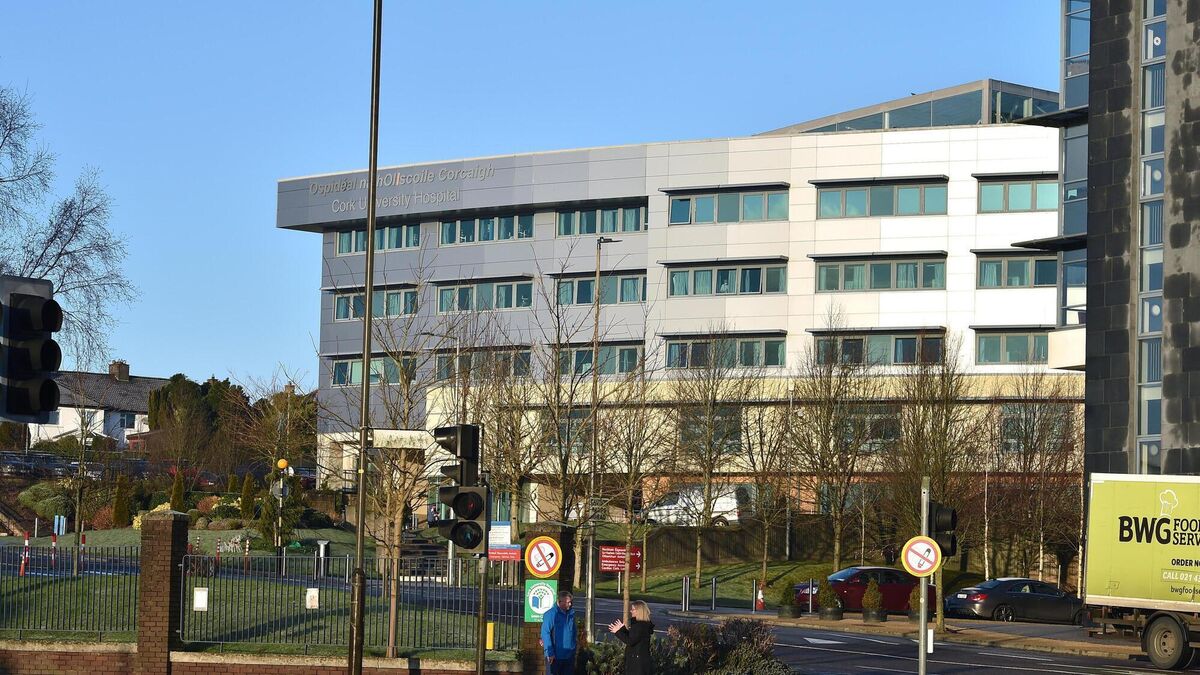
In a written response following a parliamentary question dated on October 1, the chief executive officer of CUH, Jennifer Kearney, outlined that the 98 patients “will be contacted by phone next week.” Picture: Dan Linehan.
Almost 100 patients were under surveillance at the melanoma mole screening clinic at Cork University Hospital (CUH) when the service ceased earlier this year.
The issue over the future of melanoma treatment, including mole mapping and screening, at CUH was highlighted following the retirement of the lead consultant of the service at the hospital.
In a written response following a parliamentary question dated on October 1, the chief executive officer of CUH, Jennifer Kearney, outlined that the 98 patients “will be contacted by phone next week.”
The CUH chief has also confirmed that the clinical nurse specialist post, which supported the melanoma service, has been vacant for approximately seven months.
The clinical director at CUH has strongly advocated for the post to be filled and CUH has listed it as a priority vacancy, but it is still awaiting national HSE approval to proceed with recruitment.
In response, Cork North Central Independent Ireland TD Ken O'Flynn said:"These are people were being watched closely for melanoma, one of the most dangerous cancers there is, and in many cases one where early detection makes all the difference.
“The service was stopped and nobody picked up the phone to tell them. It took a question in the Dáil before a plan to contact them was put in place.”
He added: "I want three things: every one of these 98 patients [should be] contacted this week, given a clear plan for their ongoing surveillance, and a date for when this service will be restored in Cork." He added that national approval for the nurse post should be issued without delay.
Cork Labour Party Senator Laura Harmon added: “Early detection is absolutely critical when it comes to melanoma and other skin cancers. Patients in Cork need certainty that they will continue to have timely access to the specialist care they need. The retirement of a consultant should not result in patients losing access to an essential service.”







 App?
App?


