Cork Simon: Helping the city's most vulnerable since 1971

Tipperary has seen a huge jump in the number of adults in emergency accommodation overtaking Waterford by quite a bit
Two decades ago, Cork Simon provided emergency accommodation for 44 people every night. Now it offers emergency shelter to 76 people nightly in its centre on John Anderson Quay, with 16 of them sleeping on mattresses.
Founded in 1971, Cork Simon now has an annual budget of approximately €15m, more than half of which is State funded, with the remainder coming from voluntary donations from the public.
Every day, the homelessness charity sees 50 people in its day centre, which is open to service users from 9am to 1pm five days a week.
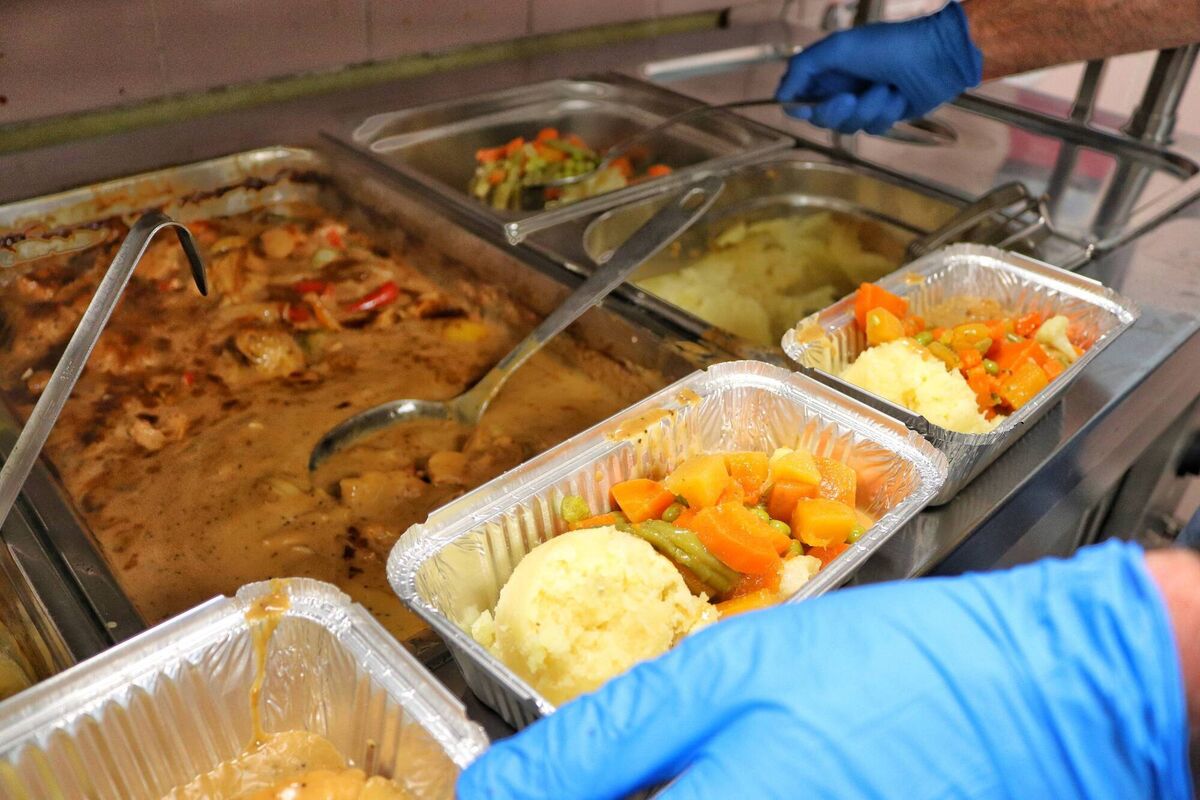
There, rough sleepers and people in emergency accommodation can get respite and access medical assistance, counselling, food and showers; while outreach workers help them with paperwork.
Those outreach workers, who operate in a team of four, go out early every morning from Monday to Friday to check on the rough sleepers who make their temporary beds in doorways, hedges, and under church porticos.
Every morning, rain or shine, they meet an average of 40 people sleeping out in the city, according to EU rough sleeper statistics.
The breaking of homelessness records has become a grim, almost monthly ritual, and a new record was reached in Cork city at the end of July, with the most recent Government figures showing there were 828 adults in homeless accommodation in June, up from 819 in May and a 25% increase from 606 in June 2025.
The figures also show that 902 adults were homeless in the southwest region, which covers Cork and Kerry — the first time this figure has ever exceeded 900.
In the region, there were 145 families with 255 children homeless in June, as well as 689 single adults.
The number of single adults experiencing homelessness in the southwest has risen by almost two-thirds in the past three years, while homelessness among all adults rose by just over half, Cork Simon’s 2026 Home Truths report found.
The 689 single adults in emergency accommodation in the southwest represents a 63% increase since June 2023, when the first Home Truths paper on single adult homelessness was published.
Adults in families increased 41% and all adult homelessness in the southwest increased 57% in the same period.
Asked about public perceptions of a rise in open drug taking on the streets of Cork, Kerry Brennan, Cork Simon’s head of services, said that while there was no denying the impact of public drug use, it was important not to conflate homeless people with people using drugs.
“There is clearly an overlap, but most people who experience homelessness are not often involved in addiction,” she said.
“And equally, the population of people who use drugs, including injecting drugs and illegal drug use, the vast majority are not homeless. Drug use goes on across all our society.
“But of course, it is also true that there is an overlapping cohort of people, the vast majority of whom will have very difficult histories of trauma and lifelong exclusion and lifelong challenges around trauma.”
People who have experienced traumatic incidents in their childhood or throughout their lives are particularly susceptible to addiction as a means of coping, she added, and this also makes them vulnerable to homelessness, especially in a housing crisis when affordable housing is scarce.
“The people who are closest to the edge are most likely to fall off into the most desperate situation of sleeping rough or accessing emergency homeless services.
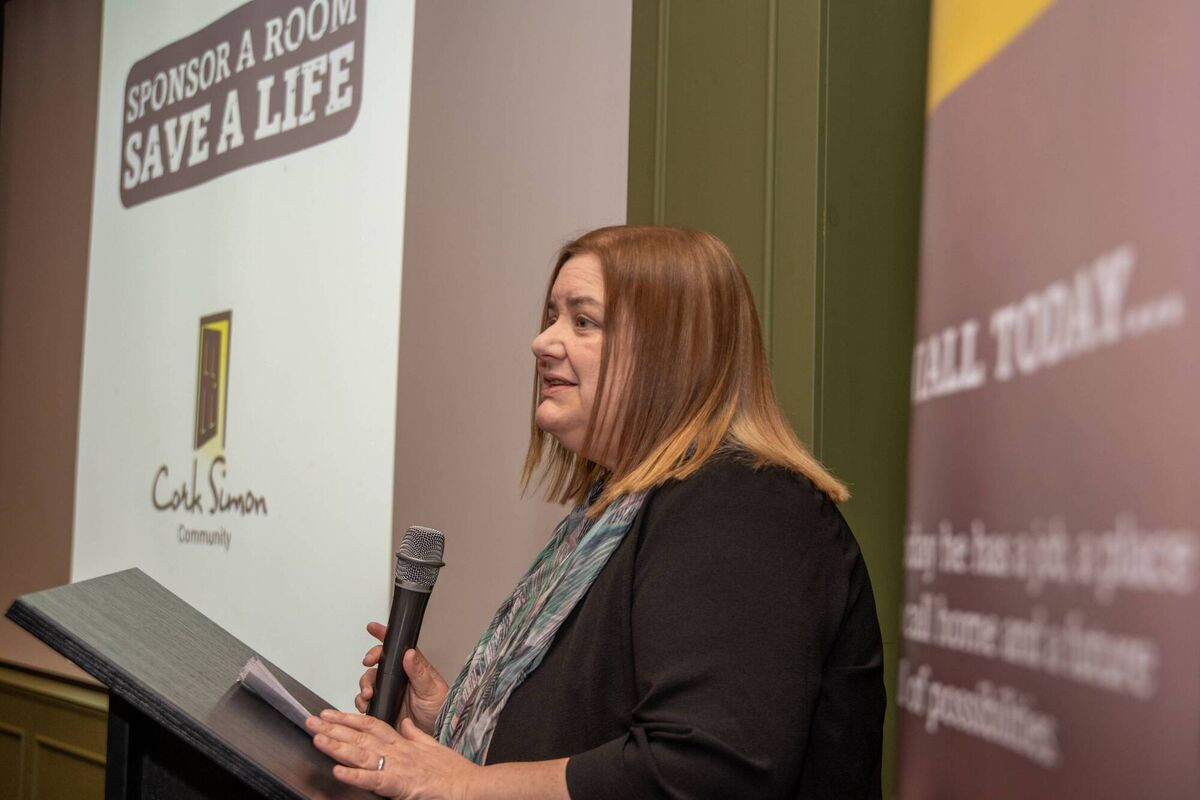
“There is a cyclical nature to the fact that substance use and addiction can be a means of coping with trauma, of self-medicating, of escaping from the incredibly difficult realities of somebody's life, and equally, struggling with addiction can make people much more susceptible to job loss and housing loss and homelessness and becoming entrenched in long-term homelessness,” Ms Brennan said.
Ms Brennan said she would support the introduction of a supervised injection facility or consumption centre in Cork.
“The purpose of places like safer injecting rooms is not to keep people in addiction, it’s to support people to stay alive and safe.
“It’s to help people to survive to the point where they may be able to access help, where they may be in a position to have an exit from the trauma of homelessness and a stable base to begin recovery.
“The two things go hand in hand.”








 App?
App?


