'My son's death was entertainment' says mum seeking law to prevent filming of tragedys
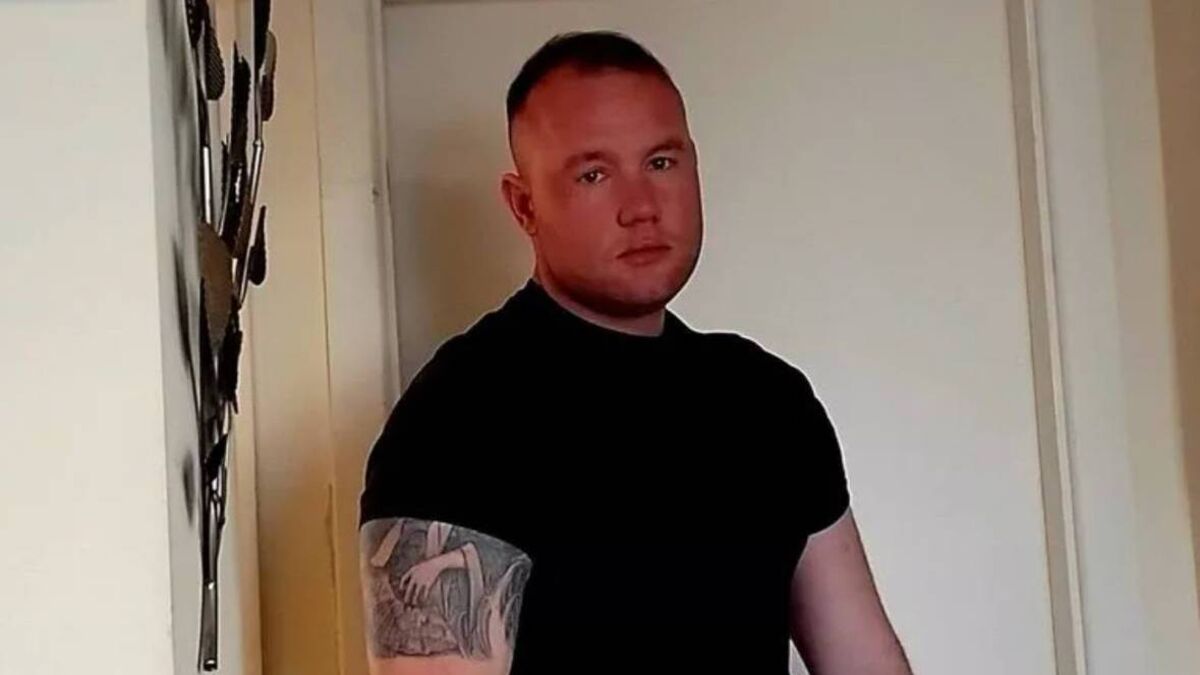
The late Luke Hyde, who died in a drowning incident in the river Lee.
More than a year since the drowning of Luke Hyde in the river Lee, his mother says she will never recover from knowing people filmed his death instead of helping.
Elizabeth Hyde, whose son drowned on April 30 after he got into difficulty while swimming in the River Lee in Cork city, has been advocating for regulations around filming tragedies, since then, but said that over the last 14 months, the government “have done nothing”.
She told : “Luke is gone now, nothing will bring him back and I will never recover from it, but this is for other people."
When she lost her son, she said, there were people along both sides of the river walls. "All they did was video him, they didn’t even throw a life buoy – my son’s death was entertainment.
“My whole life I prayed for Mary to protect my children, and when it happened, the only thing that brings me any comfort is imagining Mary at the bottom of the river with her arms out for Luke.”
Ms Hyde said videos were posted everywhere around the world.
“I saw one graphic video of my son’s body being taken out from the river, put into a boat, and his legs dangling out – it was horrific.”
Ms Hyde says she has been “ignored” by the government since.
A Bill, proposed by Labour TD Duncan Smith in 2022, was not opposed by government, but justice minister Jim O’Callaghan said in May 2025 that “a number of complex legal and constitutional questions remain”.
Sinn Féin’s Michelle Gould proposed at Monday night’s Cork City Council meeting that the council could have a role to play, asking for bylaws to prevent the filming of tragic, or sensitive, incidents in the city.
Rebecca Loughry, the council’s director of Corporate, Community and Cultural Affairs, said that Cork City Council has no regulatory or enforcement powers in relation to filming, and that the area “is fraught with legal ambiguity and ethical issues”.
She said that according to the Data Protection Commission, people can take photos in a public place, provided they are not harassing anyone, or unless the photographs are used for commercial gain.
Ms Loughry said that the key issue appears to be whether a level of harassment is involved, and “that is a matter for Gardai to determine, and if relevant, to enforce.







 App?
App?


