Infrastructure can't cope with more houses, say residents of Cork village
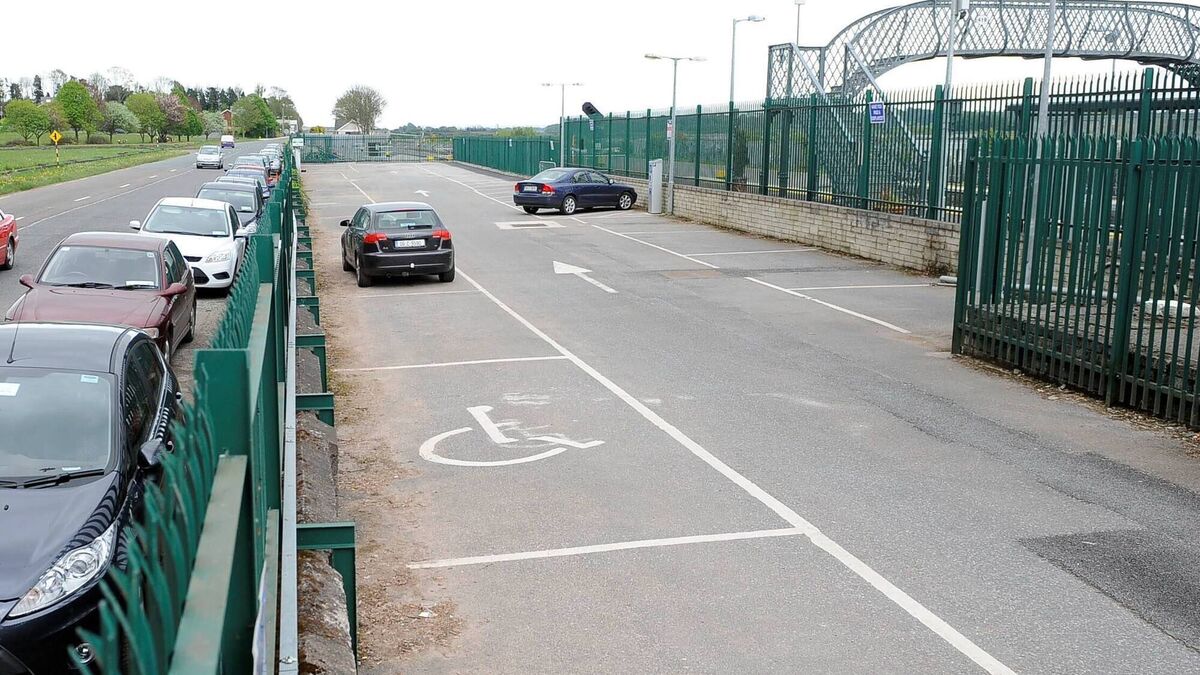
Parts of the village are being used as a day-long car park for outsiders catching the train into Cork city.
Villagers of a village on the eastern outskirts of Cork city have warned their already creaking infrastructure cannot possibly cope with the development of a further 1,000 homes earmarked for the area.
Glounthaune has a poor roads infrastructure, an already full national school and two creches at capacity. It also has lost its post office and pharmacy, has no medical centre for an increasingly aging population.
Parts of it are being used as a day-long car park for outsiders catching the train into Cork city.
Read More
Members of the local community association have warned that what they’re facing is unsustainable development, as many of the roads in the area are dangerous, and little more than boreens.
Jill McNamara, a retired senior official with the CSO (Central Statistics Office), was elected chairwoman of Glounthaune Community Council 10 years.
She said she fears for the future of the area as several thousand more people will move into it without the infrastructure and social supports they will need.
Glounthaune supposed to be a ‘model village’ built in 1810 by a then Sheriff of Cork and dubbed ‘New Glanmire’.
Little infrastructure changes have been added since that time, apart from the reopening of the railway connection to Midleton.
The only recent major piece of infrastructural development in the area has been the construction of a cycleway/walkway along the L3004. Not so long ago that was part of the N25 main road between Cork and Midleton.
There are no proper footpath linkages to a number of the housing estates, which are nearly all on hilly ground.
“We have no community pitches, basketball courts or secondary school, no bank, no proper family resource centre, no cultural space or a library,” Ms McNamara said.
Clara Connolly, who manages the small community centre, has lived in the village for 25 years and witnessed many accidents in the village in recent years. She is concerned the frequency and seriousness of them will worsen as the number of vehicles increases in line with new housing developments.
Both she and Ms McNamara are particularly concerned about the junction at the church, which they say is dangerous as it not only connects roads, but the cycleway also runs across it.
They said that many local car owners are taking detours to avoid this area.
The community centre, which is an old school, is a vital hub for villagers, but it has just two rooms and won’t be able to add any additional activities for an increasing population.
If locals want to go to the bank, post office and the large retail units in nearby Little Island they wouldn’t want to do it at peak hours as it is one of the most industrialised centres outside of Dublin with nearly 13,000 workers accessing it daily.
“At peak time it could take somebody more than an hour to drive the short distance there and back to Glounthaune. The traffic is mayhem there,” Ms McNamara said.






 App?
App?


