Cork 'boil water notices' have doubled in a year
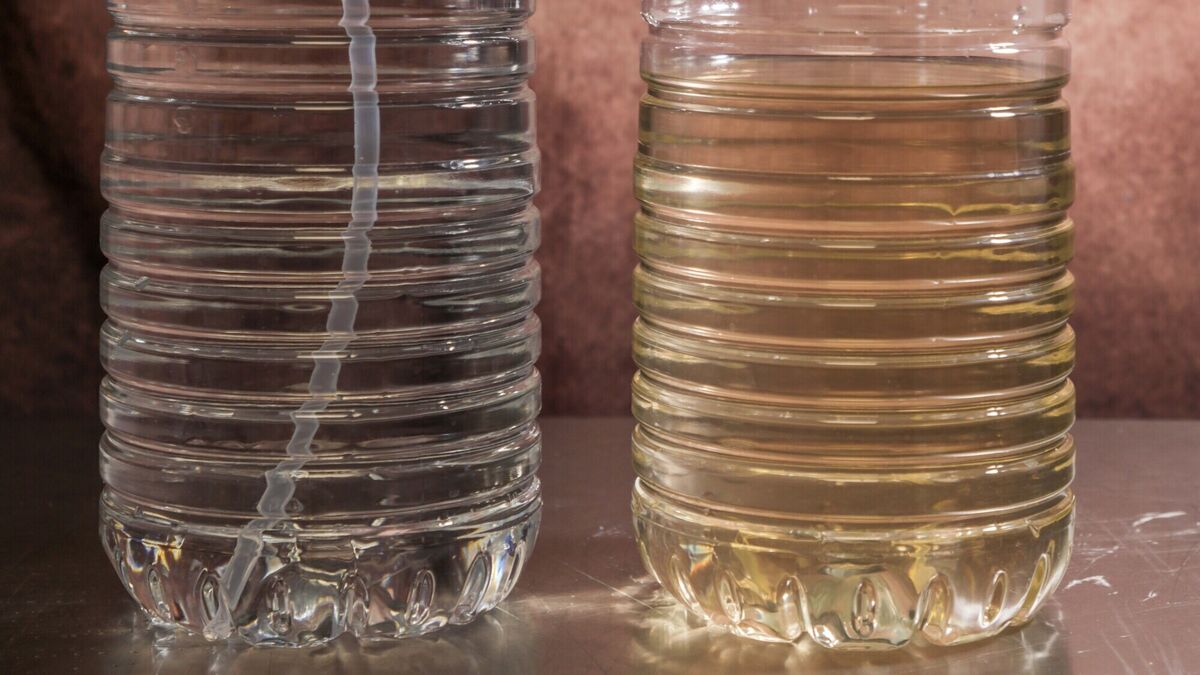
The largest boil water notice, at Whitegate, affected 9,011 people from October 2023 to August 2025, with 'turbidity', meaning cloudiness, listed as the reason. Stock picture: David Creedon
The amount of boil water notices issued in Cork almost doubled last year compared to 2024, with more than 14,000 people affected.
Boil water notices are issued by Uisce Éireann in consultation with the HSE whenever there is a potential risk to drinking water quality, and 2025 saw notices issued over ecoli, coliforms bacteria, inadequate disinfection and discoloration.
Data in the Environmental Protection Agency (EPA)’s drinking water report shows that in total, 14,134 people were affected by nine boil water notices in Cork last year, an increase from 13,220 across four notices last year.
The largest boil water notice, at Whitegate, affected 9,011 people from October 2023 to August 2025, with 'turbidity', meaning cloudiness, listed as the reason.
There were also 4,697 people affected by a notice in Macroom that was in place for two weeks in September, also due to turbidity, while two further notices in Macroom due to turbidity were also lifted during the year.
A boil water notice in the Cullen area, near Duhallow, related to ecoli, was in place for a week at the end of June and beginning of July.
One was in place at the start of October in Knockanevin, near the Limerick border, due to inadequate disinfection contact time, meaning disinfectant was not left in water long enough to sanitise it.
There was also a boil water notice issued for the Cork city water supply due to coliform bacteria, which was still in place at the end of 2025.
Also still in place were a boil water notice in Kilmanger, near Fermoy, due to turbidity, and one in Carrigcleena, near Mallow, due to inadequate disinfection contact time.
Other water restrictions were also issued in Coolineagh near Coachford, Knockearagh near the Limerick border and Stagmount near Rockchapel for elevated nitrate, iron and manganese respectively, and none were lifted in 2025.
Also still in place at the end of the year were two notices related to low water levels – one in Dursey Island issued in 2024 and one in Whiddy Island issued in 2022.
The report also notes areas on the Remedial Action List (RAL) at the end of 2025, which includes six in Cork, with 53,677 people impacted.
A upgrade of the wastewater treatment plant is needed in Glashaboy, Macroom, Whiddy Island and Whitegate – these issues are set to be addressed this year, after being added to the RAL in 2020, 2021 or 2022.
Filtration to remove organic material from water in Castletownbere is also on the RAL – it was added in 2021 and is not set to be done until 2029, while installation of UV disinfectant in Newmarket, identified on the RAL in 2023, is set to be addressed in 2027.
An Uisce Éireann spokesperson said that they are progressing improvement programmes in all six RAL areas, adding that it can take several years for a project to progress as they are prioritised alongside other national infrastructure needs and delivered through investment cycles.
They added that all nine boil water notices issued last year have now been lifted, which is only done once water "consistently demonstrates compliance" with standards.
Boil water notices currently active in Cork include one affecting 100 people in Ballyshoneen near Ballincollig since May, one in Courtbrack near Blarney affecting 396 people since January, and one in Skibbereen affecting 8,125 people, issued last month.








 App?
App?


