Rise in demand for drug treatment in Cork
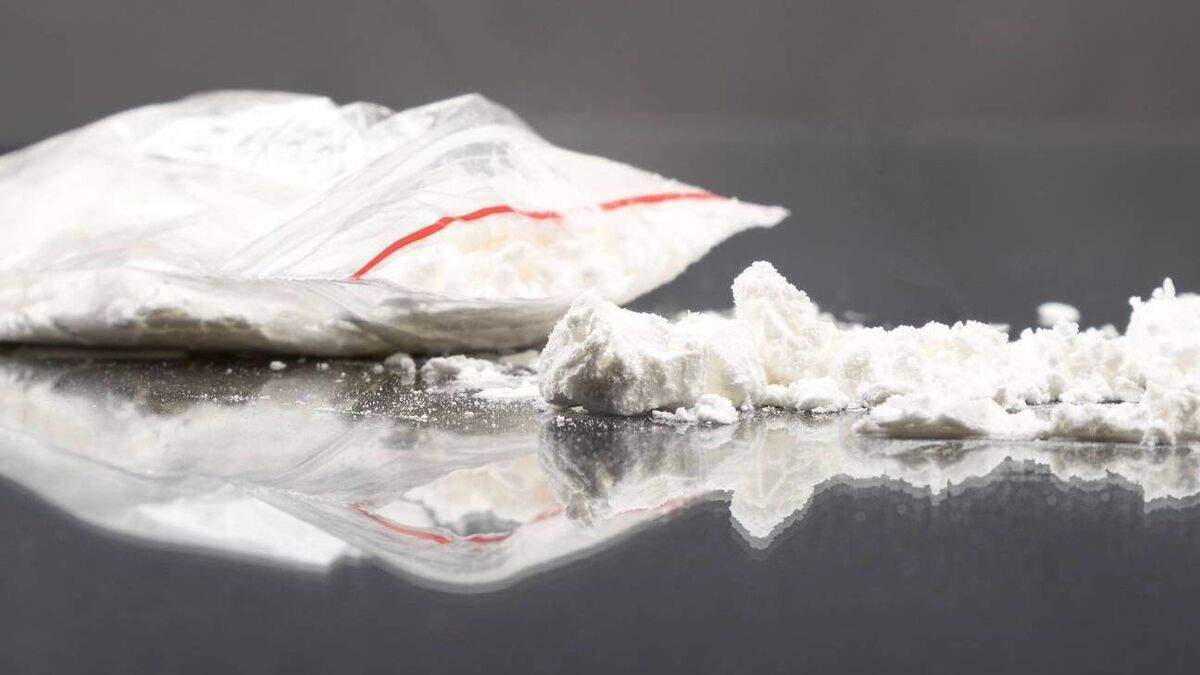
Cocaine remains Ireland’s most commonly treated drug — excluding alcohol — accounting for 42% of all drug-treatment cases.
Demand for drug treatment in Cork rose by 14% last year, with national figures showing a significant increase in cocaine use.
According to the latest figures from the Health Research Board (HRB), there were 902 new cases treated for problem drug use in Cork in 2025, up from 793 in 2024.
The Cork figures represent a 14% year-on-year increase and come amid a 16% rise nationally.
Nationwide, the HRB recorded 15,422 cases last year, up from 13,295 in 2024.
Read More
In-depth analysis of figures for Cork will not be available until later in the year, but nationally cocaine remains Ireland’s most commonly treated drug — excluding alcohol — accounting for 42% of all drug-treatment cases.
The HRB recorded 6,535 cases of people being treated for cocaine addiction across the country last year, a 24% increase on 2024, and the highest number recorded to date.
In 2025, there were 834 cases treated for addiction to powder cocaine nationally, a 21% increase on 2024, with 412 cases treated for crack cocaine addiction, a 31% increase.
Cocaine also remains the main problem drug for 51% of people who are new to treatment, and accounted for more than one in three of the 3,421 people seen in 2025 who had previously been treated.
Treatment demand for new psychoactive substances was up 50% in 2025, from 170 cases in 2024 to 256 last year.
Stella O’Sullivan, chief executive of the Cork-based addiction treatment provider Tabor Group, said the HRB figures are concerning.
“Tabor Group has observed many of the trends highlighted in the latest HRB report emerging across our services over a number of years, particularly in relation to cocaine use, poly-drug use, increasing complexity of presentations, and changing demographics,” she said.
“While the HRB reports cocaine as the main drug for 40% of treatment cases nationally, Tabor Group had identified a significant rise in cocaine-related presentations as far back as 2017, when we reported cocaine use among clients had almost trebled.”
Ms O’Sullivan said the organisation has also seen growing levels of crack cocaine use, dual diagnosis, trauma, repeat treatment episodes, and mental health challenges, which, she said, reflected the increasingly complex nature of addiction in Ireland today.
“In addition, we have identified rising presentations among younger adults, women, and people from a broader range of social and professional backgrounds, highlighting how addiction continues to affect individuals and families across all communities,” she said.
“While alcohol remains a significant issue, Tabor Group’s frontline experience suggests cocaine and poly-drug use have become increasingly dominant within more complex treatment settings, closely mirroring and in some areas anticipating the national trends now confirmed by the HRB.”
HRB chief executive Gráinne Gorman said while the report was a further indication of the continued dominance of cocaine use in Irish society, it also represented increased investment in publicly funded drug treatment services, meaning they are available to more people that are struggling with problem drug use.
“Furthermore, our report shows the emergence of some new trends, with rising treatment rates for new psychoactive substances and ketamine,” she said.
“This robust HRB data is essential for evidence-based policy and service planning now and into the future.”






 App?
App?


