Incidents of stroke putting significiant pressure on Irish health system, Cork survey says
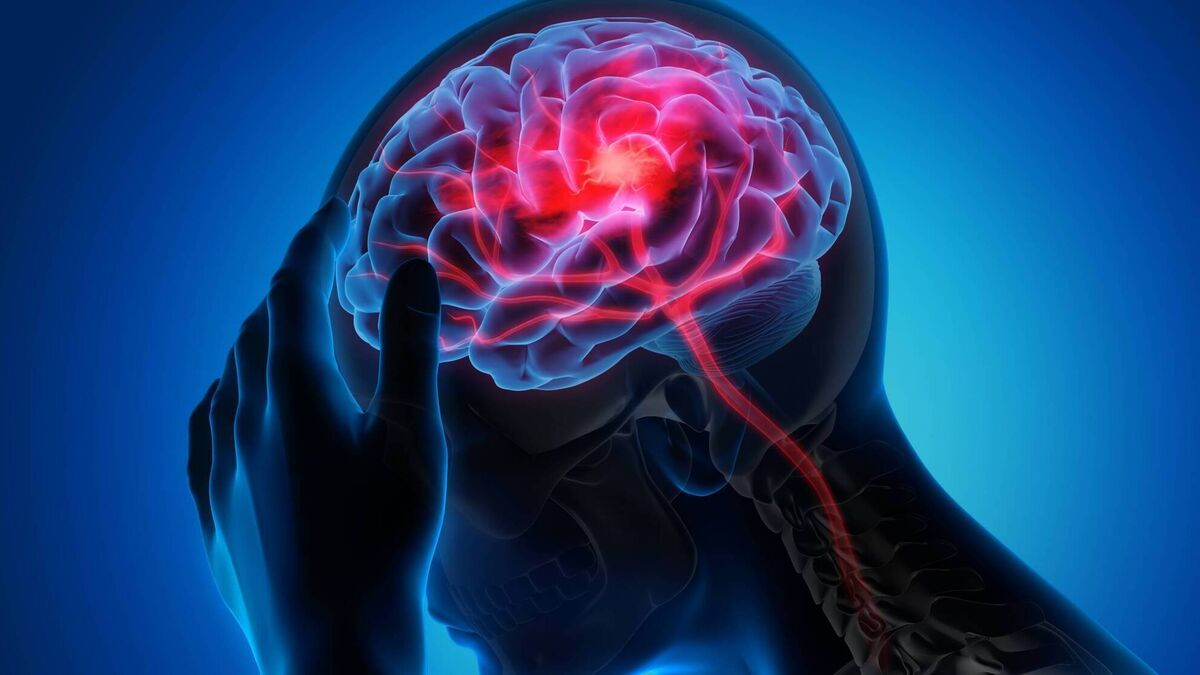
It is further estimated that stroke may account for up to 4% of healthcare costs. File image.
The number of people affected by stroke in Ireland is putting “significant strain” on the country’s health system, and new cases could rise by up to 59% in the next 20 years, according to a report published by a Cork-based organisation.
Cork Stroke Support in Blackrock has also made an urgent call for greater investment into local rehabilitation services following the publication of its latest research study.
The study, undertaken in conjunction with Rethink Ireland, highlighted the importance of exercise in stroke recovery, leading to the call for increased services across the region and the availability of online exercise resources and community partnerships.
To compile the report, both organisation's collectively set up a moderate-intensity exercise programme, which provided group exercise classes with stroke survivors for seven weeks.
The class concentrated on upper and lower limb strengthening, balance exercises, and aerobic conditioning.
According to the report, which was launched a recent event at the centre on the Bessboro Rd, 82% of participants rated the class as ‘excellent’, 89% said their confidence improved, 100% said they felt a sense of community or belonging, and 96% said they felt stronger.
The report also revealed that strokes are a leading cause of disability, with an estimated 30,000 to 60,000 people living with stroke-related disabilities in Ireland.
Further, the organisation has said that the number of people affected by strokes is putting “significant strain” on the country’s health system, with research predicting that new cases of stroke could rise by up to 59% in the next 20 years.
It is further estimated that stroke may account for up to 4% of healthcare costs.
The physiotherapy lead at Cork Stroke Support, Sarah Slattery, who runs the only dedicated gym for stroke survivors in Munster, said the results of the programme show both “clinical and statistically significant changes across all three domains of balance, fitness and strength”.
said Ms Slattery.
“The cost benefit, to the state and HSE, of keeping stroke survivors off the floor, out of A&E and out-patient clinics, and in their homes living independently as long as possible, cannot be understated.”
Mark Exshaw, who was a participant in the programme said he started exercising at the gym at Cork Stroke Support under the guidance of Ms Slattery, and that his life “has changed dramatically since then”.
“I am now confident about taking on everyday activities and the exercise group gives me great social interaction and support every week,” said Mr Exshaw.



 App?
App?


