Cork County Council looking at natural solutions to stabilise coastal erosion
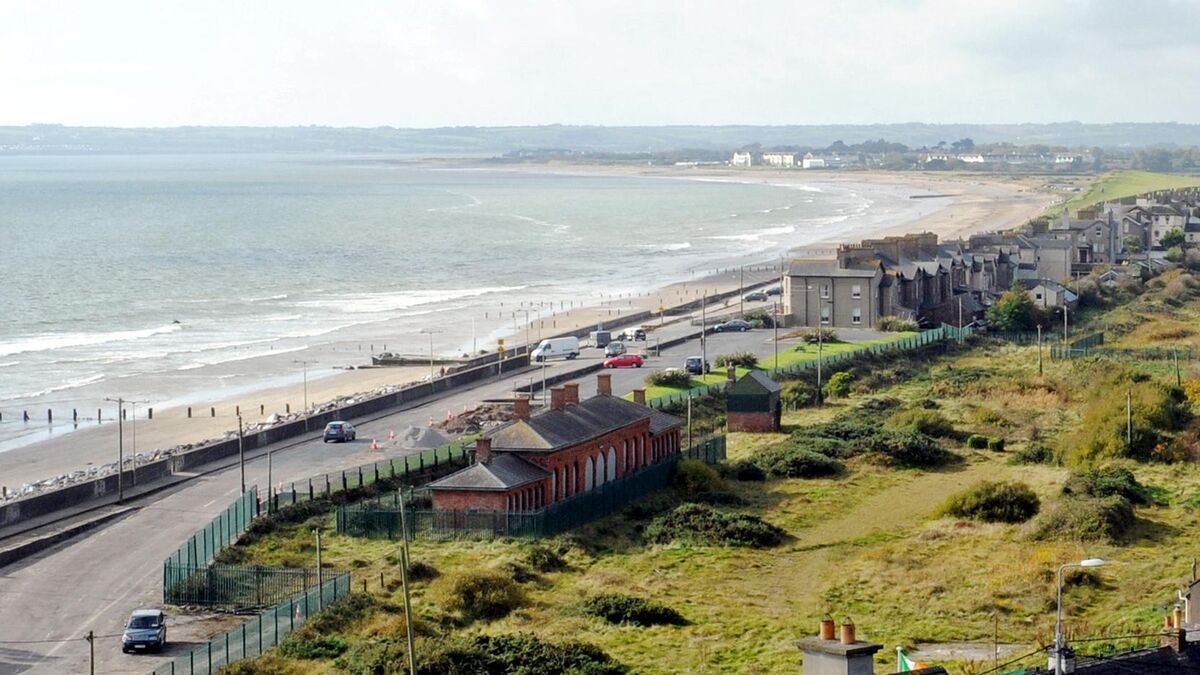
Experts from UCC are currently undertaking a coastal erosion risk analysis report from Youghal Front Strand (above) to Claycastle, Redbarn, Pilmore Cottages, and Ring.
Cork County Council is looking at building groynes and using natural solutions like installing Marram Grass to stabilise sand dunes under plans to tackle significant coastal erosion.
There is 1,118km of coastline in the county, making it the longest of any county in Ireland. Of that 422km is considered soft coastline described as vulnerable as it’s made up of beaches, mudflats and soil cliffs.
The council is currently awaiting an imminent risk analysis report by experts at University College Cork on a 10km study area from Youghal Front Strand to Claycastle, Redbarn, Pilmore Cottages, and Ring.
The UCC team is also monitoring at coastal areas at Owenahincha, Inchydoney, Garretstown and Garylucas, while the council is monitoring at the Warren and Long Strand beaches in West Cork.
Assistant council chief executive Sharon Corcoran the authority would seek funding from the Office of Public Works (OPW) for the installation of groynes in certain locations. Groynes are normally wooden structures built perpendicularly from the shore stretching out into the sea, to protect a beach and the coastline from erosion,
Ms Corcoran announced the move after amotion from East Cork-based Fianna Fáil councillor Patrick Mulcahy, who outlined how experts said they prevented sand being blown away, which leads to coastal erosion.
Urgent need
“There’s an urgent and growing threat to communities all along the Cork coastline. From Youghal to Crosshaven, from Ballycotton to Castletownbere, we are seeing the same pattern.
“A change in our weather patterns seeing more concentrated rain in shorter periods of time and longer drier hotter spells, the ever increasingly powerful wave action around our coastline, the accelerated erosion of land banks, and real risk to homes, roads, and vital local amenities in our communities,” Mr Mulcahy said.
He pointed out that in the late 1800’s, a coastal engineer by the name of Rowland Allanson Winn often built low timber groynes in Ireland, including Youghal, where many of them have now eroded away.
“Groynes are a proven, low-cost measure used around the world to reduce wave energy and slow the erosion of valuable land. By disrupting long shore drift and dissipating wave force, they help stabilise beaches, protect land banks, and safeguard nearby properties,” Mr Mulcahy said.
Marram Grass
Fine Gael councillor Maire O’Sullivan said Marram Grass can play an important role in stabilising sand dunes and reducing the movement of sand inland, and was told the council would also look at this natural method solution.
“At beaches such as Garretstown and Garrylucas, the local area office regularly has to deploy machinery to clear sand from the road. Measures that help stabilise dunes and reduce sand drift would therefore be beneficial, potentially reducing maintenance costs while also protecting the coastline,” she said.
Fianna Fáil councillor Gillian Coughlan said tackling coastal erosion “will need huge funding” and the government and EU must provide it.
Fine Gael councillor Anthony Barry said action is urgently needed as beaches between Youghal and Garryvoe “are being stripped away” of sand.
His party colleague Sinéad Sheppard said a former swimming amenity at Battery Strand, Cobh has been closed off for several years due to landslide risks caused by coastal erosion.
Keep up-to-date with the top stories in Cork with our daily newsletter straight to your inbox.
Please click here for our privacy statement.
Have you downloaded your FREE
App?

It's all about Cork!
Add Echolive.ie to your home screen - easy access to Cork news, views, sport and more