‘Vicious cycle’ of addiction and homelessness difficult to break, says Cork Simon team leader
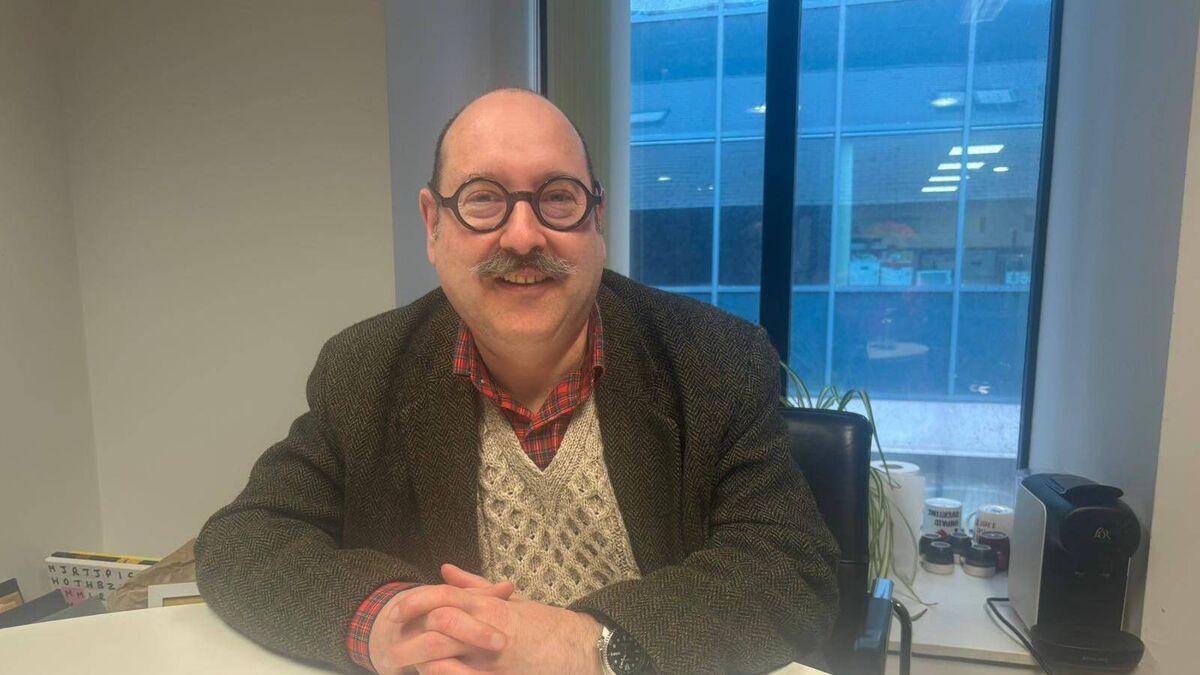
Cork Simon’s Maz Jeunet, a team leader in recovery focused housing, says part of his job is to understand the interplay between addiction and homelessness.
Homelessness and addiction are often linked, but do people become homeless because of addiction, or addicts because of homelessness?
Both, and it’s “a vicious cycle”, said Cork Simon’s Max Jeunet.
Cork addiction treatment centres say their beds and step-down housing are being “blocked” as staff clamour to prevent service users going in to homelessness after leaving treatment. And with the housing crisis there is less affordable rental accommodation.
Mr Jeunet, team leader in recovery focused housing and supports with Simon, said that, “for the most part”, people in emergency services have addiction issues and the stress of homelessness feeds in to that.
“The trauma of homelessness isn’t just sleeping rough,” Mr Jeunet said.
“It’s being witness or victim to physical violence; women are at risk of sexual abuse; there’s the shame and stigma involved with it. There’s hunger: It’s about survival. People find themselves doing things they wouldn’t have done before.”
“It’s very difficult for people in homeless shelters even not to smoke cigarettes. Some people come to emergency services with an addiction, and we would see people who would have been recently exposed to heroin, without having had an experience of using heroin before they became homeless.
“Part of our role in Cork Simon is to understand how homelessness and addiction play on one another, and the impact that can have.”
Treatment
Cork Simon has an addiction treatment and aftercare worker for addicts who want to recover. “People either self-refer or are referred to them by outreach or a key worker, or from other emergency shelters.
“At that level, it’s basically an assessment and co-ordination to get the person in to treatment,” he said.
However, there are barriers even just to this first step.
“Whether entry in to treatment is successful or not depends on a number of factors, such as the person’s willingness or ability to work towards it,” said Mr Jeunet.
Some addiction treatment centres do not have a detox facility, so to attend treatment there an addict must have been sober from all substances for a set period of time. There can be medical consequences to detoxing cold turkey.
“The use of drugs has changed over the years,” Mr Jeunet said.
“We see less people using heroin and more people using crack cocaine. Some treatment centres will expect a certain level of stability on an opiate substitution programme, but if somebody is not using heroin, they can’t enter that detox programme. There is no equivalent for crack cocaine.”
Service users benefit from engaging with group work through treatment centres or addiction support hubs, but Mr Jeunet said “waiting lists are long, they may not get in right away”, and some don’t want to get in.
“The prevalence of anxiety in people in homeless services is such that service users are sometimes reluctant to engage in group work. Work in one-to-one counselling also helps. Cork Simon does provide that in the emergency shelter, but, again, not everybody wants to do that or feels comfortable talking.
Factors
Mr Jeunet said: “There are a lot of factors: The biggest challenge for people getting into recovery is knowing what recovery means. I work with people who thought that if they went into treatment, they would just be fixed, but it doesn’t work that way.
“There is a significant shift in behaviour required. It’s more difficult when you grow up in a family or community where addiction is rife. It’s not just a question of not using anymore. You have to essentially block out or turn your back on a significant social and familial network, if you are serious about getting sober.”
People who have no home may not be able to avoid triggering environments, he said. “Often, if someone has nowhere to go after treatment, they might end up in a bed and breakfast, where there is drug use happening, and, as a result, they find it very difficult to stay in recovery.”
Avoiding people from the past is not always an option.
“For women, especially, they might have been in a relationship in active addiction with someone who was not only using drugs, but supplying them. The women are often tracked down by that former partner.”
But cutting off friends and family often forces people to use homelessness services.
“There are people who come out of treatment, they have the option of going back to the family home, but they’re very reluctant to do that, because of addiction in the family, and, as a result, they may end up homeless.”
Difficult
Deciding to step away from family or friends is difficult.
“To get to that stage, knowing a certain environment is not conducive to their own recovery, particularly if it’s one they grew up in, does take a bit of insight and work,” Mr Jeunet said.
“There is a link between social capital and recovery capital: A service user might have a Junior Certificate and nothing else, while another person has been able to access education to university level. That ability for critical thinking helps with recovery.”
“I know people who have struggled in treatment when they’re asked to keep a journal, because they have literacy issues.”
Even for people who are not homeless, not changing their environment can lead to a return to drinking or taking drugs.
“One service user with a significant history of rough sleeping was in recovery for a small bit. He had a safe place to stay after treatment, but he relapsed because he was working in the construction industry, and he wanted to be like everybody else there. He went back to treatment, but he didn’t stay, and it’s a vicious cycle.”
Balancing act
Mr Jeunet’s job is a balancing act.
Harm reduction is a public health approach to lower the negative health, social, and economic consequences of drug use, without requiring individuals to stop using drugs.
However, given how triggering one person’s drug use can be for another, housing after treatment requires total abstinence. So the consequences of relapse can be a return to homelessness and addiction, and its links to the criminal justice system often keep people in homelessness longer.
Mr Jeunet said social reintegration is not as easy as it sounds.
“Even someone who comes out of treatment and has done quite well, they probably don’t have the landlord references that they would need to rent in the private sector.
“People coming out of treatment and looking for council housing, if they have a history of recorded criminal behaviour, that tends to follow them and make it harder for them.
“There are reasons for that; you’re trying to keep families safe, but it’s a delicate balance,” he said.
“There’s challenges at all levels: We have an aftercare house, but there’s no scope for harm reduction, because it wouldn’t be a safe space for others then.
“It’s a very delicate balancing act, working with people pre-treatment and post-treatment, because you have to realise one person who has relapsed, who is not ready yet to stay in recovery, can have a negative impact on the other people living with them.”
Mr Jeunet said that while there was goodwill at local government level towards helping people in recovery to find social housing, the sector needed more investment.
“I’d like to see more funding be put in to these pathways out of homelessness that are linked with recovery, he said.
“We are under-resourced in our aftercare facilities;the demand exceeds the capacity of services. Our addiction treatment worker is a lone worker. I’m here to support them, but trying to keep up with the demand can be challenging.”
Mr Jeunet called for additional staffing for their service and for other services like it, additional beds for people coming out of treatment, and more collaboration between emergency accommodation service providers and clinical facilities to get people into detox programmes or treatment centres.










 App?
App?


