Cork advocate highlights struggles faced by lone-parent migrant families
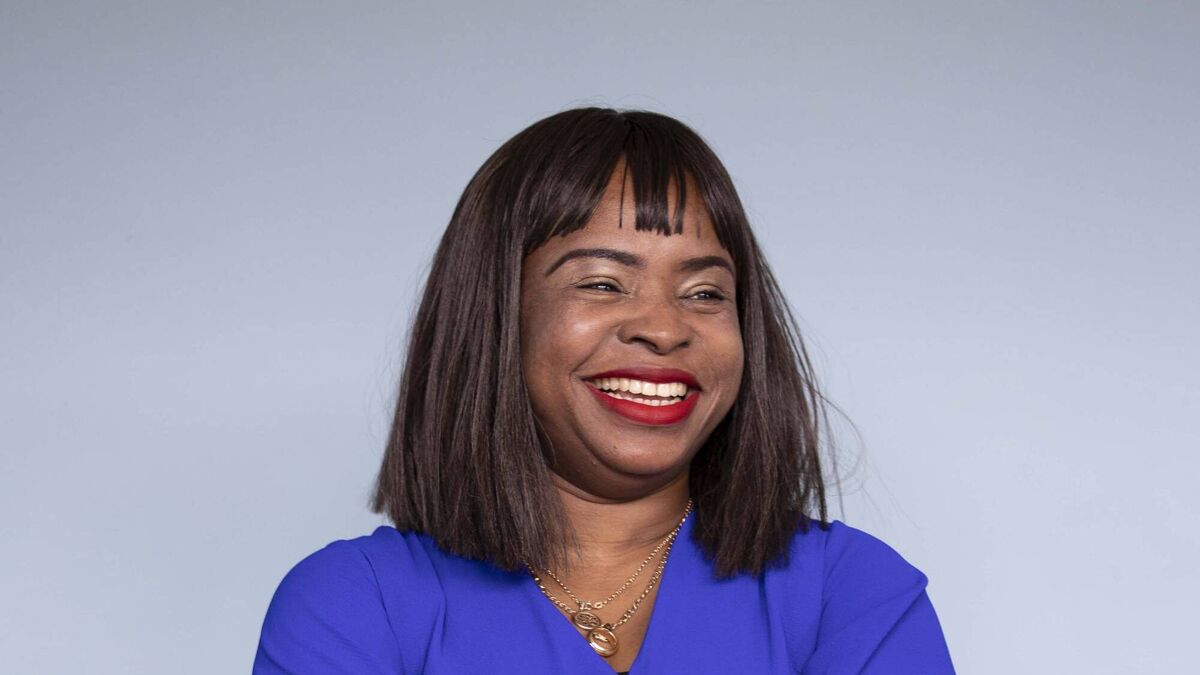
Cork-based migrant rights advocate Deborah Oniah, co-author of new research published by ActionAid Ireland.
Lone-parent migrant families with legal status in Ireland are being forced to leave direct provision and their communities, with no realistic way of securing housing.
That’s one of the findings of new research published by ActionAid Ireland, co-authored by Cork-based migrant rights advocate Deborah Oniah.
Ms Oniah was one of six women who led the peer research, which documents how lone parents — largely women — face discrimination, unaffordable rents and inadequate supports that leave families effectively trapped between direct provision and homelessness.
Reality
Ms Oniah told The Echo that the findings of the study reinforced her own experiences.
“Speaking for myself, you get really excited when you get your papers, thinking ‘once I get them, I am going to find a house’. You want to move on with your life, integrate in the community, but you face a reality that it is not that easy to find a house.
“We know there’s a housing crisis in Ireland, but the barriers are worse when you’re a single mum and a person of colour. You’re judged before you even go to a viewing, the decision has already been made,” said Ms Oniah.
“They think you can’t afford the rent. One woman that we spoke to in the research was told by a landlord that he thought she would bring a lot of men to the house because she’s a single mother.
“As mothers, our number one priority is our children and their survival, being able to bring enough money into the home, take care of your mental health because we have often come through trauma. You want to heal, you want to breathe – the priority is not men,” she added.
“Once you leave these centres, you have to navigate life on your own again. Many of us had been in centres for five years, and the people there become like a family — it’s like leaving home again. The system programmes you to be dependent, and you must now learn to be independent.”
Difficult transition
She said they were able to point women towards services like Money Advice and Budgeting Service (MABS) and community centres to help them get support.
“It’s a difficult transition, so integration is so important even while you’re in the centre, because if you don’t have anybody on the outside, then that isolation we feel going into direct provision can replay again.
“For me, it was a really emotional experience doing these interviews. You have to create space for people to cry. It was great to do this research, especially with everything that is happening now with the far right, to see how bravely people embraced the research.”

App?