Birds test negative for bird flu at Cork's Lough
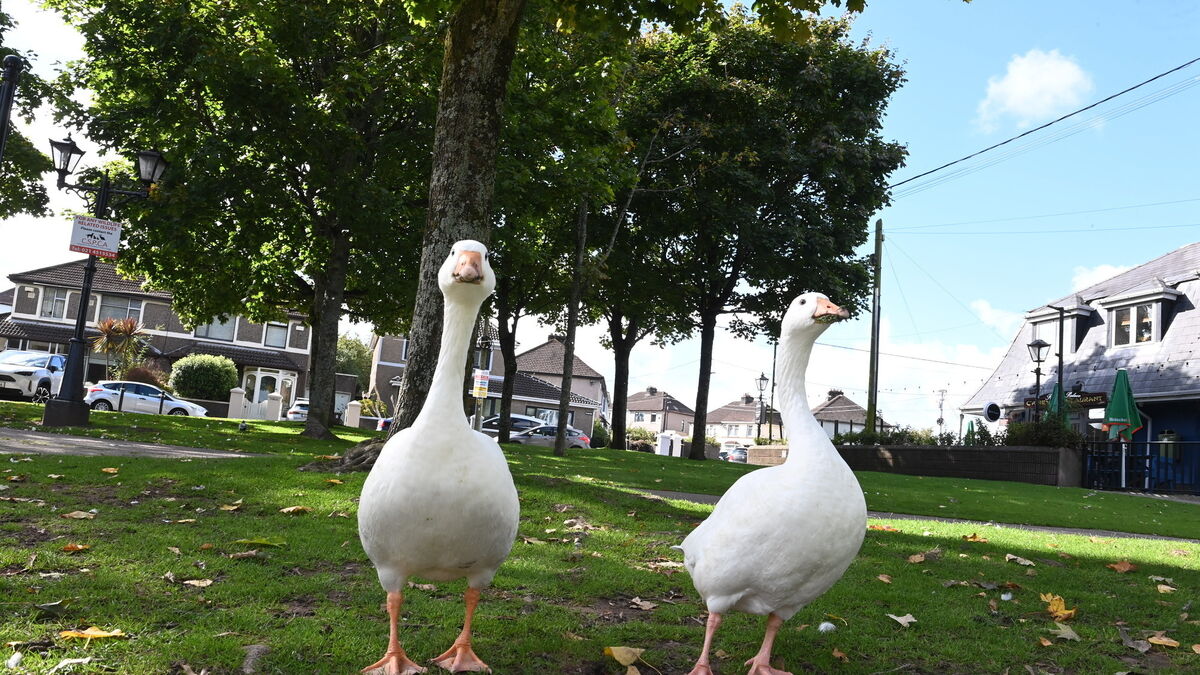
The most recent tests on dead birds found at The Lough for bird flu have returned negative.Picture Larry Cummins
The most recent tests on dead birds found at The Lough for bird flu have returned negative.
However, more testing is underway as more dead birds have been found, with an increase in reports of potential outbreaks across Ireland in recent days.
A Cork City Council spokesperson told The Echo: “Tests on the remains of two dead swans, which were removed from The Lough amenity in Cork city in November, have returned negative for bird flu.
“The last confirmed positive test for low pathogenic bird flu at The Lough wildfowl sanctuary was on September 21.
“However, tests are now being conducted by Department of Agriculture, Food , and the Marine vets on the remains of a coot and a moorhen which were recovered from the area last week. It will be several days before the results of these tests are known.”
The spokesperson added that biosecurity measures, which were introduced at The Lough in September following the first confirmed case of bird flu there, remain in place.
People visiting the area are still being advised to avoid contact with sick or dead wild birds. A temporary ban on fishing at The Lough remains in place, and the bird feeder remains out of action.
The spokesperson said the council thanked people “for their continued co-operation”.
Meanwhile, the council said the H5N1 strain is currently circulating in wild birds — especially in breeding seabirds around Ireland.
“There has been a marked increase in the number of reports of sick and dead wild birds to the [Department of Agriculture, Food, and the Marine] in recent days,” it said.
A spokesperson for Fota Wildlife Park, which has been closed since mid-October due to the presence of bird flu there, told The Echo that the park remains closed, but that an update on the situation will hopefully be forthcoming early next week.
Fianna Fáil TD and minister of state Christopher O’Sullivan told The Echo: “There’s emerging evidence unfortunately that bird flu is surviving the winter months, which is concerning from both a poultry farming point of view but also from a wild bird point of view.
“It’s something that the National Parks and Wildlife Service is certainly monitoring.
“We will be looking very closely at our breeding populations of wild birds as they start to nest in March, April, and May, to monitor for evidence of bird flu.
“I would urge people to abide by the department’s advice in terms of poultry and encountering birds in the wild, and to report any sightings to the recommended helpline.”

App?