Nostalgia: Forty years ago, Cork celebrated its 800th
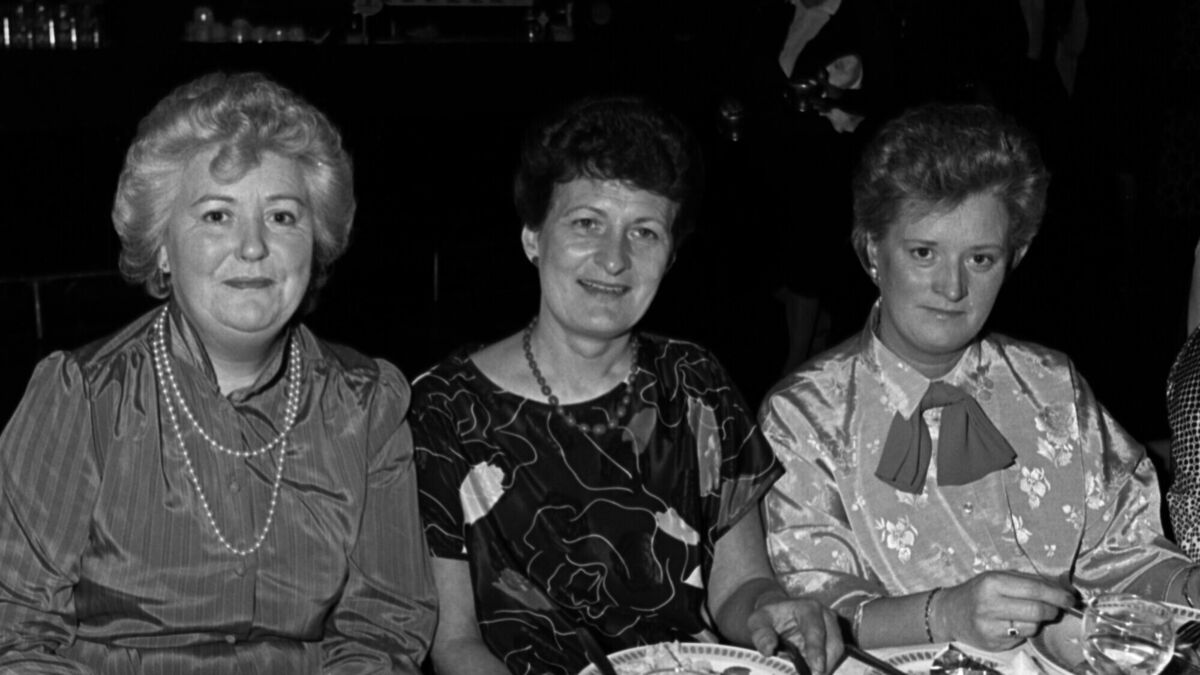
Kathleen O'Brien, Ellen Punch, and Nuala Foley from Mayfield at the Cork 800 Ladies' GAA night at the Metropole Hotel, November 1985. Picture: Maurice O'Mahony.
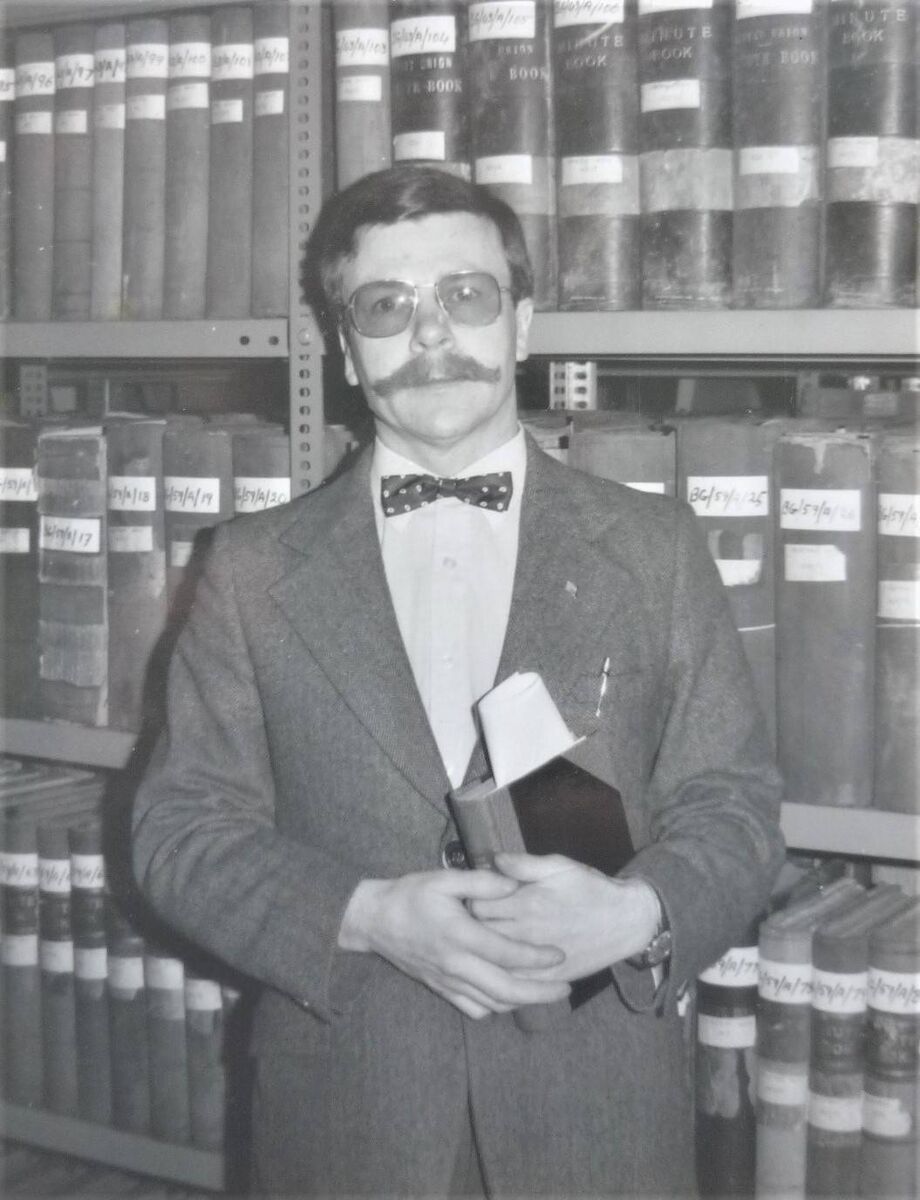
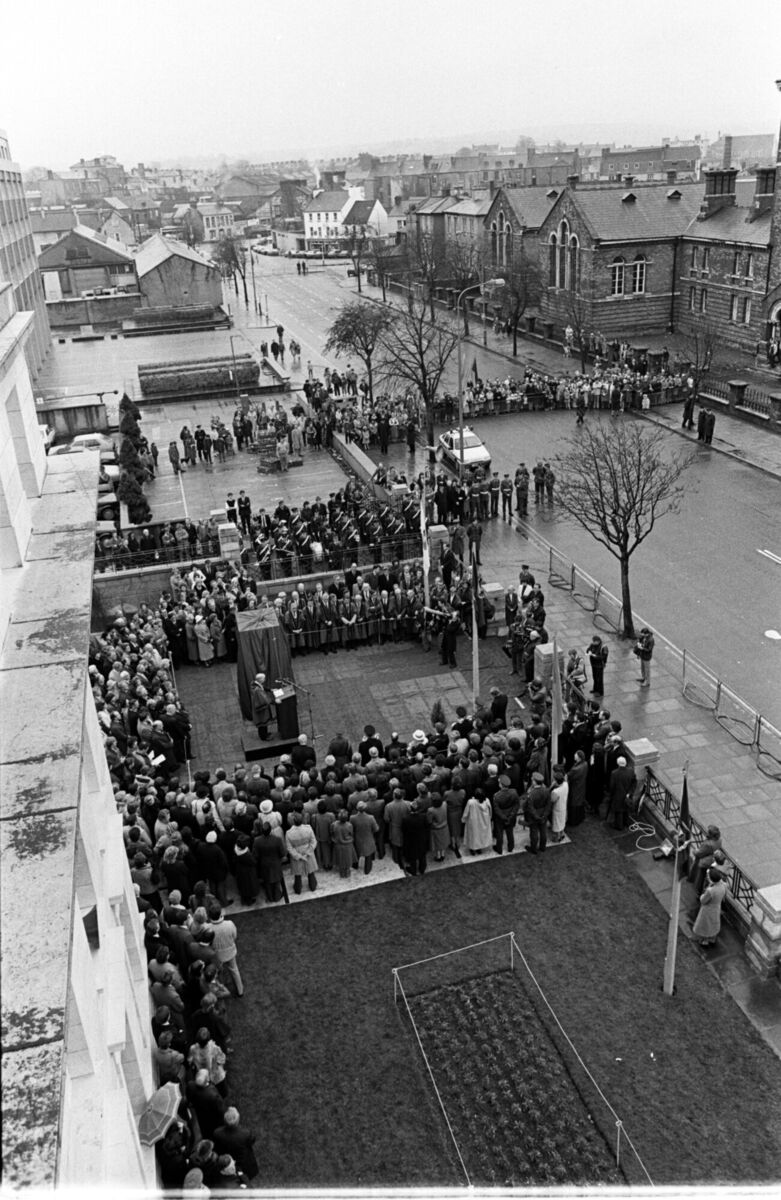
WHAT was then Ireland’s largest-ever public festival was launched at City Hall in Cork on Tuesday, January 1, 1985, as the city began a year-long celebration of the 800th anniversary of the granting of its first charter.
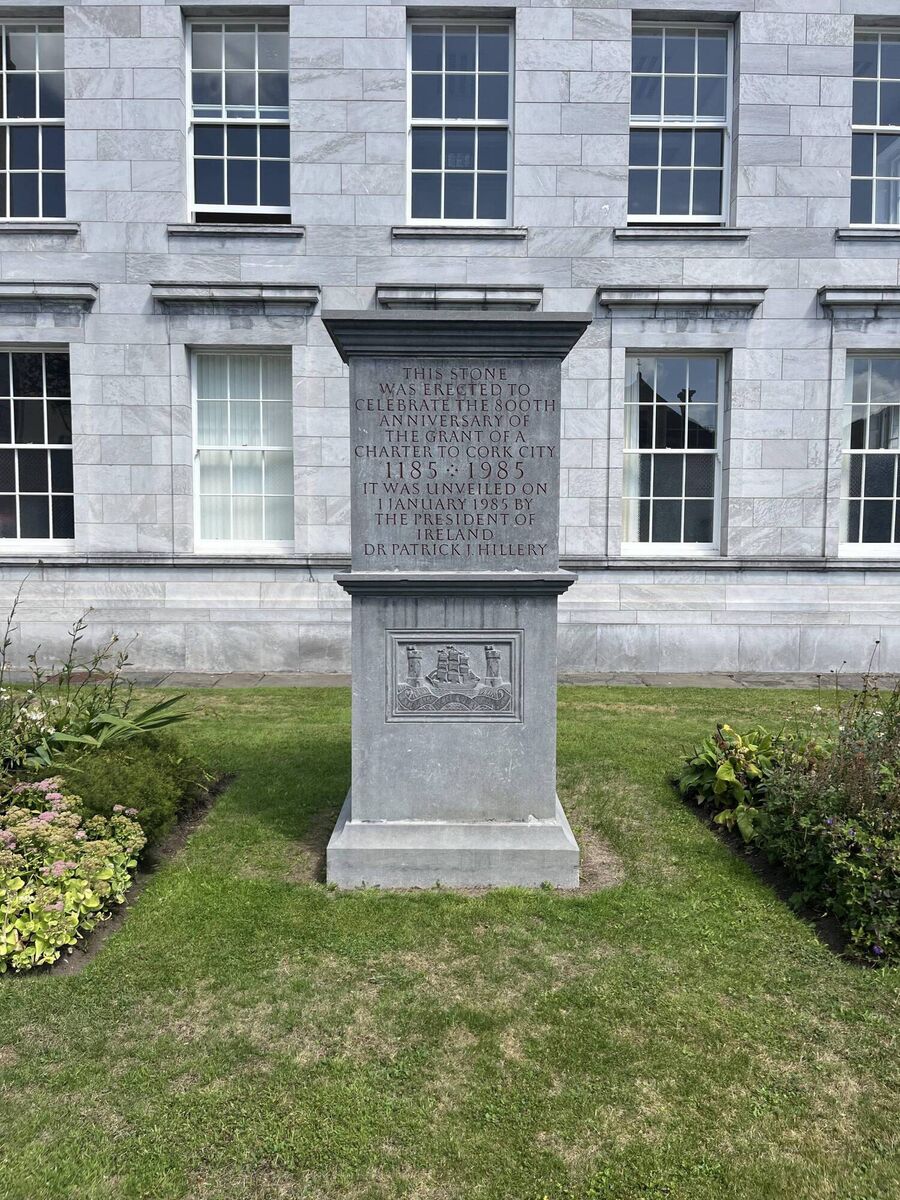
Then president Patrick Hillery was in town to launch Cork 800, and he unveiled the commemorative stone that stands outside City Hall to this day.
No Evening Echo was published on New Year’s Day, so the then Cork Examiner got to be first with the news the next morning, but, perhaps fittingly, the young journalist who wrote the report was Maurice Gubbins, who would go on to edit this newspaper for many years.
The events started, he noted, when the band of the Southern Command struck up The Boys of Fair Hill as Mr Hillery inspected an FCA guard of honour outside City Hall.
“The president called for courage and confidence, and hopes were high among the distinguished gathering of civic and religious leaders, who attended the ceremony, that the great event would signal a revival in an area which has been devastated by economic body blows in recent times,” Mr Gubbins wrote.
There was no need to remind contemporary readers that the Dunlop plant had closed in September of 1983, with the loss of 680 jobs, and that the Ford factory, for generations the city’s largest employer, had closed its doors in July of 1984, costing Cork 800 jobs.
The lord mayor, Liam Burke, who was also Fine Gael TD for Cork North Central in those days, before the ban on the dual mandate, urged citizens to renew their patriotism, “not in any nationalistic sense, but in its true meaning: That we should love our home, our community, our city, and our country.”

Among those in attendance were TJ McHugh, city manager, freemen of Cork, former taoiseach Jack Lynch, Professor Aloys Fleischmann, and Bishops John Buckley and Samuel Poyntz.
The dignitaries were treated to mulled wine that new year’s morning, and Cork’s traditional dish, tripe and drisheen, and their reaction, Mr Gubbins reported, “was little short of ecstatic”.
The president and Mrs Hillery, he wrote, “managed to overcome any reservations they may have had about eating cow’s belly and congealed pigs’ blood”.
There was, however, “a note of harsh reality”, as unemployed people picketed the event, and “a small emergency … when it was discovered that nine of the special flags which had been flying in the grounds had been stolen during the night. They were replaced before the formalities got under way.”
The year would see multiple celebrations, with the then Cork Corporation seizing upon a golden opportunity to showcase the city as somewhere that was open for business and anxious to seize upon every chance to advance itself.
The Patrick’s Day Parade, on March 17, was noted as one of the best the city had ever seen, with the air corps honouring the city with a flypast.
Several Cork 800 events occurred in April 1985, perhaps because, with the city’s original charter long since lost to antiquity, there are very few certainties about the granting of that charter, but it is known that England’s Prince John signed it at some time during his disastrous visit to Ireland, which began in Waterford in April 1185.

On Tuesday, April 8, the fourth Adidas Cork City Marathon attracted 1,100 runners, and it was thought that the celebrations boosted the number of participants, with runner getting a branded t-shirt, and everyone who completed being presented with a plaque bearing the Cork 800 logo.
The front page of the Evening Echo on Tuesday, April 23, 1985 reported a special presentation to the lord mayor by the then governor of the Bank of Ireland, DSA Carroll, of “a silver freedom box made about 1760 by William Reynolds, one of your great craftsmen”.
“It was presented to the right honourable William Crosbie, Lord Baron Brenden.
“Particularly pleasing is the fact that it is accompanied by the original freedom scroll and seal of this city,” Mr Carroll said.
Bank of Ireland had purchased the two-centuries-old box from a private collector in order to present it to the city on the occasion of its board meeting, held in City Hall to mark Cork 800.
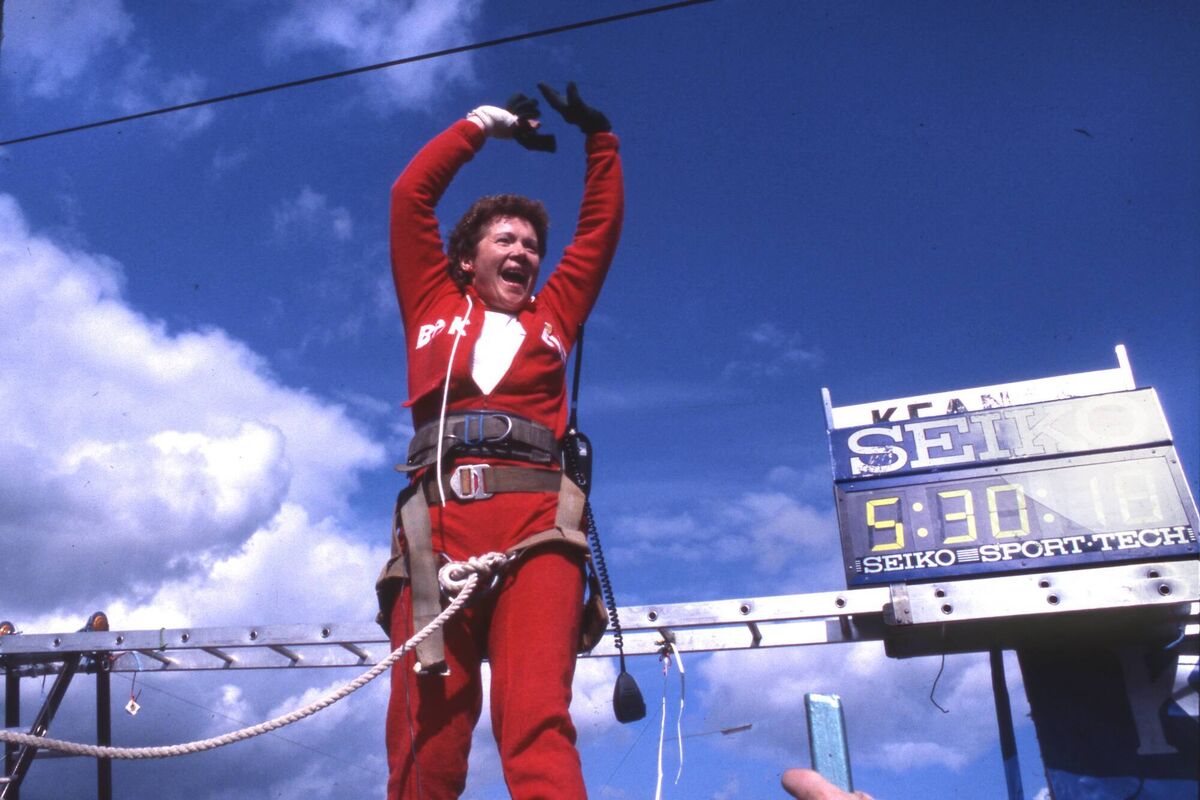
In the summer, Ireland’s first and only female steeplejack, Angela Collins O’Mahony, was invited to climb County Hall, which she later described as a highlight of her career.
In spite of that, if the Cork 800 celebrations had begun in optimism for the year ahead, by the year’s end a note of sourness had crept in to the discourse.
Our November 7 headline read: “Cork 800 criticism rejected.”

The report, by Dan Collins, began: “The Lord Mayor of Cork, Alderman Dan Wallace TD, today said he felt no less of an Irishman for celebrating the anniversary of the granting to the city of a royal charter 800 years ago.
“The Lord Mayor was responding to criticism expressed by the president of Farranferris seminary, Fr Micheál Ó Dáilaigh …”
The council term, then as now, had ended mid-year, and Mr Wallace had succeeded Mr Burke as first citizen. He told the Echo that “neither he nor the majority of councillors were very concerned with the actual granting of the charter 800 years ago.
“What interested them mostly was the fact that the city’s 800th birthday provided a focal point for the promotion of Cork, both culturally and industrially, at home and abroad,” Mr Collins reported.
Fr Ó Dálaigh also expressed unhappiness that the city had not marked the 85th anniversary of the death of Terence MacSwiney, on hunger strike in Brixton Prison in October 1920.

However, Mr Wallace said both Mr MacSwiney and Tomás MacCurtain, who was murdered by the Royal Irish Constabulary in March 1920, were Cork’s most revered lords mayor and had been suitably commemorated in many ways.
The memorial stone commemorating Cork 800 that president Hillery unveiled still stands on the lawn of City Hall, outside the Anglesea St entrance. On its northern side it records the names of the lord mayor, Liam Burke, and the aldermen and councillors of Cork Corporation in the first half of 1985, and, on its southern side, the lord mayor, Danny Wallace, and the aldermen and councillors of the second half of the year, including a young first-timer by the name of Micheál Martin.

App?