Cork TD says use of surveillance in mental health services raises serious concerns
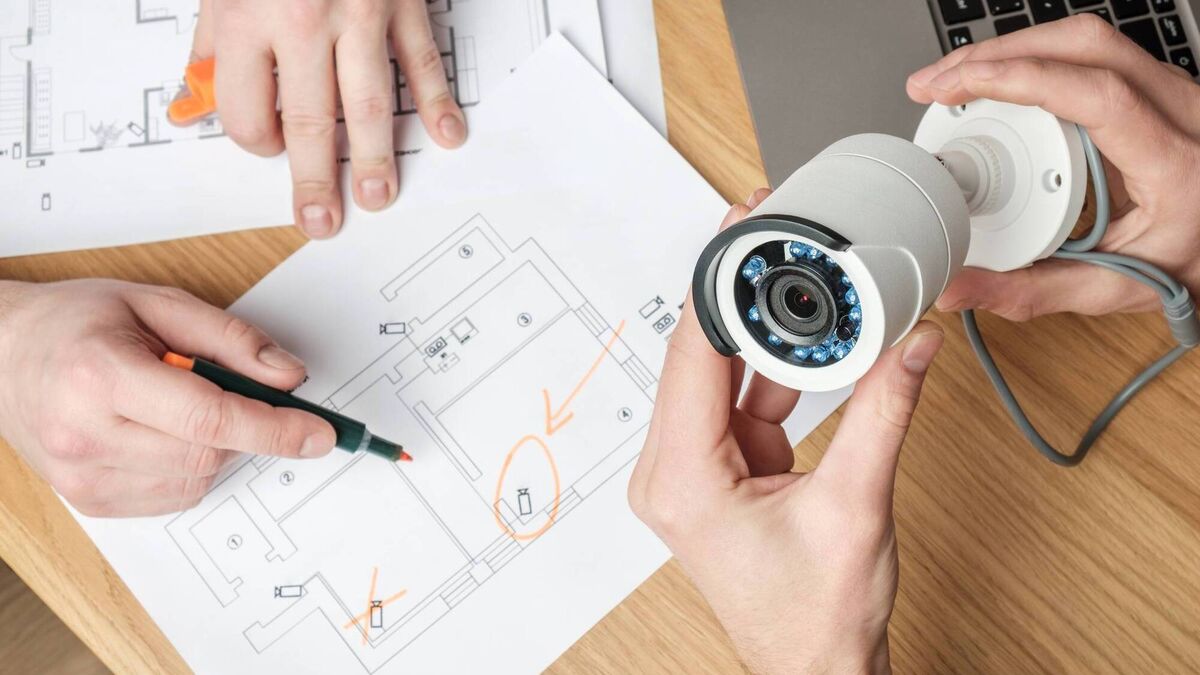
Surveillance in mental health services involves using technology to observe or monitor service users to inform their care and treatment.
Cork TD says use of surveillance in mental health services raises serious concerns

Examples of surveillance technologies include CCTV, body worn cameras, infrared cameras, sensors, alarms, and GPS trackers.

The Mental Health Commission (MHC) are to run a consultation on the use of surveillance in mental health services, however, a Cork TD and former clinical psychologist said that surveillance raises serious concerns.

The consultation, which will run until July 16, is seeking stakeholder and service user views.

Surveillance in mental health services involves using technology to observe or monitor service users to inform their care and treatment.

Examples of surveillance technologies include CCTV, body worn cameras, infrared cameras, sensors, alarms, and GPS trackers.

Issues

Social Democrats TD for Cork East Liam Quaide told The Echo that the use of surveillance technology in mental health settings “raises serious issues around privacy and dignity, as well as potentially serving the safety needs of patients, residents, family members and staff”.

“It’s welcome therefore that the Mental Health Commission is undertaking a consultation with people who are most impacted by its use as part of creating a Code of Practice in this area.”

Commenting on the launch, the director of regulation at the Mental Health Commission, Gary Kiernan, said:

“Surveillance technologies have advanced considerably in recent years, and this is a complex area.

“The Mental Health Commission wants to develop a code of practice that takes account of these technological advancements while encouraging and promoting good practices and high standards in relation to their use.”

The MHC would like to hear from people who use mental health services about how surveillance technologies impact or may impact their care and treatment, as well as service users’ family members, carers, and friends, people working in mental health, relevant organisations, and the public.

In addition to the consultation survey, they will hold focus groups and interviews with interested stakeholders — people can email standards@mhcirl.ie by July 16 to get involved.

Read More

Youghal man appointed to role at ambulance company

more Cork health articles

Smiling retired man with female home carer Over 1,000 Cork home support carers vote 'overwhelmingly' for strike action
stretcher 130 without beds in Cork as CUH reports highest level of patients on trolleys in country
North Cork nursing takes measures to address Hiqa concerns     North Cork nursing takes measures to address Hiqa concerns    

More in this section

House key with home keyring in keyhole on wood door, copy space Tourist areas should be exempt from short term letting rules, says West Cork councillor  
The Apprentice 2026 Young Cork businessman taking part in new season of The Apprentice 
Car rushes along the highway at sunset , low angle side view Jump in seizures of uninsured cars; majority of Cork seizures in city 

Sponsored Content

Turning risk into reward: Top business risks in 2026 Turning risk into reward: Top business risks in 2026
Top tips to protect Ireland's plant health Top tips to protect Ireland's plant health
River Boyne in County Meath, Ireland. Water matters: protecting Ireland’s most precious resource
Contact Us Cookie Policy Privacy Policy Terms and Conditions

© Examiner Echo Group Limited

Add Echolive.ie to your home screen - easy access to Cork news, views, sport and more