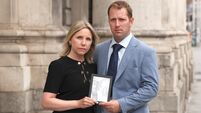
‘Young people guinea pigs for ever-evolving synthetic drugs,’ Cork campaigners say
The latest Health Research Board Investigation in to drug-poisoning shows that 339 people in Cork died of drug poisoning between 2012 and 2021, with 41 of these in 2021, compared to 52 in 2020.
‘Young people guinea pigs for ever-evolving synthetic drugs,’ Cork campaigners say

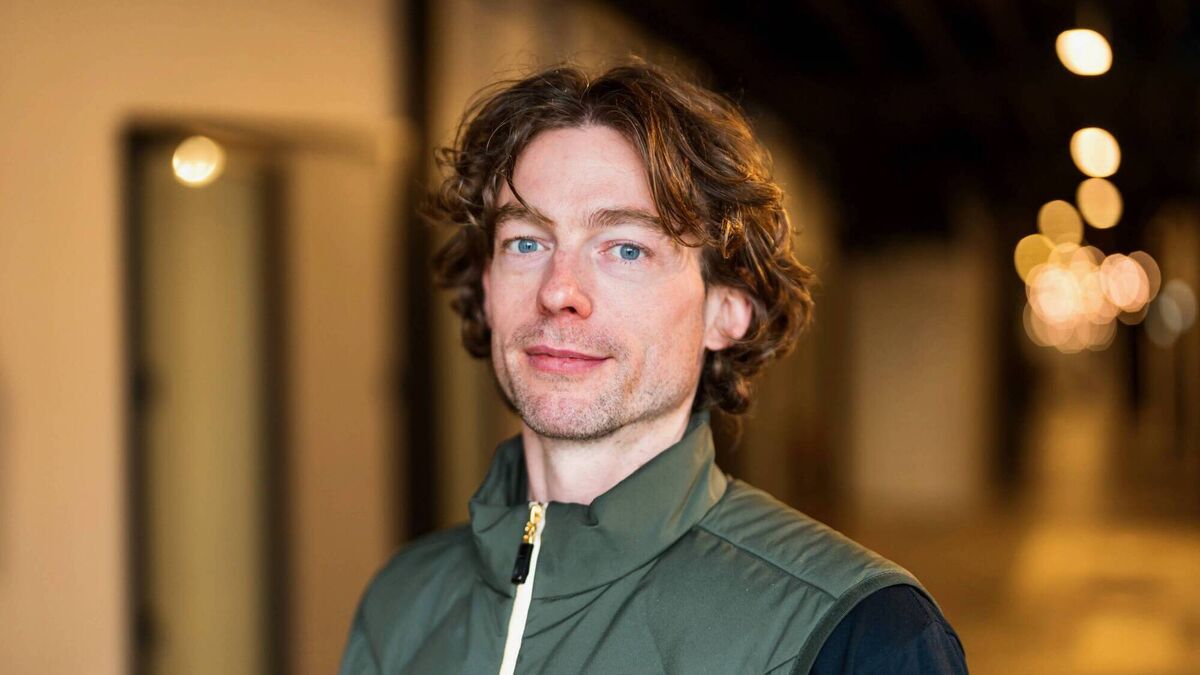
Cork activist and drug campaigner Graham de Barra, of Help Not Harm, said: “As a consequence of traditional drugs being confiscated at border checks, due to their easy detection, criminal gangs pivoted to produce cheaper synthetic drugs that are easier to conceal."

Synthetic drugs are creating one legal loophole after another, and young Irish people are being used as test subjects for ever-more dangerous drugs, Cork campaigners have said.

The latest Health Research Board Investigation in to drug-poisoning shows that 339 people in Cork died of drug poisoning between 2012 and 2021, with 41 of these in 2021, compared to 52 in 2020.

Since 2021, the most recent year of data, dangerous new substances have appeared on the market.

The report notes: “The new psychoactive-substances (NPS) drugs implicated in deaths in 2021 did not include nitazenes, which are of increasing concern in Ireland, having emerged on the Irish drug market in 2023 and since leading to several clusters of overdoses,” including in Cork.

Cork activist and drug campaigner Graham de Barra, of Help Not Harm, said: “As a consequence of traditional drugs being confiscated at border checks, due to their easy detection, criminal gangs pivoted to produce cheaper synthetic drugs that are easier to conceal.

“Unfortunately, consumers pay the cost: They’re experimented on. We don’t know what the new substance will be next year.

“Most of these synthetics are produced in labs in India or China,” Mr De Barra said. “There’s nothing stopping an Irish cartel from contacting these labs and telling them to change the molecular structure of a banned substance to make it in to something technically different.

“It only has to be altered a tiny bit, because legislation has to specify what chemical or substance is banned; it can’t just be a blanket ban.”

He added: “The law will always be a cat-and-mouse game, always be a bit behind, which just strengthens the call for drug-testing facilities.” Though there are pop-up drug-testing services at music festivals or concerts, “while there might be overdoses at these venues, the majority of drug use is done in solitary settings: People who can afford a €500 Electric Picnic ticket are not representative of everyone who uses drugs,” Mr De Barra said.

Nicole Ryan, who travels to schools teaching young people about substance abuse, agreed that “there’s new trends in synthetics always on the rise”.

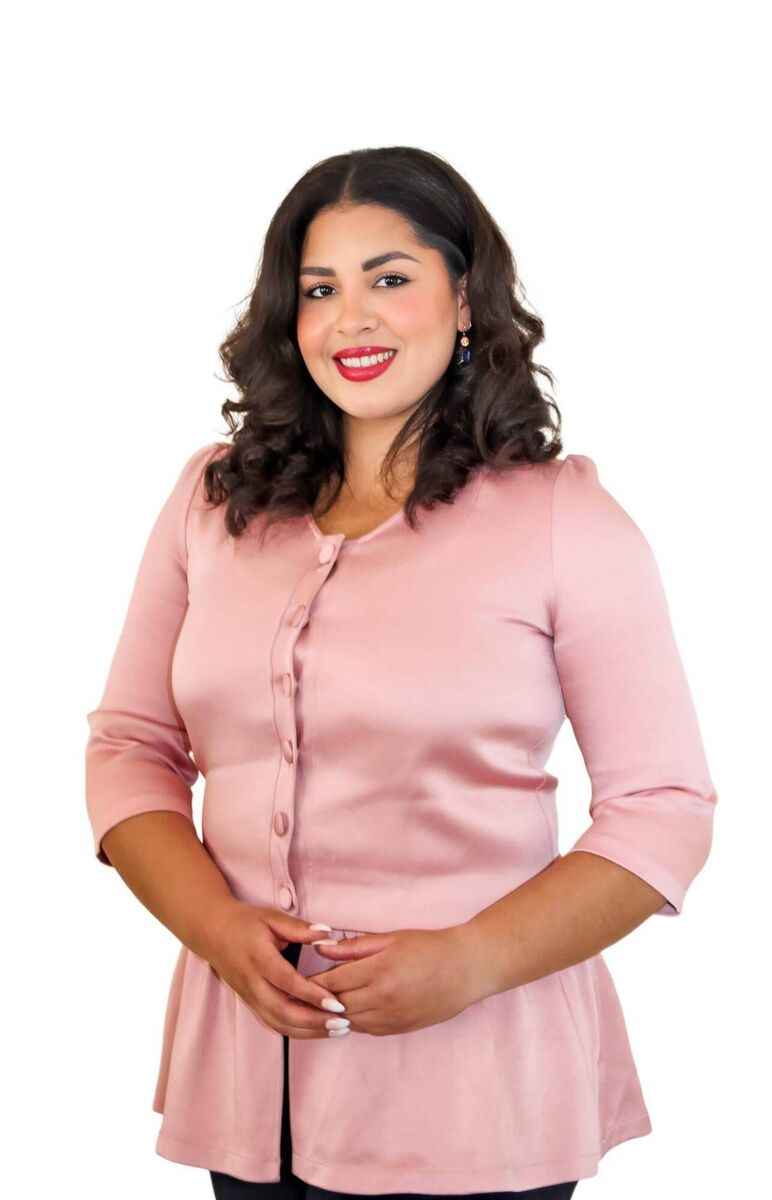
Nicole Ryan, a candidate in the general elections in Cork North West, for Sinn Féin, agreed that the synthetic market was too fast for the law in most cases.

She said: “HHC, which is a semi-synthetic, is on sale in some vape shops. I spoke with the mother of a 17-year-old, who said he bought mushrooms in a vape shop.

“We’ve banned head shops, but is there a grey area allowing psychedelics to be sold in vape shops? There’s new vape shops in Cork everywhere you turn.”

Ms Ryan, a candidate in the general elections in Cork North West, for Sinn Féin, agreed that the synthetic market was too fast for the law in most cases, saying: “It takes time to pass a law saying, ‘This is banned’, and by that time they’ve tweaked the chemicals, so it’s technically a new drug.

“The substances are constantly getting more dangerous; young people are being used as test subjects.” Discussing the case for decriminalisation or legalisation of drugs, she said: “We know that even if we ban something, it doesn’t go away, it just becomes more dangerous and makes it worse for people dabbling in drugs.

“There’s a big difference between legalising and decriminalising: I think we first need to look at decriminalising and focusing all that money we could save in to a health-based approach, as opposed to putting people in and out of prison.”

Joe Kirby, HSE social-inclusion manager, Cork and Kerry, said: “The current market is very volatile and there are ongoing concerns around synthetics, which have been found in both powder and pill format.” They were continuing to put supports in place by collaborating with hospitals, gardaí, NGOs, and community groups with their naloxone rollout and training and their programme of monitoring trends and alerting people on dangerous substances.

Read More

Number of Cork children awaiting health assessments and treatment 'shameful', says Cork councillor 

more Cork health articles

Smiling retired man with female home carer Over 1,000 Cork home support carers vote 'overwhelmingly' for strike action
stretcher 130 without beds in Cork as CUH reports highest level of patients on trolleys in country
North Cork nursing takes measures to address Hiqa concerns     North Cork nursing takes measures to address Hiqa concerns    

More in this section

House key with home keyring in keyhole on wood door, copy space Tourist areas should be exempt from short term letting rules, says West Cork councillor  
The Apprentice 2026 Young Cork businessman taking part in new season of The Apprentice 
Car rushes along the highway at sunset , low angle side view Jump in seizures of uninsured cars; majority of Cork seizures in city 

Sponsored Content

Turning risk into reward: Top business risks in 2026 Turning risk into reward: Top business risks in 2026
Top tips to protect Ireland's plant health Top tips to protect Ireland's plant health
River Boyne in County Meath, Ireland. Water matters: protecting Ireland’s most precious resource
Contact Us Cookie Policy Privacy Policy Terms and Conditions

© Examiner Echo Group Limited

Add Echolive.ie to your home screen - easy access to Cork news, views, sport and more