Budget 2025: Call for more funding for mental health and addiction services in Cork city 
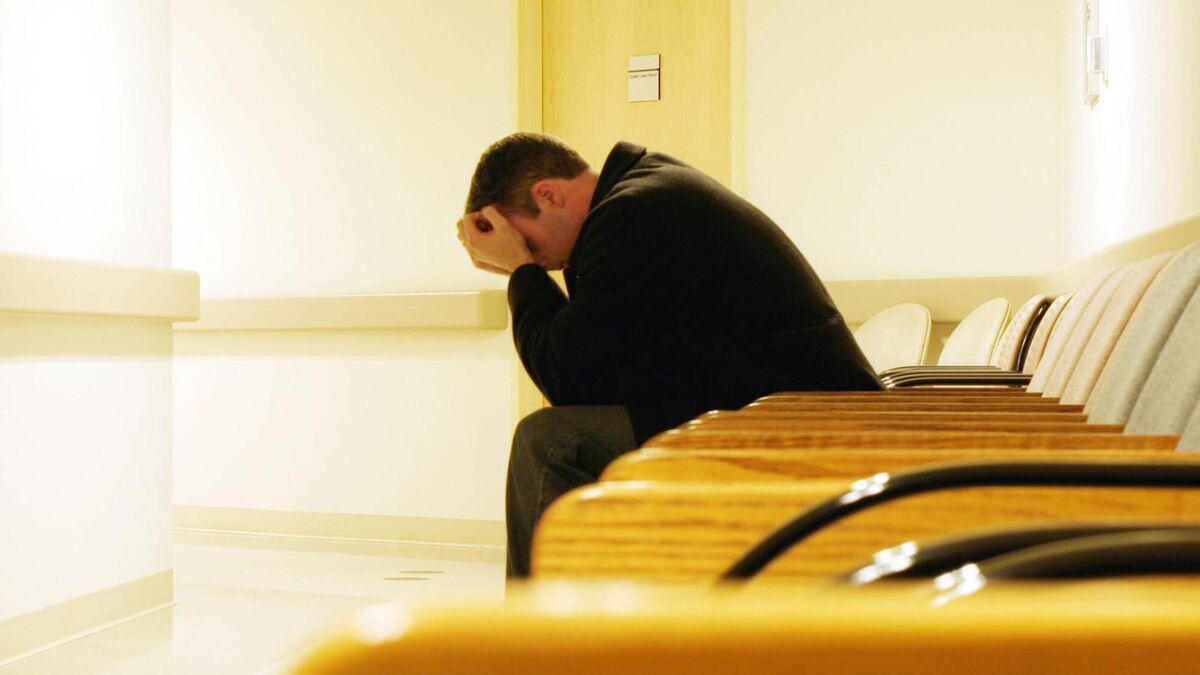
Calls have been made for more funding for mental health and addiction services in Budget 2025. Donal O’Keeffe speaks to those involved in the sectors in Cork
Budget 2025: Call for more funding for mental health and addiction services in Cork city 

Among the asks from organisations in Cork is the development of designated safe areas at crisis centres for patients who were presenting with mental-health issues, separate from the emergency department. 
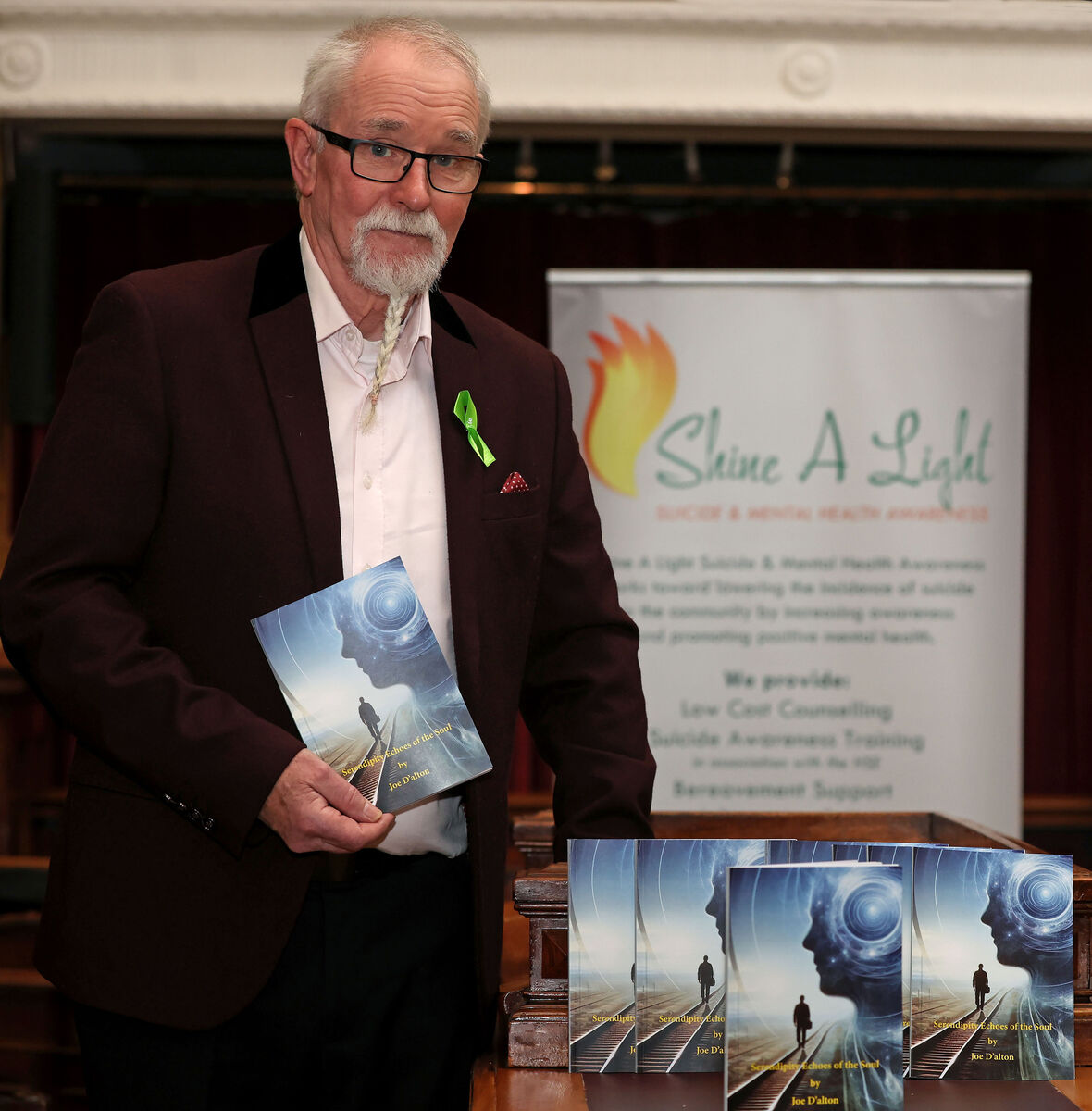
Cork charity Shine A Light Suicide and Mental Health Awareness was founded on the northside in 2009, at a time when that part of the city was struggling to deal with a high number of suicides, and the group has since expanded its operations in the region.

The organisation provides counselling at low cost, through the Social and Health Education Project/Coiscéim Counselling service, and regularly runs SafeTalk and ASIST suicide awareness training in conjunction with the HSE.

Joe D’Alton said there were myriad challenges facing the Government, the HSE, and all of the statutory bodies that are responsible for delivering mental-health services in Ireland.

Other services provided by the group include bereavement support groups in communities, and directing people to supports offered by other organisations, as well as the promotion of positive mental health in the community.

Joe D’Alton is one of the founders and directors of Shine A Light, and he said there were myriad challenges facing the Government, the HSE, and all of the statutory bodies that are responsible for delivering mental-health services in Ireland.

“We would like to see some fundamental changes applied,” Mr D’Alton said.

“The current spend of €1.3bn a year on mental-health services is only 5.7% of the health budget.

“The minimum required by the World Health Organisation is 12%, so we are not even half-ways there.”

Securing adequate funding for mental-health services is often difficult, due to budget limitations and competing priorities within the health system, Mr D’Alton said, and a lack of sufficient financial resources has led to multiple challenges.

Although the charity has not made a pre-budget submission, Mr D’Alton said Shine A Light was calling for an increase in Government funding to support mental-health services.

One area that needed expanded funding was services for children with special needs, in particular around autism, Mr D’Alton said, and that Government needed to provide what he called “a targeted, realistic funding budget, ring-fenced for that area”.

He added that without a targeted State intervention, children with additional needs would continue to fall between the cracks.

The charity called upon the State to enhance professional development by providing ongoing training opportunities for mental-health workers. 

It added that there was a need to introduce mentorship programmes to support new recruits and reduce burn-out.

Call to expand community services 

In a nod to Shine A Light’s own strengths, Mr D’Alton said that there was a need to expand community-based mental-health services and to develop local programmes to provide early intervention and support.

There was also a need to increase the availability of outpatient psychiatric services to reduce the burden on inpatient facilities, he said.

This, Mr D’Alton said, would need an investment in the construction and renovation of psychiatric facilities to increase bed capacity.

There needed to be designated safe areas at crisis centres for patients who were presenting with mental-health issues, separate from the emergency department (ED), he said.

“Patients experiencing mental-health crises require a calm and supportive environment, which is often not available in the chaotic and high-stress atmosphere of [the ED],” he said.

“A designated safe area can provide a more appropriate setting for these patients, reducing their anxiety and improving their overall experience.”

Long waiting times in the ED can exacerbate mental-health issues, he noted, leading to increased distress and the potential for patients to leave without receiving care.

“A dedicated area for mental-health crisis can streamline the process, ensuring that patients receive timely and appropriate care, thereby reducing the risk of them leaving untreated,” he said.

“Providing immediate and specialised care can significantly improve patient outcomes.

“Early intervention in a crisis can prevent the escalation of symptoms, reduce the need for hospitalisation, and promote faster recovery,” Mr D’Alton said.

Addiction services 

Meanwhile, a national addiction-services provider that offers support across Cork has called on the Government to include a number of proposals in Budget 2025, including a new service offering a home to people in recovery.

Coolmine Therapeutic Community, working in conjunction with Cork Local Drug and Alcohol Task Force and Southern Regional Drug and Alcohol Task Force, has six community-based hubs. These provide localised support for people in the south-west region who are impacted by substance use.

Those hubs are in Cork City North, Cork City South, North Cork, West Cork, East Cork, and Kerry.

Founded in 1973, Coolmine is a national addiction-treatment provider that offers a range of residential and community services.

With 2,500 people supported annually, Coolmine receives 70% of its national funding from the HSE, and an additional 10% from government departments.

The remaining 20% comes from resident contributions and fundraising and donations.

However, Coolmine Southwest manager Brian Duncan told The Echo that in the Cork/Kerry division, where, last year, Coolmine worked with 1,117 clients, and oversaw 1,384 new referrals, the charity’s work is funded entirely by the HSE.

“We’re funded to deliver drug and alcohol services across the community, locally to people in their communities, but we’re only funded to deliver primary treatment interventions,” he said.

“Some of the context of our pre-budget submission is recognising that there is a lack of funding nationally, which has obvious relevance in Cork and Kerry, but it’s a national picture.

“There is a lack of funding for services and supports for people who have already engaged with a primary intervention, but now require support in establishing recovery for themselves.”

Funding for centres of excellence 

In its pre-budget submission to the Department of Finance, Coolmine has called for €560,000 to establish recovery capital centres of excellence across three regions: Cork/Kerry, Dublin, and Limerick.

These centres would support individuals who are transitioning from treatment to recovery, ensuring long-term success and reducing the risk of relapse.

“At the core of our pre-budget submission is recognition that there’s a need for funding of building recovery capital for people that may not have a lot of resources themselves, be that family or social supports, education or employment supports, even down to hobbies and interests,” Mr Duncan said.

“When we take away the drugs and alcohol from someone who has been immersed in addiction for a long time, once we get over establishing a period of sobriety, the big challenge for people is how to establish a meaningful life for themselves beyond drugs and alcohol.”

He said that while the idea of regional centres of excellence was at the ‘wish list’ stage for Coolmine, it was something those working in the charity would love to see happen.

“While people typically can get into residential treatment, the lack of somewhere to go afterward can be a huge barrier for people establishing recovery, because it’s on the return to the community that it can be really difficult for people to establish a safe environment for themselves,” Mr Duncan said.

“We would love to be able to provide that for people in Cork, but, at the moment, Coolmine doesn’t have access to anywhere like that.”

In its submission, Coolmine has sought alignment for its employees with public-sector pay rates, as staff pay rates currently remain 17.5% behind those in the public sector, a disparity in wages which, it said, has led to high staff turnover and service disruptions.

It has also called for the development of a strategy that would establish a process to include community and voluntary addiction services in future public-sector pay awards.

more Cork health articles

dermatologist Inspecting patient skin moles at clinic Cork families must travel to Dublin for specialist dermatology care
Cork Lions club launch health-led  ‘Message In A Bottle’ initiative Cork Lions club launch health-led  ‘Message In A Bottle’ initiative
Disposable vape ban Vaping will become 'the public health issue of this generation', says Cork councillor  

More in this section

Knowledge of the law is crucial for a fair trial Cork solicitor is nominated as a new District Court judge
Two more Cork people added to Irish 'dictionary of biography' Two more Cork people added to Irish 'dictionary of biography'
Three Cork firms are finalists in entrepreneur awards Three Cork firms are finalists in entrepreneur awards

Sponsored Content

Driving Growth in Munster: How property finance is powering Cork’s future Driving Growth in Munster: How property finance is powering Cork’s future
Passionate producers get a helping hand from Tesco Passionate producers get a helping hand from Tesco
Where tech meets care: At the forefront of IVF Where tech meets care: At the forefront of IVF
Contact Us Cookie Policy Privacy Policy Terms and Conditions

© Examiner Echo Group Limited

Add Echolive.ie to your home screen - easy access to Cork news, views, sport and more