UCC researchers find microparticles of plastic potentially from clothing in deep sea corals
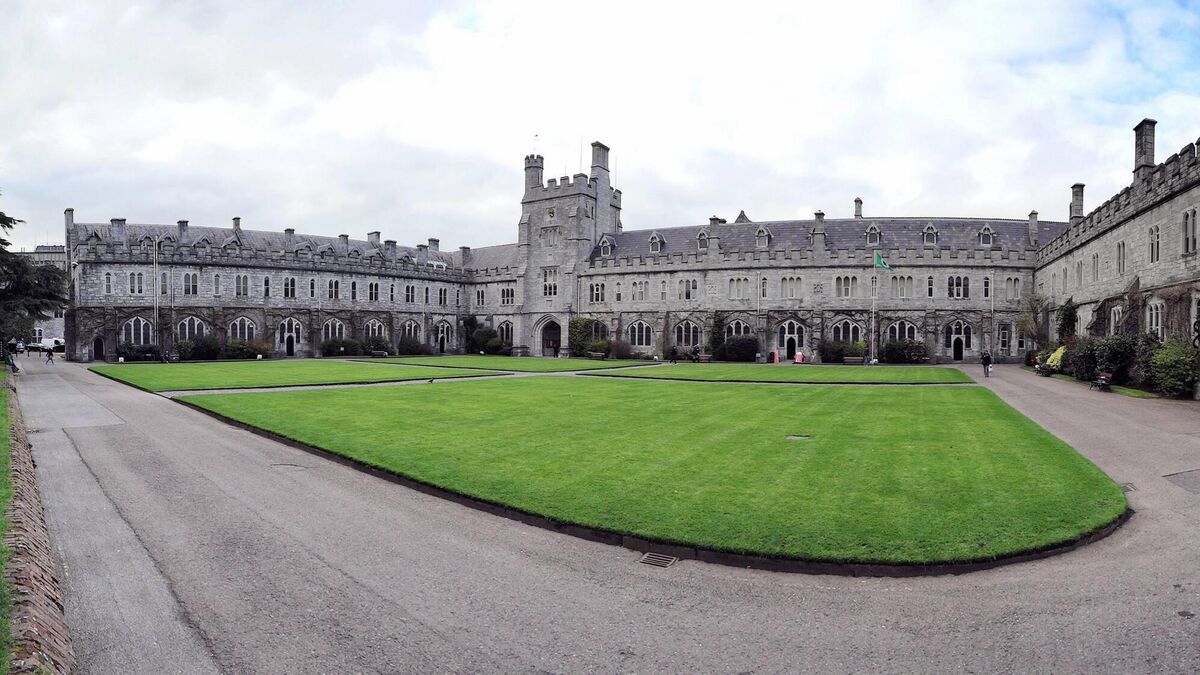
Evidence of microplastics was found more than 2km under the Atlantic Ocean, and the composition of microplastics suggests washing machine wastewater may be polluting deep sea corals
UCC researchers find microparticles of plastic potentially from clothing in deep sea corals

The study, funded by the Marine Research Institute, focused in the North East Atlantic, mainly the Porcupine Bank Canyon and north-eastern Porcupine Seabight.

A new study from University College Cork researchers has discovered the presence of microplastics in the North Atlantic’s deep waters and cold-water corals.

Evidence of microplastics was found more than 2km under the Atlantic Ocean, and the composition of microplastics suggests washing machine wastewater may be polluting deep sea corals.

This highlights the pollution of the ocean’s most remote and ecologically vital regions, the UCC researchers have warned.

Furthermore, an analysis of the shape and composition of the microparticles suggests they may originate from our clothes, indicating that wastewater run-off from washing machines may be polluting our deep-sea corals living in what were previously thought to be ‘pristine waters’.

The study, funded by the Marine Research Institute, focused in the North East Atlantic, mainly the Porcupine Bank Canyon and north-eastern Porcupine Seabight.

The team consisted of Dr Alicia Mateos-Cárdenas, Professor Andrew J. Wheeler and Dr Aaron Lim, who say that the presence of microparticles in cold-water corals underscores their vulnerability to pollutants.

Their research is the first environmental record of microparticle adsorption/ingestion by cold-water coral, and emphasises the critical need for comprehensive exploration and conservation efforts in deep-sea environments, especially to protect vital ecosystems like L. pertusa reefs.

The team, led by Dr Mateos-Cárdenas, analysed samples from depths of 605 to 2126 metres from these marine conservation sites (SACs). The main finding of the study is that cold-water corals, particularly the framework-forming Lophelia pertusa, may not only be exposed to but are also ingesting microplastics and cellulosic microparticles.

These findings underscore the vulnerability of these corals, which create essential habitats for various marine species, to the ever-growing threat of marine pollution.

POLLUTION

The research also identified rayon microfibres as dominant in water and coral samples, suggesting potential pollution sources linked to land and washing machines’ wastewater.

The dominance of rayon micro-particles in both water and coral samples raises questions about marine pollution sources, which points to a complex interaction between land-based activities and marine pollution, emphasising the need for integrated environmental management strategies.

The UCC team’s findings come at a crucial time, as international efforts to address plastic pollution intensify at the UN for a Global Plastics Treaty. 

Dr Alicia Mateos-Cardenas explained: “Studies like this offer factual and topical results to industries and policymakers, especially in the lead-up to the final round of negotiations for a plastics treaty.”

“Understanding the true fate of microplastics and other synthetic particles is essential for developing effective policies and mitigating the impact of plastic pollution.” 

Prof. Andy Wheeler said “Our findings highlight the critical need for comprehensive exploration and conservation efforts in deep-sea environments,” 

Dr Aaron Lim added, “Protecting ecosystems like Cold-water coral reefs is vital as they are biodiversity hotspots and play a crucial role in the marine ecosystem.” 

The research paper, entitled ‘Microplastics and cellulosic microparticles in North Atlantic deep waters and in the cold-water coral Lophelia pertusa’ was published in the Marine Pollution Bulletin.


More in this section

Daena's family 'heartbroken' after Cork murder of 'loving mother, daughter, sister, and friend' Daena's family 'heartbroken' after Cork murder of 'loving mother, daughter, sister, and friend'
Garda stock Man hospitalised after suspected stabbing in Cork town
Breaking: Adam Corcoran found guilty of murder by Cork court Breaking: Adam Corcoran found guilty of murder by Cork court

Sponsored Content

The power of the G licence The power of the G licence
Happy couple receiving new house keys from real estate agent Time to get to grips with changes in rental laws
Boatbuilder turned engineer proves alternative paths can lead to success Boatbuilder turned engineer proves alternative paths can lead to success
Contact Us Cookie Policy Privacy Policy Terms and Conditions

© Examiner Echo Group Limited

Add Echolive.ie to your home screen - easy access to Cork news, views, sport and more