’Tis season to tackle problem drinking
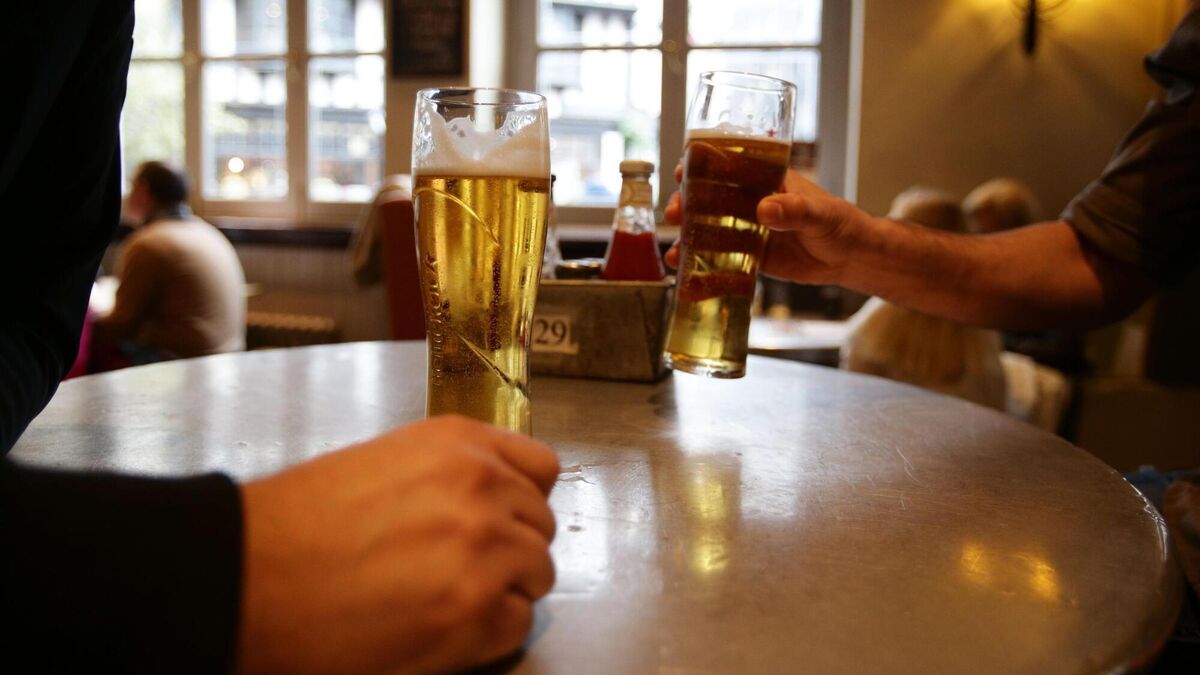
Christmas celebrations can make people realise that their excessive drinking is not just seasonal.
THE South-West region, which includes Cork, has the highest number of binge drinkers in Ireland outside of Dublin.
A binge drinker is someone who consumes six or more units of alcohol in a single sitting, and drinking peaks at Christmas, when families and friends reunite at home and in bars.
In January, 2012, British charity Alcohol Concern coined the phrase ‘dry January’ when it launched its flagship campaign to encourage people to abstain from drinking for a month. It has become a tradition in many countries.
The immediate benefits of not drinking include saving money and improved health.
The HSE lists lower blood sugar and blood pressure, less fatty build-up around the liver, better sleep, more energy, loss of weight, and less likelihood of headaches, heartburn, indigestion, and stomach upsets as among the health benefits.
Though over-indulging in alcohol during the festive season is not exclusive to problem drinkers, January is also one of the most common months for people to try to quit drinking permanently.
Tabor Group
Mick Devine, the clinical director of Tabor Group, who have two treatment facilities in Cork, said: “You would expect the phones to be busy here in January.
“We put it down to Christmas being a very demanding occasion for a lot of families, emotions can run high or deep in families around Christmas, and it can be a very challenging time emotionally for people.
“There can be a lot of tensions or conflict at this time of year, and people might use alcohol to cope with these challenges; it might get out of hand and they realise they might need help with their drinking,” Mr Devine said.
Another reason for increased calls for help in January is “people making new year’s resolutions and then, when they break it, they realise that they need help.”
Trying to reduce drinking, and not being able to, “really forces people to admit they have a real problem; it’s often something that they’ve been trying to put off. Christmas is additionally stressful, because it reminds people of their childhood, and if they have children themselves there is huge pressure to make everything perfect.”
How do you approach Tabor?
Mr Devine said: “All they have to do is say, ‘I need some help with a drink or drug or gambling problem’. The person on the other end of the phone really takes charge.”
The initial steps are “quite a gentle process”, Mr Devine said, and the person who suspects they have a problem with drinking will be asked for more details to compile a picture of their situation, and then be invited to an assessment.
AA meetings
People who want to give up alcohol, but who do not want to go to a treatment centre, can attend Alcoholics Anonymous meetings. Cork has 170 AA groups, which meet across the city and county every week. There are meetings every day, spread across the morning, afternoon, and evening, and their locations and schedules can be found on alcoholicsanonymous.ie/find-meeting/.
During the pandemic, because in-person meetings could not be held, AA members turned to Zoom, and thousands of online meetings across the world are still running, and these can be joined from a phone at any time of day.
Going to a closed meeting for the first time can be daunting, but several groups hold open AA meetings on occasion, which anyone may attend, including non-alcoholics who wish to observe.
The Bandon group of Alcoholics Anonymous is holding an open public meeting on Friday, January 19 at 8.30pm in The Munster Arms Hotel, with all visitors, newcomers, professionals, members, and those seeking information welcome.
There will be speakers from Alcoholics Anonymous and from Al-Anon, which is a fellowship of relatives and friends of alcoholics who are worried about their loved one. A GP will also be present and the meeting will end with a Q+A session.
An open meeting is also held on the first Tuesday of every month at 8.30pm at The Lough Community Centre in Greenmount.
'I haven’t had drank since last January, and that is all down to AA'
An AA member from Cork, who wished to remain anonymous, told The Echo: “I knew I had a problem with alcohol for years before I asked for help.
“At the beginning, drinking was fun and it was sociable, but slowly it became the complete opposite: I shut myself up in my bedroom drinking every night and pushed everyone away, because I knew I was going to disappoint them.
“The hangovers were horrible and the consequences were worse, but the worst thing was what it did to my head: I became so afraid all the time that I was going to lose my job or my house, or that somebody who loved me was going to find out how I had been living.
“I kept thinking that a new job or moving to a new city would change the pattern and help me to break the habit of drinking every night, but everywhere I went, my problems followed me.
“I tried therapy, I tried medication, I tried to quit by myself, but I just kept ending up drunk and wondering how I had let it happen again.
“I went to my first AA meeting mostly to get other people off my back. I never wanted to join, because I thought it was all about religion, but the amount of understanding I got from people there kept me coming back, and now I have an entirely different life, and I know that I never have to have a drink again.
“I haven’t had drank since last January, and that is all down to AA, because I tried to do it myself beforehand and couldn’t.”
He advised newcomers: “You don’t have to speak at your first meeting, or even your 10th. If you go into a room, people will shake your hand and introduce themselves, and you can listen to their stories and hear how they recovered from their own addiction to alcohol.
“The first speaker will share for 10-15 minutes about what it was like, what happened, and what it’s like now, then others in the room will share how they related or just how their day is going.
“If someone asks you to share, you can say whatever is on your mind, or simply tell them ‘I’d just like to listen tonight’, and nobody will force you to say anything more, but just hearing other people talk can be so helpful, it made me realise that I wasn’t alone.”







 App?
App?


