Nostalgia: River Lee at the heart of social life in the city
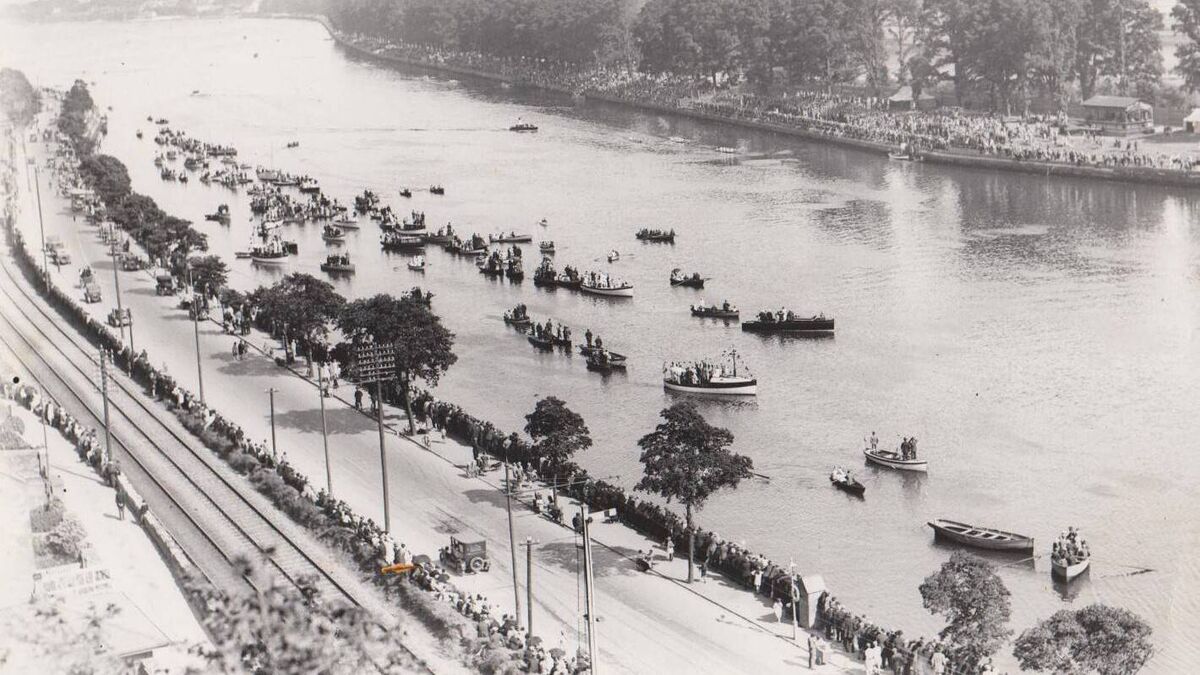
Crowds line the pathways on the Lower Glanmire Road and opposite bank for the Cork City Regetta in 1928. Photo courtesy of Teresita O’Callaghan, Lee Rowing Club.
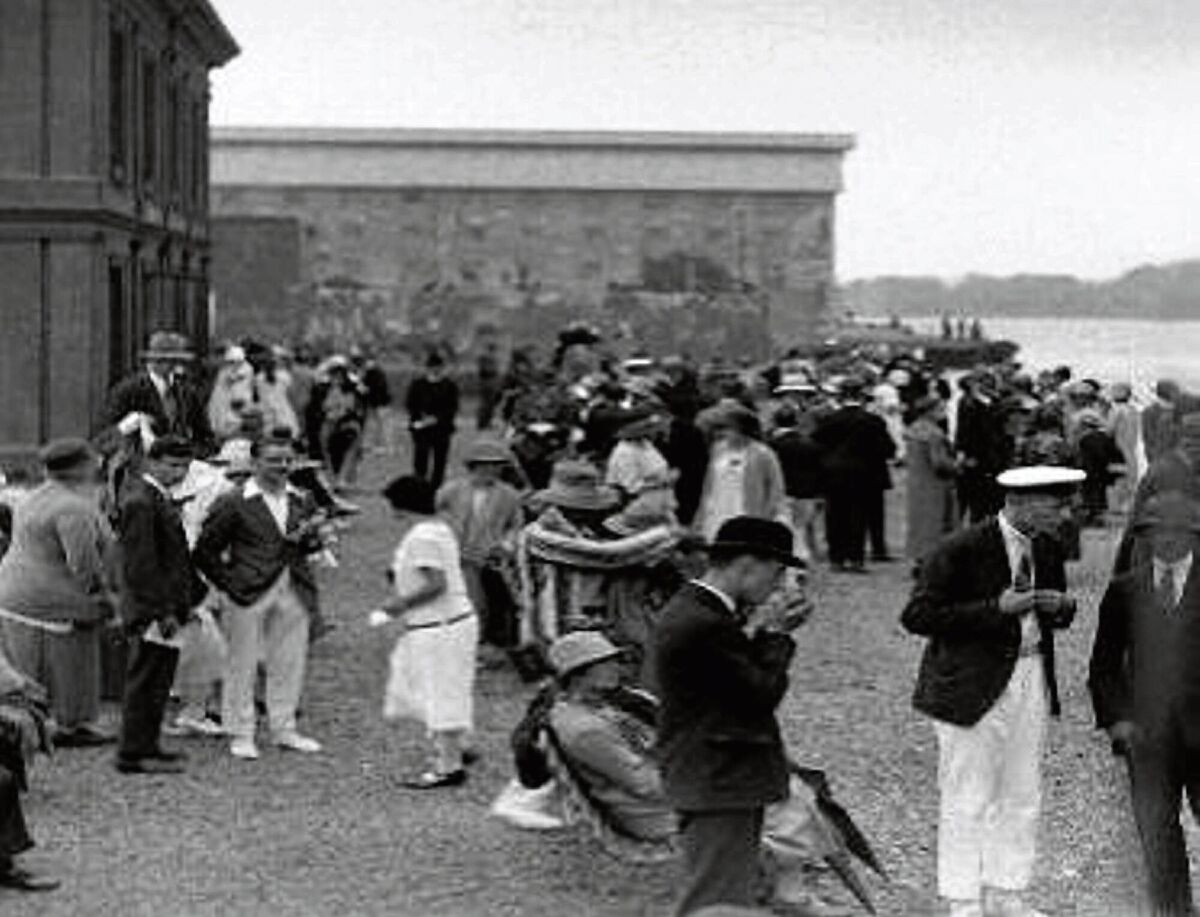
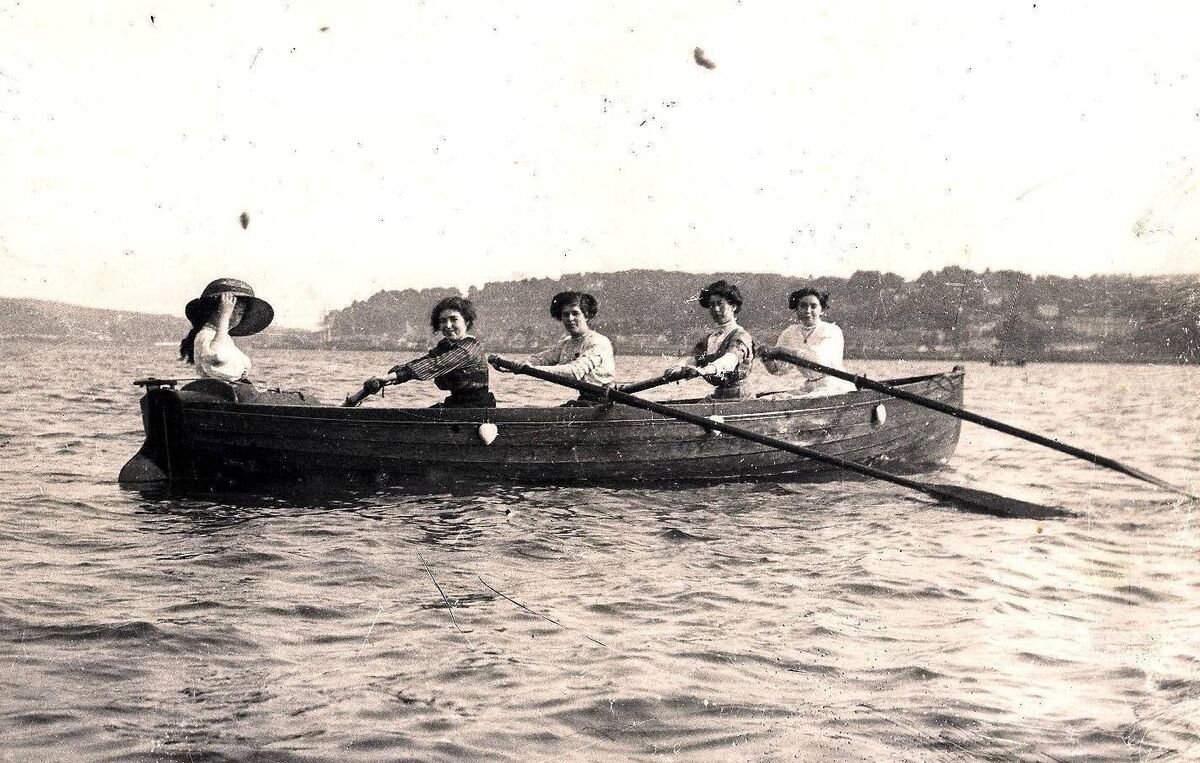
For almost 200 years, our glorious River Lee has been the backdrop to a myriad of colourful regattas hosted by the many boat clubs who call Cork their home.
For one such boat club, the Sunday’s Well Boating and Tennis Club, its establishment was as a direct result of the regattas which, according to the club’s annals, go back to the early years of the 19th century.
Since 1800, boating on the River Lee was a favourite pastime among the residents of Sunday’s Well as there was a magnificent stretch of river below them to enjoy on summer afternoons and evenings.
Many of the residents had boat houses and piers erected at the bottom of their beautiful, flowery shrubbery or fruit gardens that sloped down to the river.

In later years, when development took place on the northside stretch of the Mardyke Walk, the Dyke residents also became boating enthusiasts.
Due to the popularity of boating, it was no surprise that an active coterie, proud of their stretch of river, should at some time decide to organise a regatta.
It is known that a Sunday’s Well Regatta was held on Monday, July 25, 1853; however, it wasn’t the first one.
The regatta was held once a year and was part of the season’s social occasion for the residents of Sunday’s Well and the city’s upper crust.
These one-day events were a brilliant colourful spectacle; decorations could be seen everywhere while music, provided by a military band, could be heard serenading onlookers as craft of varied design, from highly fashioned pleasure boats to canoes, took to the water.
The participants who competed in the various boat and other competitions came from the locality, city clubs, as well as soldiers from the garrisons stationed in the city.
The course stretched from Wellington (now Thomas Davis) Bridge to the weir (opposite the club) — a distance of half a mile.
Other activities included swimming, tub-races, water polo matches, and much more.
During these events, the bridge and the river banks were lined with people from all walks of life.
The band promenade was located on the grounds of the Shrubberies, the residence of JB Sheehan (now Cork Public Museum and Fitzgerald Park).
Sheehan was Mayor in 1877 and 1884, and president of the regatta for many years.
Admission to the promenade was 6d, the entrance being from the Mardyke Walk.
At sundown the gardens and river banks were beautifully illuminated with Chinese lanterns while the boats on the water were brilliantly lit; the highlight of the evening however was the magnificent fireworks display.
The regatta was an annual event, but as it was of a semi-private nature, financed by the same promoters and patrons, it was destined to lapse occasionally when funds were limited.

It was revived from time to time; however, the early years of the 20th century saw it sadly disappear into the archives of the past.
Marina regattas
On Thursday evening, August 15, 1844, Blackrock held its first Regatta.
Timothy O’Mahony, local historian, tells us in his very interesting book, Glimpses of Blackrock, it was supported by three prominent local families; Messrs Beamish, Allen, and Harris and their neighbours and the music was provided by their own Blackrock Temperance Band.
From its humble beginnings on that Thursday evening and during those dreadful famine days, the Marina is now credited with having three of the most popular boating clubs in the country, that being the Lee Rowing Club, founded in 1850; the other two are Shandon, founded in 1875 and Cork Boat Club, established in 1899.
These three clubs boast of having won every trophy in this brand of sport.
Regatta days on the Marina had always a carnival atmosphere about them and were very special to Corkonians.
The place would be buzzing, thronged with people of all ages and from all walks of life.
On the Tivoli side of the river, the quay walls would be lined with spectators and on-board various crafts on the river, watching or cheering on the hardworking sweating crews.
All the while the sweet music of the Barracka or the Buttera bands could be heard echoing from the Marina bandstand amidst boisterous cries of street sellers peddling a varied assortment of wares, mingling with gentlemen and ladies dressed in flamboyant style, while children played happily on the grassy bank, shaded by the magnificent elm trees along the Marina.
Today, regattas on the Lee are still as popular as ever, with all the excitement of yesteryear as crews eagerly compete for trophies, entertaining crowds of enthusiastic onlookers like they did in the good auld summer days of yore.

App?