UCC student presents soil pollution research
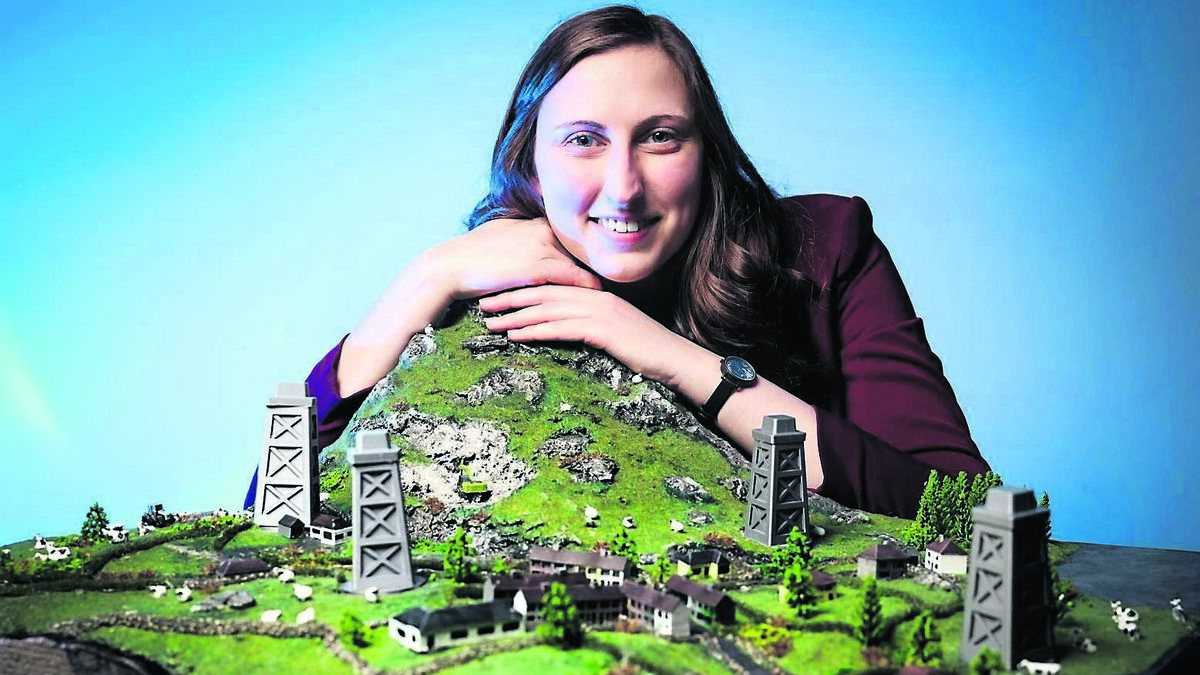
Hannah who is an environmental scientist and PhD student at UCC discussed how geoscientists can help tackle climate change and how geoscience research contributes to the Irish economy, environment, and society more generally.
UCC student presents soil pollution research

UCC student Hannah Binner recently spoke at a major research showcase and conference in Dublin organised by iCRAG.

UNIVERSITY College Cork student Hannah Binner recently spoke at a major research showcase and conference in Dublin organised by iCRAG (the SFI Research Centre in Applied Geosciences).

Hannah who is an environmental scientist and PhD student at UCC discussed how geoscientists can help tackle climate change and how geoscience research contributes to the Irish economy, environment, and society more generally.

Ms Binner outlined how her research found that lead concentrations in several urban recreational sites such as parks and playgrounds in Cork exceed Irish national background levels.

Her studies found that metal concentrations were highest in the sites closest to the city centre of Cork city, reflecting diverse sources that potentially include traffic and current and historical domestic coal burning and industry.

As part of her research, she found that of all the countries in Europe, Ireland, had the highest number of metals with 16 in total above natural background levels. Other countries on average have only seven metals above the natural background.

Ms Binner said it is important urban soils are assessed. 

“I am specifically collecting my own data in Cork. I will share the data with Cork City Council. We are now checking how well Cork lines up with the rest of Ireland and Europe. 

"It is very important that we look at agricultural soil, but it is the urban soil where most of us live. We need to know more,” she said.

“We now need to apply the same detail with the soils as we did with air pollution,” said the UCC student. “It is probably not at the forefront of climate change research, but we are now realising most of Cork is prone to flooding. Floods will increase. We will get hotter days. This will change the soil. We need good soil, not just for food. We need it for everything,” she added.

Metals that have particularly adverse health effects on humans include lead, chromium, and arsenic. A specific concern brought up by Hannah’s research is that children are generally much closer to the ground and are more likely to be affected by contaminated soils in urban green areas.

One possible link here could be the high number of asthmatic children in Ireland compared to other countries. Ireland currently has no policy or legislation that defines specific concentrations for contamination of urban soils, so Hannah’s research is very important.

Read More

Cork weather: Sub-zero temperatures forecast as Met Éireann advises of 'widespread frost and ice'

More in this section

No dates for opening of new Cork nursing homes No dates for opening of new Cork nursing homes
Warning issued due to high tide flood risk in Cork City Warning issued due to high tide flood risk in Cork City
Happy family on train station More than 700 people in Cork spent Christmas in emergency shelters 

Sponsored Content

Turning risk into reward: Top business risks in 2026 Turning risk into reward: Top business risks in 2026
Top tips to protect Ireland's plant health Top tips to protect Ireland's plant health
River Boyne in County Meath, Ireland. Water matters: protecting Ireland’s most precious resource
Contact Us Cookie Policy Privacy Policy Terms and Conditions

© Examiner Echo Group Limited

Add Echolive.ie to your home screen - easy access to Cork news, views, sport and more