A year in review: 12 months of living with Covid-19 and how Cork has coped during the pandemic
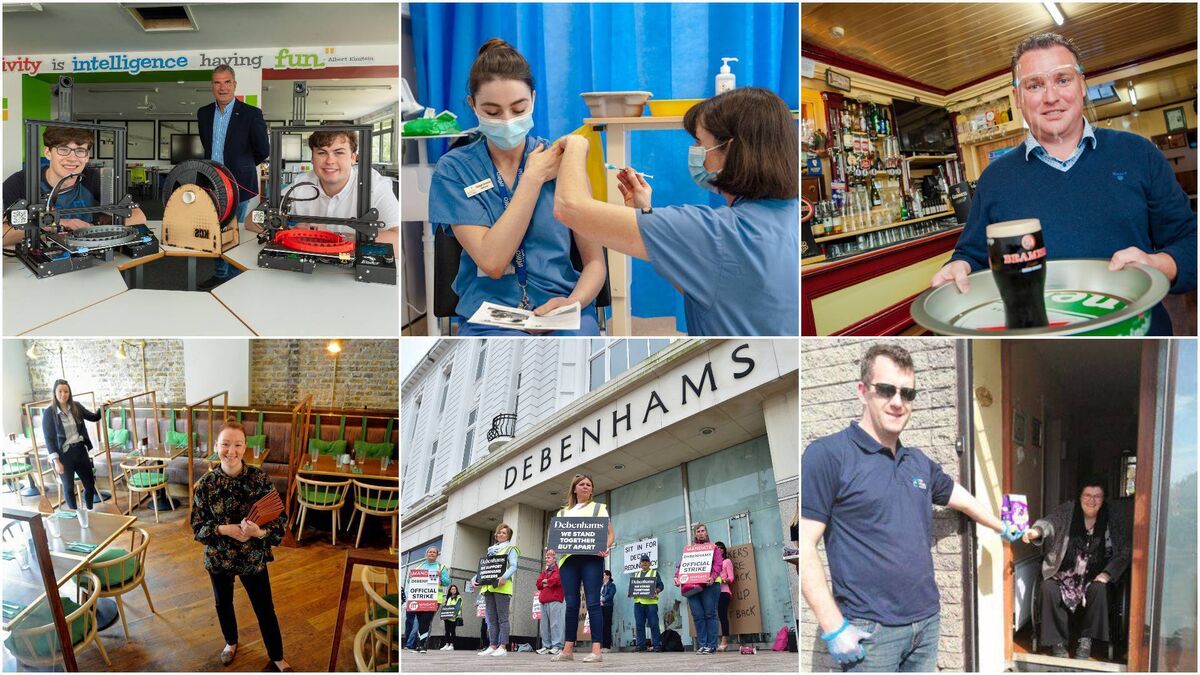
The world has now been living with Covid-19 for the last 12 months in what can only be described as an unprecedented event in our lifetime.
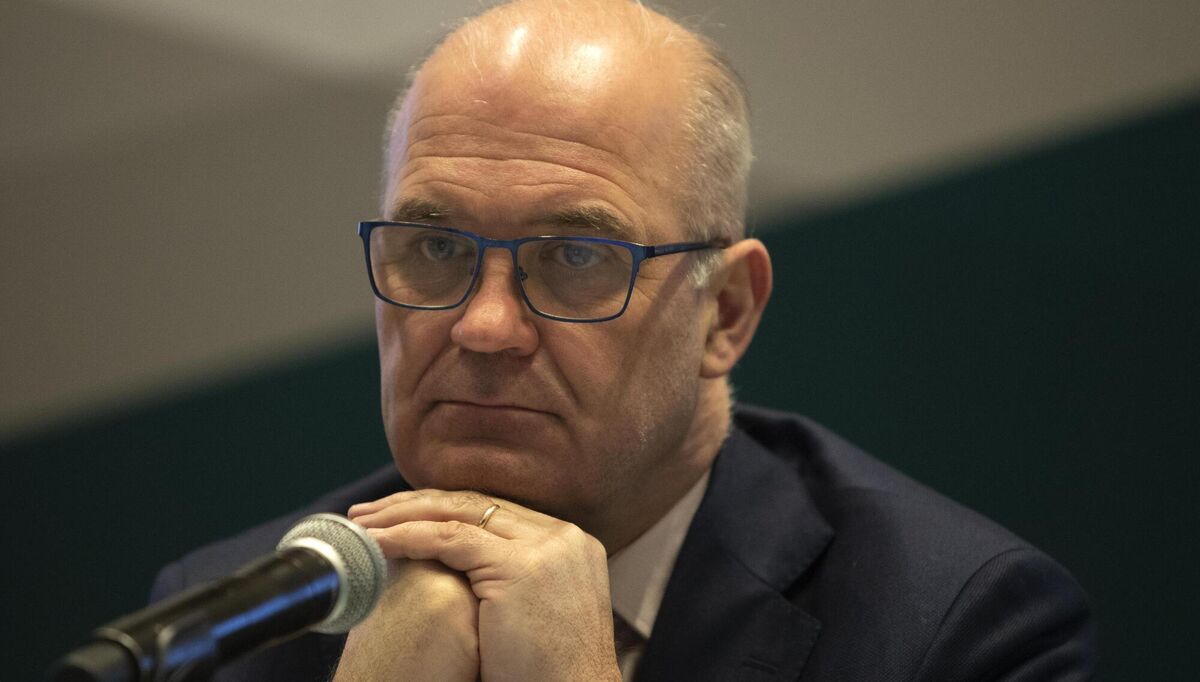
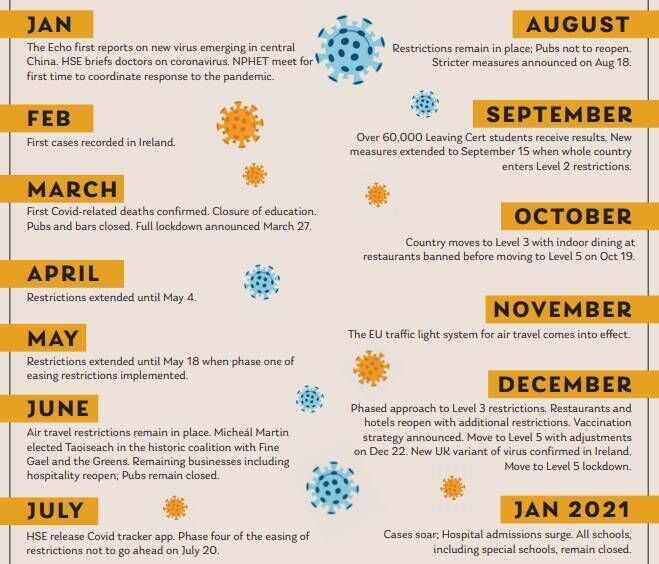
In Cork, University College Cork (UCC) requested students and staff not to travel to China as it locked down cities and foreign evacuees from the worst-hit region returned home.
Dr Maitiu O'Tuathail warned that the country must prepare as the first cases of virus were diagnosed in the UK after an evacuation flight from Wuhan landed on UK soil.

On March 12, hundreds of schools, colleges and childcare facilities across Cork closed, with publicans following days later when the Government ordered the closure of pubs and bars.


On what he described as a St Patrick’s Day like no other, Leo Varadkar warned of further measures to protect against the spread of the virus.

Figures revealed by NPHET showed Cork had the second-highest number of cases in the country at 48 as figures per county were released for the first time.
By March 20, the HSE’s On Call for Ireland initiative had received over 40,000 applications.
A stay at home order was issued by Leo Varadkar on March 27 and two days later a flight carrying almost €30m in PPE for healthcare workers arrived at Dublin Airport.
A Covid-19 Community Response Forum (CRF) was established in Cork city, aimed at contributing to efforts to limit the spread of the virus by ensuring a coordinated approach to the outbreak.
April saw volunteers step up to the plate to provide for the most vulnerable in communities.
52,500 people in Cork availed of the Covid-19 Pandemic Unemployment benefits and 350 jobs in Cork were lost due to the liquidation of Debenhams.
An Garda Síochána launched Operation Fanacht and Cork City Civil Defence volunteers were deployed in response to the Covid-19 emergency.
Westlife’s gigs at Páirc Uí Chaoimh, and Live at the Marquee and Musgrave Park gigs were cancelled as the Government banned mass gatherings.
In May, a roadmap to easing restrictions was adopted by the Government and published online.
On May 18, Cork city shop shutters lifted as retailers including opticians, hardware stores, electrical stores and office supply stores reopened.
Residents of Magazine Road took a stand against the high volume of young people who moved into the area flouting Covid-19 restrictions and concerns were raised about crowded parks and amenities in Cork.
By June 25, there had been no new Covid-19 cases reported in Cork over the previous seven days and Brittany Ferries confirmed the limited return to scheduled passenger services including its Cork to Roscoff service.
Corkman Micheál Martin was elected Taoiseach in a historic coalition agreement with Fine Gael and the Green Party.
On June 29, remaining businesses reopened. Princes Street was lined with tables for outdoor dining and Kinsale pedestrianised streets to increase footfall.

The HSE released the Covid-19 tracker contact tracing app.
Cork saw an increase in the number of adults accessing emergency accommodation and the number of people who sought help from rape crisis centres during the first four months of the Covid-19 outbreak jumped by 98%.
On July 15, phase four of the easing of restrictions was postponed until August 10 with pubs to remain closed.

The following week, the Government launched a €7.4 billion July Jobs Stimulus package to boost economic recovery with the PUP and TWSS extended until April 2021.
By mid-August the Government moved to a five-level system planned by NPHET.
Principals, teachers and students across Cork returned to in-school classes after months of online learning and over 60,000 Leaving Cert students received their results.

The whole country entered Level 2 restrictions before moving to Level 3 restrictions with indoor dining in restaurants banned in early October. The move was met with criticism from local restaurateurs before the country moved to Level 5 restrictions in mid-October.
In early November, Cork Airport welcomed the EU traffic light system for air travel coming into effect.
The country took a phased approach to Level 3 in December with Cork’s non-essential retailers, hairdressers, gyms, and galleries reopening.

Restaurants and hotels reopened, but it was short lived as the new UK variant was confirmed in Ireland on December 23 and Level 5 was implemented on Christmas Eve.
A full lockdown was announced on December 30 as a third wave was underway.






 App?
App?


