My Life Story: On my first comedy tour, we sold no tickets for two of the gigs
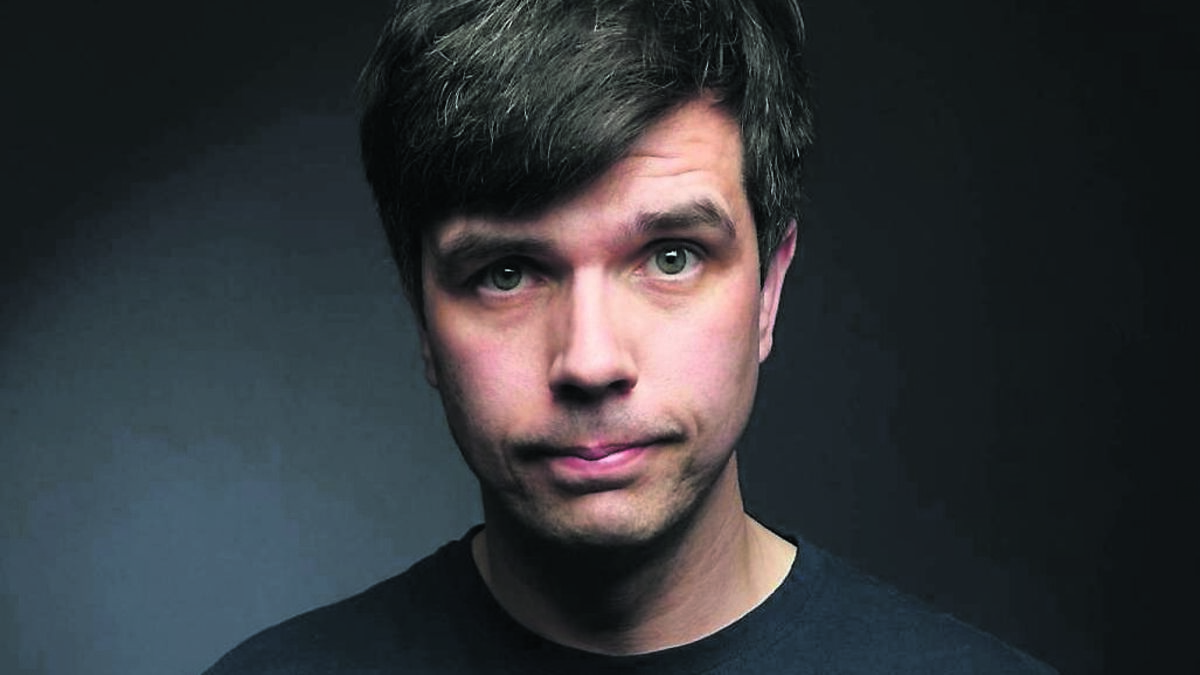
Chris Kent: "Growing up in Knocknaheeny, I have very fond memories of playing football and lots of other games on the street. It felt like a real community on the northside."
Chris Kent is one of Ireland’s leading comedians. Here, he tells us about his journey from the heart of the northside of Cork to performing on stages all over Ireland and beyond.
Q: Tell us a little about where you grew up, and what you imagined your future might look like when you were young.
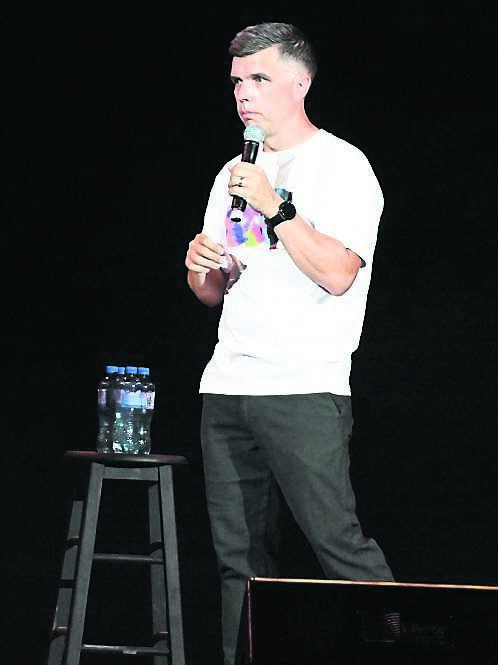
A: Today, I am a touring comedian, something I have dreamt of for a very long time. I’m so grateful that I get to do a job I love. Getting to perform in sold-out theatres all over the country is something I would never have imagined growing up.
I grew up on the northside of Cork city in Knocknaheeny. I knew from a young age that the area had a reputation for being rough. I feel like you were judged when people found out where you were from.
Growing up there, though, I have very fond memories of playing football and lots of other games on the street. It felt like a real community on the northside.
It lived up to its reputation in some ways, and sometimes you could use it to your advantage because people just assumed you could look after yourself because you were from Knocka’.
Another comedian, Des Bishop, has a great take about mindfulness and being in the present moment, and that’s all we did growing up. I can really relate to that because I don’t remember thinking too much about my future when I was hanging around with all my friends.
Even when I was about to leave school, I didn’t really know what I wanted to do. Everyone would say, “Get a trade and you’ll never be out of work,” so I kind of went along with that.
When I got offered my apprenticeship as an electrician, I was over the moon. My parents were very proud, and I completed that and got to travel. I spent a year in Australia, like a lot of Irish people. I worked on building sites and did a little bit of comedy at night. It was one of the best years of my life, but I was still excited to get home to Ireland.

Q: What first set you on the path towards the career or life you have today, and was there a moment when you realised, ‘This is what I want to do’?
A: Des Bishop was doing a TV show in Knocknaheeny called Joy In The Hood. He was teaching people how to do stand-up comedy. I didn’t do the show, but I knew some people on it.
I went to watch them all perform a stand-up show in St Vincent’s GAA Club. This was the first time stand-up appealed to me. It was seeing regular people try it for the first time.
That was my biggest inspiration. I pretty much knew straight away that I wanted to give it a go.
I started to go and watch them do gigs in and around the city. I never even knew the stand-up comedy world existed before that. I knew what stand-up comedy was, but I just never saw this side of stand-up comedy - people who were not famous getting up and trying to be funny.
I remember really wanting to be asked to give it a go. This never happened, probably because I was extremely introverted. I decided to give it a go myself.
I signed up for my first gig in a place called the ‘Tiki Lounge’, which was upstairs in Jim Cashman’s pub in the city. This was about 20 years ago now, and I can remember the feeling I got from making people laugh. It was an extremely addictive feeling, and I wanted to do it again despite being extremely nervous.
Q: Every journey has obstacles. What has been one of the biggest challenges you’ve faced, and how did it shape the person you became?
A: I think obstacles are inevitable when you’re chasing a dream. I chased my dream bit by bit.
In the beginning, I just wanted to get booked in every comedy club, just to do a 10-minute spot. When I achieved this, I wanted to get paid in every comedy club in Ireland, doing a 15- or 20-minute spot.
When I started to get booked regularly, I wanted to move up the bill in comedy clubs and start headlining. The goalposts kept moving, and soon I wanted to put on my own shows.
I wanted people to come and see me and write my own solo shows.
This all took years. There were plenty of obstacles along the way. Creatively, I was trying to write a new show every year.
When I started putting on my tours, I didn’t have a huge profile. My first tour was about six dates, I think, and I’m pretty sure we pulled two of them because I didn’t sell any tickets at all.
I was determined, though, and worked out new material in the clubs. I went out the following year and I think the tour might have been 10 or 11 dates, and we only pulled one. I was making really small, incremental steps, and the tours slowly got bigger.
I first moved to Dublin because there were more opportunities to gig. I spent four years there before moving to London.

The biggest challenge during this time was financial pressure, especially after moving to London. I was starting again, going back to doing 10-minute spots for no money, trying to get my foot in the door on the circuit over there.
It was extremely hard to keep going at times, when you’re struggling to pay the rent or your car breaks down and it feels like the end of the world because you don’t have any money to fix it. You really need to just hold on to the small victories and think, ‘my tours are getting a little bit bigger, and if I keep going in this direction, then it will all be worth it in the end’.
I think it has all stood to me, though. Looking back now, after 20 years of all the hard work in comedy clubs, trying to write a new show every year, I feel confident when I walk out onto the stage and the room is full of people who have come to see me.
I also know, at the end of a big tour, that I can start again and try to write a new show for the following year.
Q: Looking back, was there a particular person, opportunity, or decision that changed or shaped the direction of your life?
A: I think the decision to try comedy for the first time changed the direction of my life. But my wife also changed the direction of my life years later.
During the pandemic, comedy stopped because there was no work, and I went back to work as an electrician. It wasn’t really a choice to give up comedy; it was just out of my hands.
Initially, it was nerve-wracking, but after a few months back on the tools, I loved it. It was really good money, and I felt financially secure for the first time in a very long time.
As the gigs started to come back properly, I was extremely reluctant to let go of my full-time job as an electrician. I was really enjoying being back on the tools and the financial freedom it gave me. My wife could sense that I was maybe giving up on comedy a little. She knew I would regret it if I didn’t give it one more go.
It took a while, but she convinced me to hand in my notice and go full-time as a comedian again. It was a hard decision to make.
This time, I was backing myself and jumping, rather than being pushed out of a job by circumstances like I had been during the financial crash.
It was the best decision I’ve ever made.
My wife also encouraged me to put all of my content online, which I did. Luckily, I had recorded most of the shows I’d written, so I had a lot of material to work with.
Slowly but surely, I got a bit of a break online. That led to a huge sold-out tour, and eventually I was able to get another mortgage and buy a house anyway.
Looking back, I think I needed that push from my wife. I had convinced myself that the safe option was the right option, but she could see that comedy was still what I really wanted to do.
Q:. Your journey has taken you to where you are today, but what values, lessons, or sense of home have stayed with you along the way, and what advice would you give someone starting their own journey?
A: I think the main thing is just not to give up. We’re all on our own road, and, looking back, going back to work as an electrician was weirdly one of the best things that ever happened to me.
It took away some of the fear I had around having to get a ‘real job’ again. I realised that if comedy didn’t work out, I could always go back to the tools.
So when I eventually went back to comedy full-time, I was able to give it absolutely everything.
I’d say my sense of home is probably just working hard, staying grounded, and trying to help other people along the way.
Now that I’ve had a bit of success myself, I’m very conscious of how much other people helped me when I was starting out, so I think it’s important to give something back.
The advice I’d give anyone starting their own journey is simple: just start. Stop asking yourself when the perfect time is, because there probably isn’t one. If you keep waiting for the right moment, you might never do it.
Sometimes, you just have to take the first step and see where it leads.
Chris Kent’s new documentary premieres at Cork International Film Festival on November 18. He is also on tour with a new show, That’s All I Need Now, which will be at Live at the Marquee in June next year.

App?