‘End of an era’: Religious order leaves Cork after 200 years
The Religious Sisters of Charity are withdrawing from Cork after serving the city for 200 years. COLETTE SHERIDAN finds out about the order and their work from members of the Friends of Mary Aikenhead.
‘End of an era’: Religious order leaves Cork after 200 years

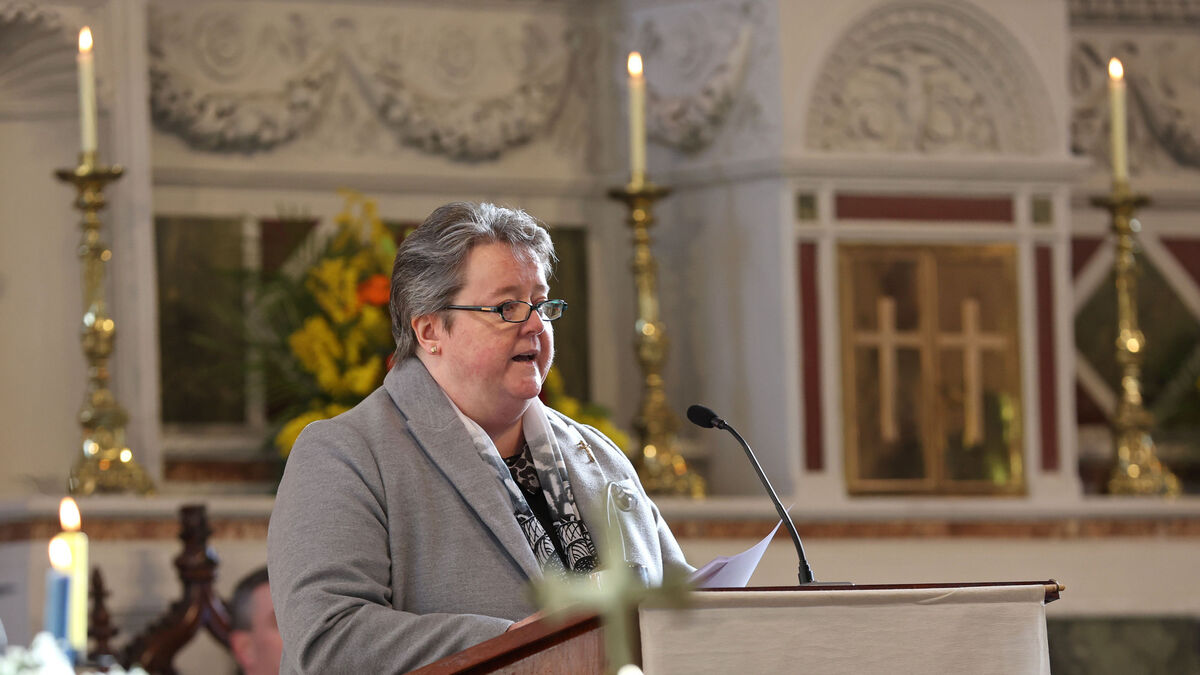
Sr. Patricia Lenihan, Congregational Leader at the  Eucharistic celebration in thanksgiving for the presence of the Religious Sisters of Charity in Cork 1826-2026, at St. Finbarr's South Church, Dunbar Street, Cork. Picture: Jim Coughlan.
After 200 years of service in Cork, looking after the poor and educating them, the Religious Sisters of Charity (RSC) are withdrawing from the city as the order is dying out.

But the Friends of the founder of the order, Cork-born Mary Aikenhead, are determined to keep alive the history of this pioneering woman who was born into a wealthy family in Daunt Square off Grand Parade. She was deeply affected by the poverty she witnessed and determined to do something about it.

Mary Aikenhead (1787-1858) was the daughter of a Protestant doctor, David Aikenhead, of Scottish origin, and Mary Stacpole, a Catholic from a well-off background. At the time, in a mixed marriage, the children had to be reared in the Protestant faith.

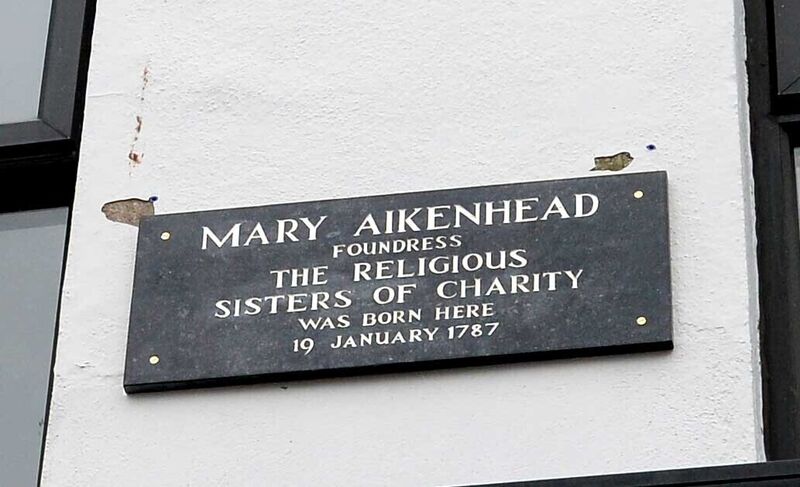
A plaque dedicated to Mary Aikenhead, foundress of the Religious Sisters of Charity, in Daunt's Square, Cork. Picture: Denis Scannell

Frail and possibly asthmatic, it was recommended that Mary be fostered by a nanny, Mary Rourke, living on higher ground on Eason’s Hill, Shandon. The nanny was a devout Catholic, and it is thought that young Mary was secretly baptised as a Catholic by her.
When Mary was about nine, she began to spend a lot of time with her maternal grandmother, where she was exposed to Catholic beliefs and practices. Her father had a deathbed conversion to Catholicism, and Mary was formally baptised a Catholic in 1802.

While staying with a friend, Anna Maria Ball in Dublin, Mary witnessed widespread unemployment and poverty and began to accompany her friend, visiting the poor and sick in their homes.

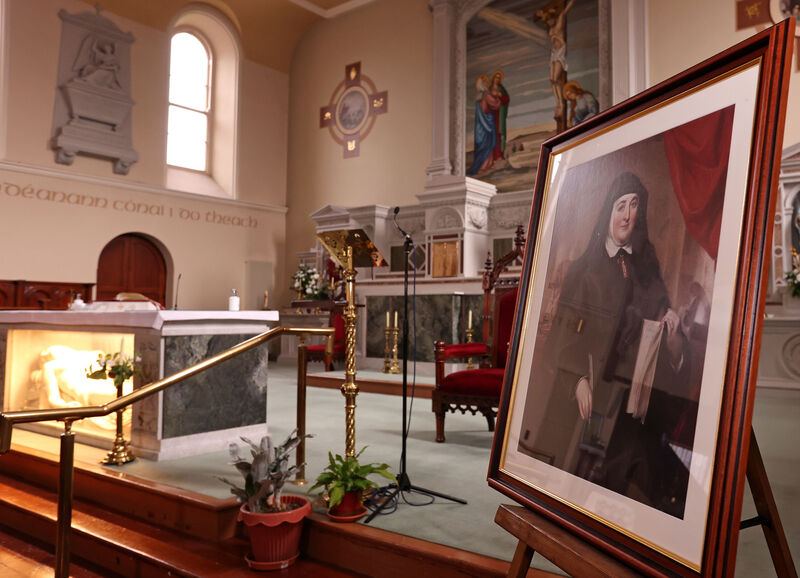
 Portrait of Mary Aikenhead, on the altar a the eucharistic celebration in thanksgiving for the presence of the Religious Sisters of Charity in Cork 1826-2026, at St. Finbarr's South Church, Dunbar Street, Cork.
Portrait of Mary Aikenhead, on the altar a the eucharistic celebration in thanksgiving for the presence of the Religious Sisters of Charity in Cork 1826-2026, at St. Finbarr's South Church, Dunbar Street, Cork.

Mary, while active as a charity worker, failed to find a religious institute devoted to charitable work. With the help of Archbishop Daniel Murray of Dublin, who was a friend of Anna Maria, she set up the RSC, having been a novice from 1812 to 1815, at a convent in York.
On September 1, 1815, the first members of the new institute took their vows. Added to the three traditional vows of poverty, chastity and obedience was a fourth vow; the members would devote their lives to the service of the poor.

The first RSC convent opened in North William Street in Dublin. Mary opened a school in Gardiner Street. (She would go on to establish St Vincent’s Hospital in Dublin in 1834 with Archbishop Murray).

In November 1826, members of the order came to minister in Cork, where typhus fever and cholera were rampant. Two hundred years later, there are just two retired sisters left in St Anthony’s on St Mary’s Road on the northside, which replaced St Vincent’s.

Marion Healy is one of four women in Cork who are Friends of Mary Aikenhead

Marion Healy was principal of St Vincent’s Primary School in Cork for 14 years, having worked in the school for 20 years before that. She retired in 2014.
“There are no religious sisters involved in St Vincent’s primary and secondary school anymore and there hasn’t been for many years,” says Marion. “I was the first lay principal. At that stage, the sisters had decided they couldn’t keep going in the schools.”

She is one of four women in Cork that are Friends of Mary Aikenhead.

“We will continue to meet, and we go to Dublin occasionally to liaise with the sisters there.”

Marion says Mary was influenced by the parable of Dives and Lazarus, which is about a rich man who won’t give anything to poor Lazarus begging at his gate. This seals the rich man’s ultimate terrible fate.

“Mary Aikenhead had ideas far ahead of her time. She really believed in being trained and went to a convent in York for that. She could have joined the Presentation Sisters or the Ursulines, but she didn’t want to because they were enclosed orders. Her vision was to go out onto the streets to help people. And the only alternative was to start an order with the help of Archbishop Murray.”

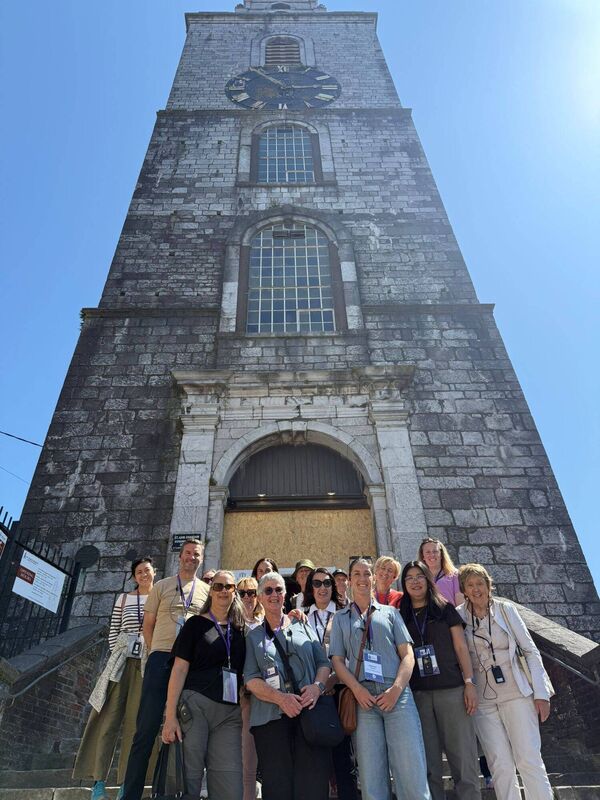
A group of visiting Australians in Cork on the Mary Aikenhead trail.

Another Friend of Mary Aikenhead is Breda Galvin, who taught business studies and later, religion, at St Vincent’s Secondary School.
“I was very impressed from the outset with the pastoral care by the sisters of the students,” says Breda. “It was uppermost in the ethos of the school. Some students who may not have had all they needed would be looked after quietly. People wouldn’t be aware they were getting help.”

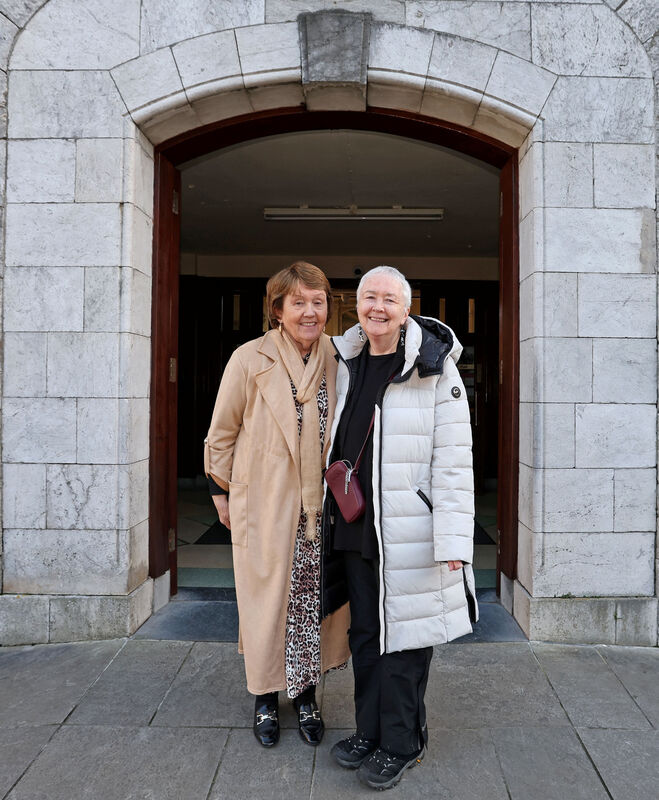
 Ita Duggan and Marion Healy, both Friends of Mary Aikenhead at the eucharistic celebration in thanksgiving for the presence of the Religious Sisters of Charity in Cork 1826-2026, at St. Finbarr's South Church, Dunbar Street, Cork.
Ita Duggan and Marion Healy, both Friends of Mary Aikenhead at the eucharistic celebration in thanksgiving for the presence of the Religious Sisters of Charity in Cork 1826-2026, at St. Finbarr's South Church, Dunbar Street, Cork.

Breda became a Friend of Mary Aikenhead when the sisters “were becoming fewer in number and there were fewer sisters coming to teach in the school”. 
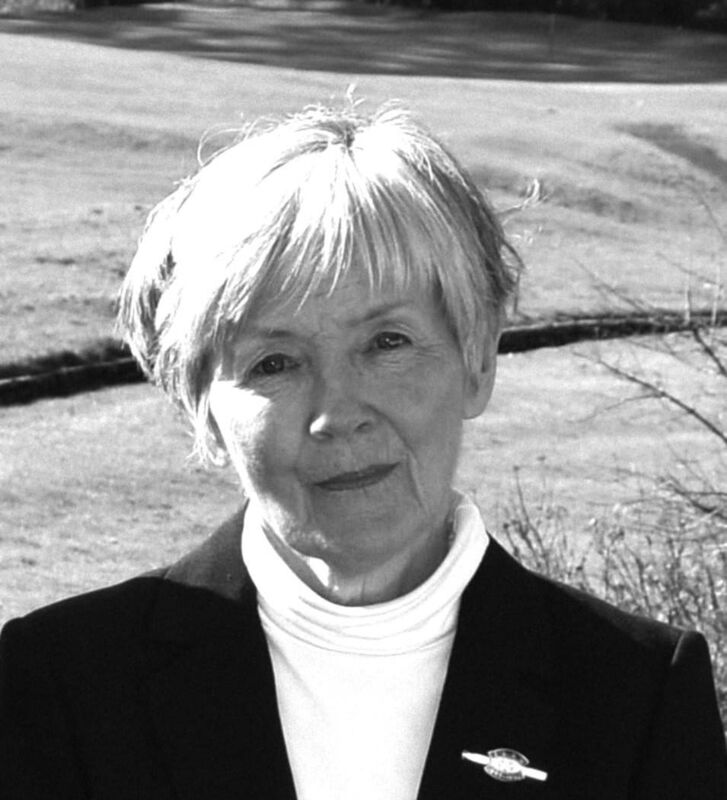
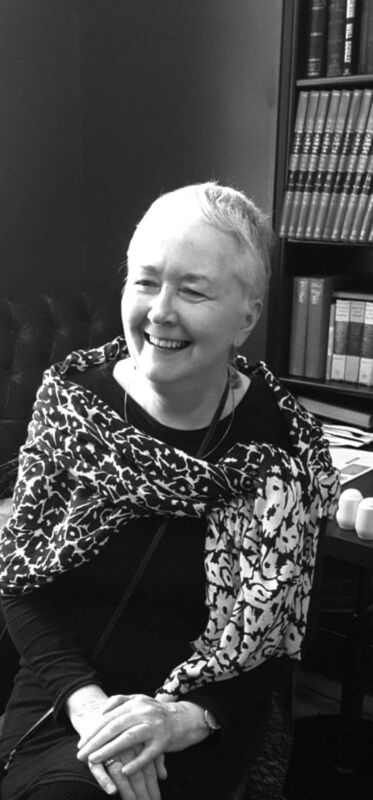
Breda Gavin became a Friend of Mary Aikenhead when the sisters “were becoming fewer in number and there were fewer sisters coming to teach in the school”. 

She added: "I suppose the writing was on the wall for a lot of religious sisters. I was aware of a very active Friends of Mary Aikenhead group in Harold’s Cross in Dublin where the hospice is. They said it would be nice to have a group in Cork. A small group of us became Friends. Today, visitors come to Cork to do the Mary Aikenhead trail. It’s actually quite humbling when you meet a group of 20 people coming over from Australia to walk in the footsteps of Mary Aikenhead when she lived in Cork.”
Breda is saddened by the closure of the RSC, but says it’s inevitable.

“They’re very practical about it. A lot of the services the order provided are now provided by the government.

“It’s important that Mary Aikenhead’s story is kept alive. I hope that we’ll be taking local people on the Mary Aikenhead trail, which takes in Eason’s Hill, Daunt Square (where her home was in what is now Morleys), Christchurch (now part of Triskel) where her parents were married, and Rutland Street (where the Aikenhead family moved to.)”

Ita Duggan, a Friend of Mary Aikenhead, was the home/school liaison co-ordinator at St Vincent’s for 17 years.

She is saddened by the cessation of the RSC in Cork. “It’s the end of an era,” says Ita.

“People on the northside of Cork are particularly proud of Mary Aikenhead. Her motto was: ‘The love of Christ inspires us’.”

Read More

Nun Frances’ epic journey from Crimean War to Carrigtwohill
John Arnold: My pilgrimage to hail Derry girl Clare, truly a saint of our times

More in this section

3 homes with wonderful sea views on sale now in Youghal 3 homes with wonderful sea views on sale now in Youghal
My Weekend: 'Being in hospitality, you learn to live without weekends' My Weekend: 'Being in hospitality, you learn to live without weekends'
The Village Pubs of Cork: 'We read about Irish pubs closing: we decided to take one on' The Village Pubs of Cork: 'We read about Irish pubs closing: we decided to take one on'

Sponsored Content

Turning risk into reward: Top business risks in 2026 Turning risk into reward: Top business risks in 2026
Top tips to protect Ireland's plant health Top tips to protect Ireland's plant health
River Boyne in County Meath, Ireland. Water matters: protecting Ireland’s most precious resource
Contact Us Cookie Policy Privacy Policy Terms and Conditions

© Examiner Echo Group Limited

Add Echolive.ie to your home screen - easy access to Cork news, views, sport and more