In the garden: Time to enjoy woodland walks...and think about planting a tree
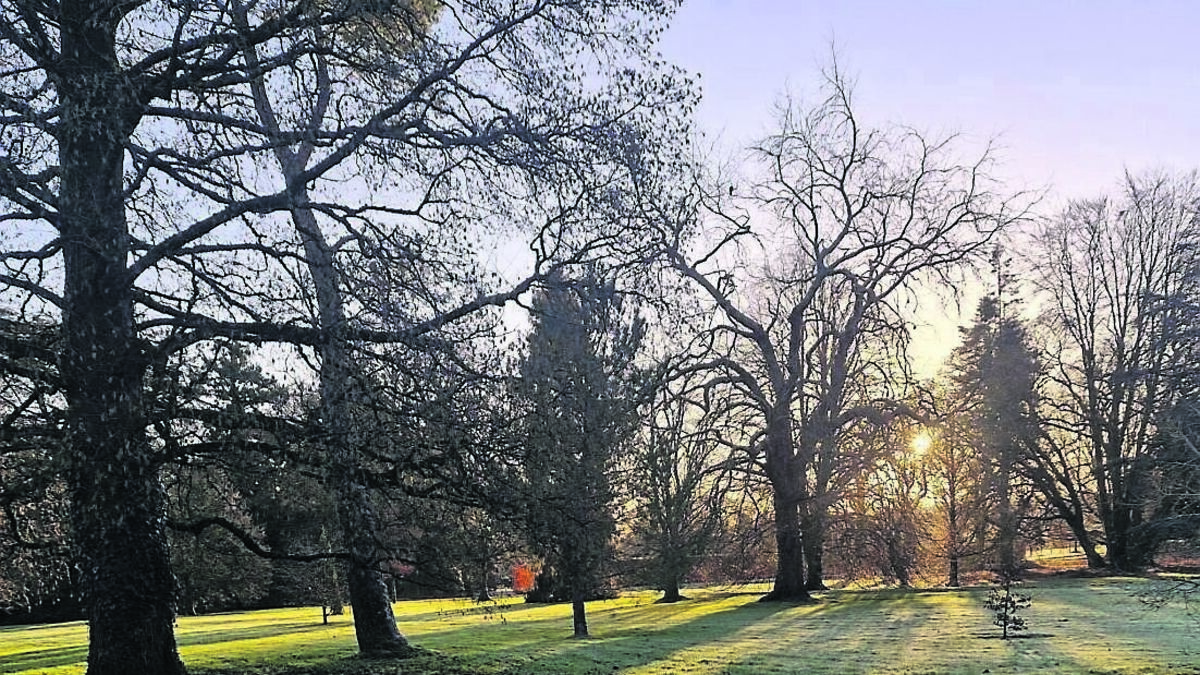
Low winter sunshine showcasing deciduous trees branching structure this January.
The frosts have arrived and we have had a number of nights dipping below zero over the last week.
We need some hard frosts to bring pests and disease into balance in the garden, and also the periods of cold are needed to induce hibernation, stimulate germination of seeds at a later stage, and trigger flowering and growth later on in plants.
Basically, plants need to register that they have gone through a cold spell to know that winter has happened and now it is time for growth.
Our native plants have adapted to survive winters, but some tender plants not native to this country will need some protection in the form of horticultural fleece or by being brought indoors to the glasshouse, polytunnel or conservatory to enable them to survive.
Our climate is a temperate one, and thankfully we do not experience too many extremes of temperature.
Winter woodland walks have a particular beauty at this time of the year. With the leaves stripped from the branches, the bark stands bare and larger trees are majestic in their size and span, more noticeable now that the light is coming through and branching patterns can be observed.
It is interesting to notice on frosty days that the area under a tree, often circular in shape if it is a specimen tree, does not freeze as the overhead branching canopy of the tree acts as an insulator, not allowing heat to escape from the ground and increasing the temperature under the tree.
Trees serve such an important role in our landscapes and we need to consider planting more of them to improve air quality, enhance ecosystems and habitats, soften urban environments, and help to negate some of the aspects of global warming which we are experiencing more commonly.
There is no doubt that the existence of trees and vegetation helps to soften the appearance of lots of hard landscaping and they provide some protection against the effects of wind and rain, enhancing microclimate.
The roots in the soil help to prevent erosion as well as providing an outlet for water through absorbing it up through their roots and transpiring it out through their leaves.
When considering tree planting early this year, it is important to take a number of factors into consideration.
Firstly, consider what space is available for planting, and then allow for height and spread of the tree as it grows and matures.
This is one of the most important factors to avoid having to cut a tree down after 10 years when it has grown and filled the space and perhaps outgrown the space.
Lots of our native trees are large parkland specimens such as oak, ash, alder and scots pine and this makes them unsuitable for a suburban garden setting.
There are many of our native trees which are smaller in size that can also be coppiced, making them more suited to a confined space where there may be buildings nearby also.
Hazel, holly, mountain ash, whitebeam, whitethorn, blackthorn, spindle and guelder rose all spring to mind, some of these being more shrubby in nature than tree-like.
If space is tight, then a shrub can be planted and made to give the appearance of a tree after a number of years by raising the lower branches and lifting the crown.
There are ways around everything and we do not have to choose native plants, there are plants from all over the world available to us.
We do, however, where possible, need to choose plants that will do best in the environment that we are providing them.
Now, in the middle of winter, gives a good idea of the most challenging winter conditions. Frost pockets will be obvious at this time of year and observing parts of the garden that do not defrost on these short winter days, when the sun is low in the sky and sets early, will give a good indication of chillier spots.
There is simply no denying that living among a more vegetated setting is cooler in hot summers, more sheltered in stormy and frosty winters, and more colourful and interesting all year round, and particularly during the spring and autumn months for deciduous trees.
We have a few months yet to get roots into the soil during this prime tree planting time of the year so consider what tree might be best for your garden this year.
Assess your soil and your garden carefully before choosing the tree, to ensure a better opportunity for establishing the right one in the right spot, which will go on to provide decades of enjoyment.
Plant of the Week
A tree providing several seasons of interest in the garden is Tilia cordata ‘Winter Orange’.
It can get up to 10 metres tall with a spread of 8 metres, with a columnar growing habit.

It has heart-shaped leaves characteristic of limes which turn a buttery yellow in autumn.

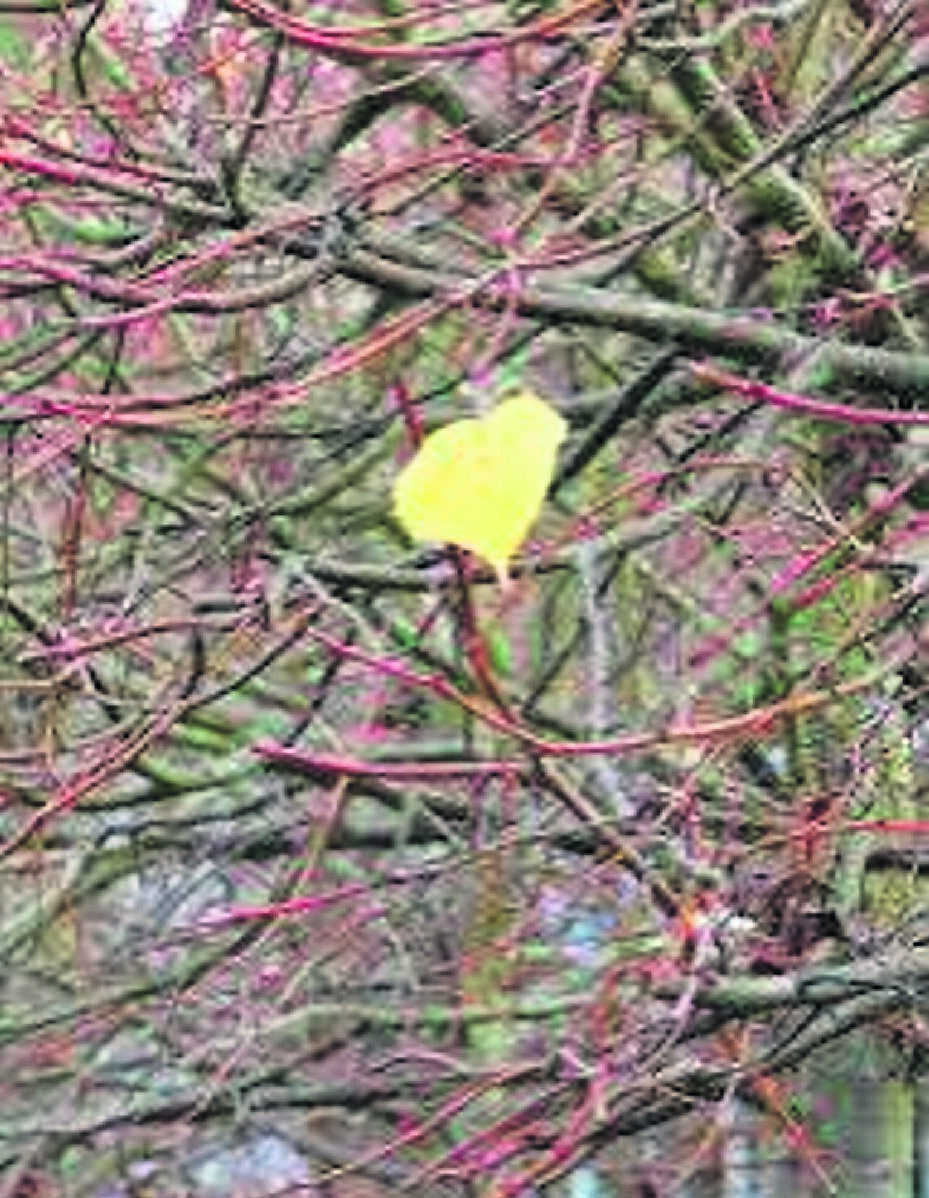
The winter interest is provided in the form of its orange young branches, one and two years old, which provide vibrant colour throughout the winter months. The fragrant flowers in summer are a favourite among bees.
This is a hard-working tree in the garden, providing lots of interest throughout the year. It will grow best in a sheltered site in full sun or partial shade in a free-draining soil.
It does need quite a bit of space so is better suited to a larger garden and can often be seen planted to give an avenue effect.

App?