'It’s difficult to fully know where ideas come from': Cork hosts workshop on crime writing
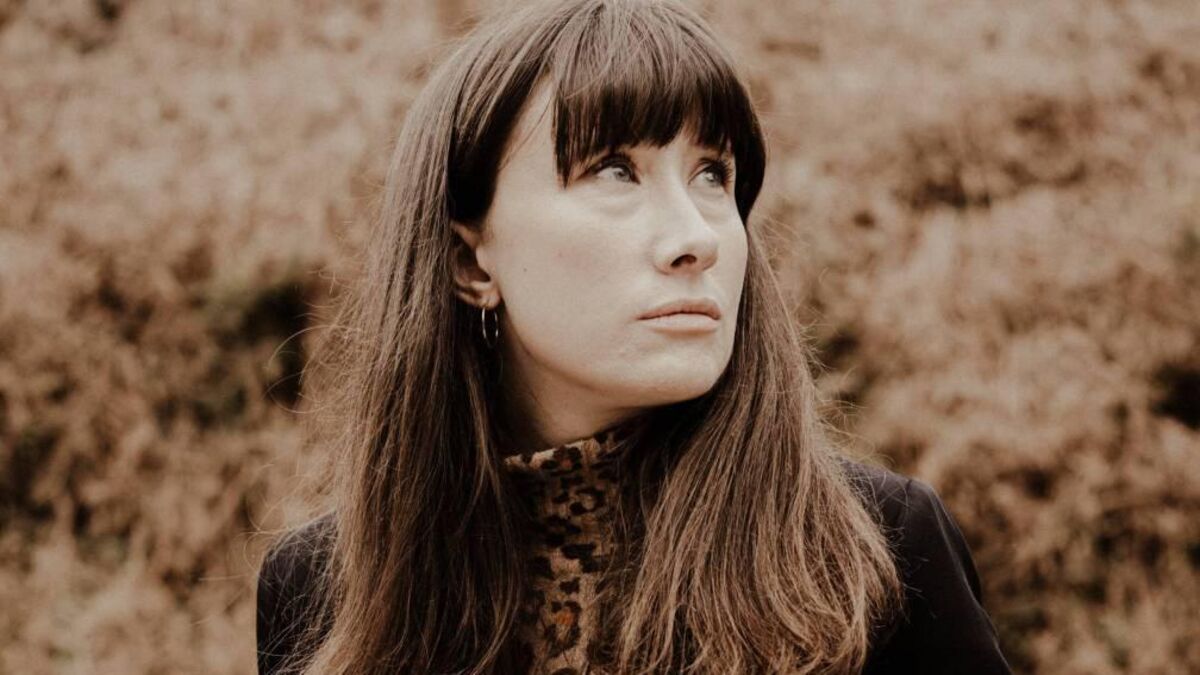
Louise Hegarty, one of the writers participating in the Crime Writing Workshop
Crime writing is experiencing a heyday in Ireland, with Cork authors like Catherine Kirwan. Kevin Doyle, and Catherine Ryan Howard at the forefront of the charge.
“Crime writing has long held a strong appeal for readers, and its popularity in County Cork reflects both a global fascination with the genre and a local appetite for compelling storytelling,” says poet, creative writing facilitator, and co-founder of the Wild Atlantic Way Writers Consultancy, Matthew Geden.
Now a Crime Writing Workshop and Murder Mystery Dinner is taking place in Cork next month, to tap into this passion.
Other Irish crime writers to have gained popularity in recent years include John Connelly, Tana French, Declan Burke, and Liz Nugent. “Readers are drawn to crime fiction because it combines narrative drive with intellectual engagement: a mystery to solve, a puzzle to unravel, and a sense of order restored at the end,” explains Matthew.
“In Cork, where oral storytelling traditions, strong local character, and an awareness of place remain central to cultural life, crime writing offers a way to explore human behaviour, moral choice, and social change through gripping narratives.”
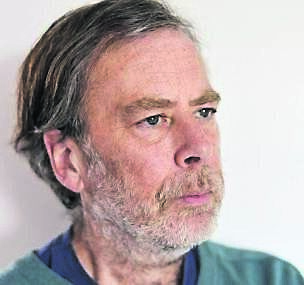
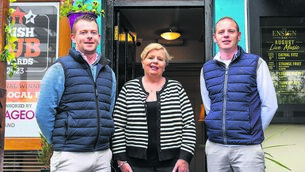
The Crime Writing Workshop takes place at Courtmacsherry Hotel on Saturday, February 21. The participating writers are Kevin Doyle and Louise Hegarty. It is followed by a Murder Mystery Dinner. The event is organised by the Wild Atlantic Way Writers Consultancy.
“What many readers enjoy most about crime writing is its accessibility,” Matthew said. “Unlike some literary forms, crime fiction invites immediate immersion, encouraging readers to follow clues, question motives, and anticipate outcomes.

“It creates an active relationship between writer and reader, where the audience becomes part of the investigation. This participatory quality, combined with suspense and pacing, makes crime writing especially engaging across a wide range of ages and backgrounds.”
Matthew says crime writing also differs from other forms of writing through its structure and discipline.
“Plot is paramount, requiring careful construction, logical progression, and a balance between revelation and concealment.
“At the same time, the best crime writing goes beyond the puzzle, using crime as a lens to examine society, justice, power, and personal vulnerability.
“Contemporary crime fiction often reflects real-world concerns, making it both entertaining and socially resonant,’ he said.
“The enduring popularity of Agatha Christie’s The Mousetrap demonstrates the timeless appeal of these elements. The play succeeds because of its elegant plotting, memorable characters, and perfectly paced suspense. Audiences delight in being misled, surprised, and ultimately rewarded with a clever resolution. Its closed setting, universal themes, and emphasis on human psychology ensure that it remains as compelling today as when it first premiered, continuing to captivate audiences generation after generation,” he added.
The Golden Age of Crime Writing is generally regarded as between 1920 to 1939. “This era saw the likes of Arthur Conan Doyle and Agatha Christie being published,” says editor and co-founder of the Kinsale-based Wild Atlantic Way Writers Consultancy, Isobel Creed.
“These created a template for detective fiction set against the backdrop of an English country house.
“During this time, a set of conventions were established for the whodunnits which were popularised by writers such as Agatha Christie. The rules of detective fiction were set down in 1929 by Ronald Knox in his ‘Ten Commandments’.”
Famous crime writers from the literary canon include Agatha Christie, Arthur Conan Doyle, Raymond Chandler, Dashiell Hammet, Patricia Highsmith, PD James, Elmore Leonard, James Patterson, Lee Child, Val McDermid, Gillian Flynn, Harlen Coben and Ian Rankin.
“Crime writing is perennially popular because it enables the reader to look to the darker underbelly of the world in a way that is safe and controlled,” said Isobel. “There will always be a fascination with transgression and death.
“Crime literature allows the reader to see through the eyes of characters they would be afraid to encounter in real life. It also engages the reader in solving a puzzle. This provides an immediate hook in the novel.
“The conventions of locked room mysteries provide a template which means the reader doesn’t experience any shocks, so this style of crime novel is peculiarly comforting.”
Novelist Louise Hegarty, author of Fair Play, said: “I think, for most crime writers, they wish to write something that on the one hand is thrilling and engaging while on the other hand grapples with the human condition or adds social commentary.
“I suspect most crime writers start with the ending first: deciding what the crime is, the identity of the killer and what is their motive. Then, building the world around that conclusion: the suspects, clues, and red herrings.
“It’s difficult to fully know where ideas come from,” she added. “Sometimes, they can be instantaneous - a flash of inspiration - but a lot of the time it is the culmination of ideas and thoughts and events over the space of several years (or indeed, a lifetime).
“I have always been a fan of detective novels and though I never imagined writing one, it is a genre that I understand well.”
As regards her novel Fair Play, Louise’s influences included watching The Singing Detective on TV as a child and coming across the 1973 film The Last of Sheila.
“I had been thinking a lot about narratives and the stories we tell ourselves to make sense of the world, especially when something shocking or difficult to understand has occurred.”
As she started to explore these ideas a little more, she realised the familiar structure of a whodunnit created the perfect environment to explore emotions around death and grief.
Louise concluded that she finds that having a good outline to begin with, and having an idea of the ending, is very helpful when writing.
“You really find a novel during the writing process, but having a path to follow and something to aim for makes the process easier.”
- For more about the workshop and dinner, contact www.wildatlanticwaywritersconsultancy.com

App?