What food trends can we expect in 2026?
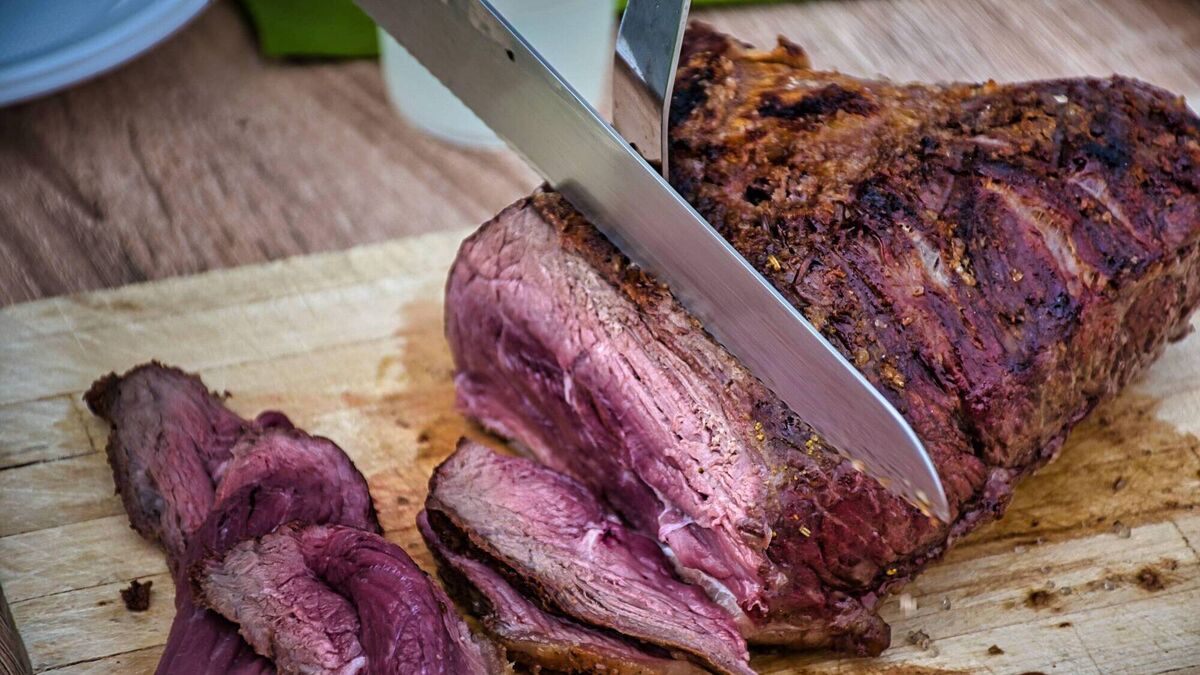
2026 will see a continued focus on protein.
A packet of crisps and a chocolatebar just don’t quite do the trickanymore it seems. Neither does a simple apple, eaten while you run for the bus. Instead, we now want more from our snack options (especially when the price of them has become so extortionate): more protein, more fibre, more nutrients in general, and definitely less sugar and salt.
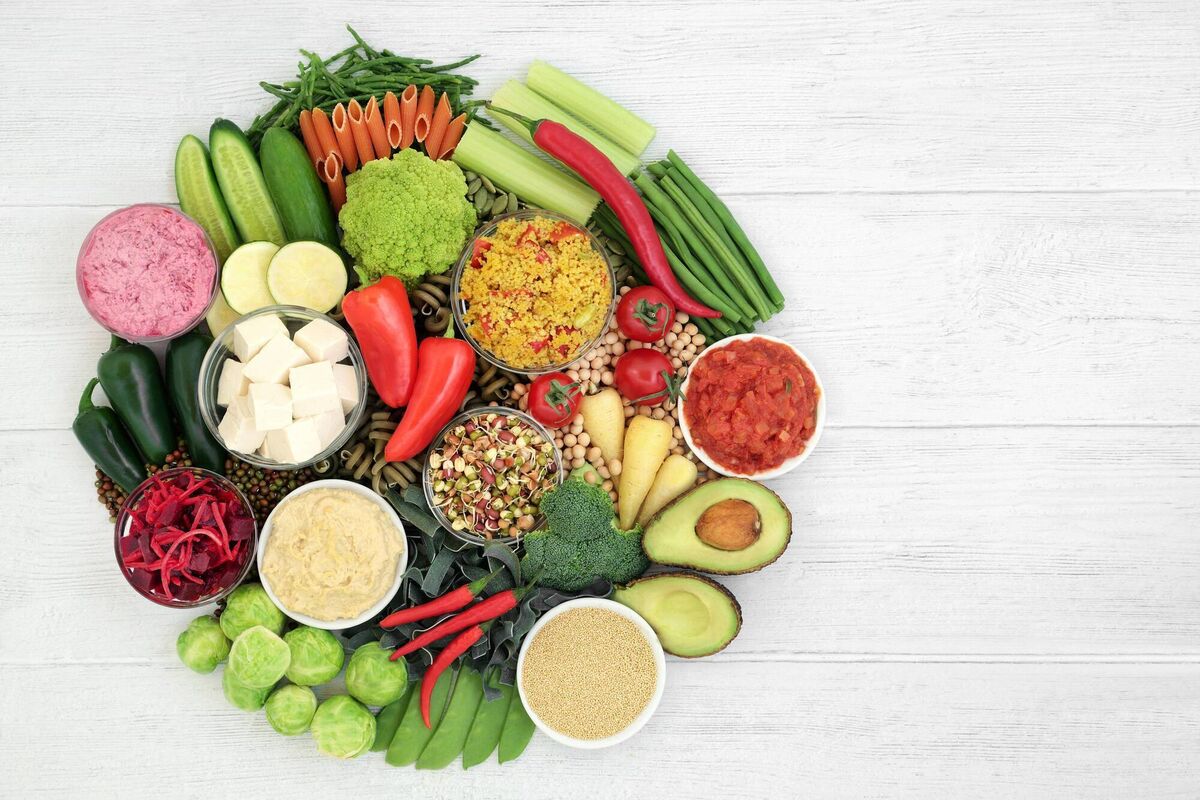
However, just because something says it’s healthier, doesn’t necessarily mean it is, and snacks — even the so-called good-for-you ones — can be highly ultra-processed. So whether you’re opting for protein-packed lentil cakes or chocolate salted caramel vitamin bars, always read the label and look out for anything that sounds more like a chemical than a real food ingredient.
We’re all meant to eat around 30g of fibre a day, but most of us only manage about 20g, which is worrying when fibre is vital for helping to ward off heart disease, stroke, type 2 diabetes and bowel cancer, according to the NHS. “Fibremaxxing” on TikTok, which focuses on hitting and even exceeding the 30g target, has kickstarted a trend that is set to continue into next year. Fibre is going to have a running mate when it comes to which core food group to focus on though. As showcased in our ongoing penchant for high-protein snacks, many of us will be going big on protein in general (Joe Wicks’ new cookbook, , has hit the trend bang on). That doesn’t mean it’ll be steak for dinner every night, apparently pork (cheaper, leaner) is on the up in terms of popularity, as is tempeh. Made from compressed soybeans, tempeh is great stir-fried with a punchy dressing, or crisped up in the air fryer.
Everyone likes to be able to say, “Oh yeah, I ate that in XXX exotic place, three years ago”, implying just how ahead of the curve they are. So ideally you’ll have visited Mexico, Korea, Malaysia or Brazil in recent years, and can rave about all the culinary tips you picked up while there. We are all going to be lapping up the fruity/spicy flavours of Mexican cuisine, particularly the tangy condiment chamoy, as well as ssamjang from Korea, which is more savoury and spicy than fruity. New to Malaysian cooking? Start with a rendang curry and then dip into by Aim Aris and Ahmad Salim (out in March). For a taste of Brazil, find yourself a Brazilian barbecue or steakhouse joint, like Preto and order the picanha cut, and traditional black bean stew, feijoada.
Instead of running to Tesco Express on a Saturday morning, people are turning to their freezers for pretty much everything, from the usual ice cream to croissants and chopped garlic. In fact, we’re generally getting more prepared than ever to avoid splurging at the cornershop, or in moments when we’re convinced there’s nothing in the house to eat. Now, there almost always is, and if we haven’t batch cooked and meal prepped ourselves into a state of food serenity, we will have beautifully packaged farm shop items (yes, everyone is going to continue being obsessed with sardines in wallpaper worthy boxes), frozen chopped veg and storecupboard essentials on hand, as well as the skills to make a fridge raid meal in under 30 minutes (thank you Instagram). Pot noodle suppers are no longer the one.
The Italians have long valued bitter flavours, from astringent leafy greens to olives and of course,
Negronis, and it appears we will finally catch up this year.
Negronis are having a real
moment, but if you want to broaden your bitter palate further, investigate the veg aisle. Artichokes, radicchio, watercress and even the humble Brussels sprout all lean towards the bitter (not twisted) end of things.
Pick up any cookbook at the moment and you’ll likely notice that beans – not the Heinz version – and legumes are in practically everything.
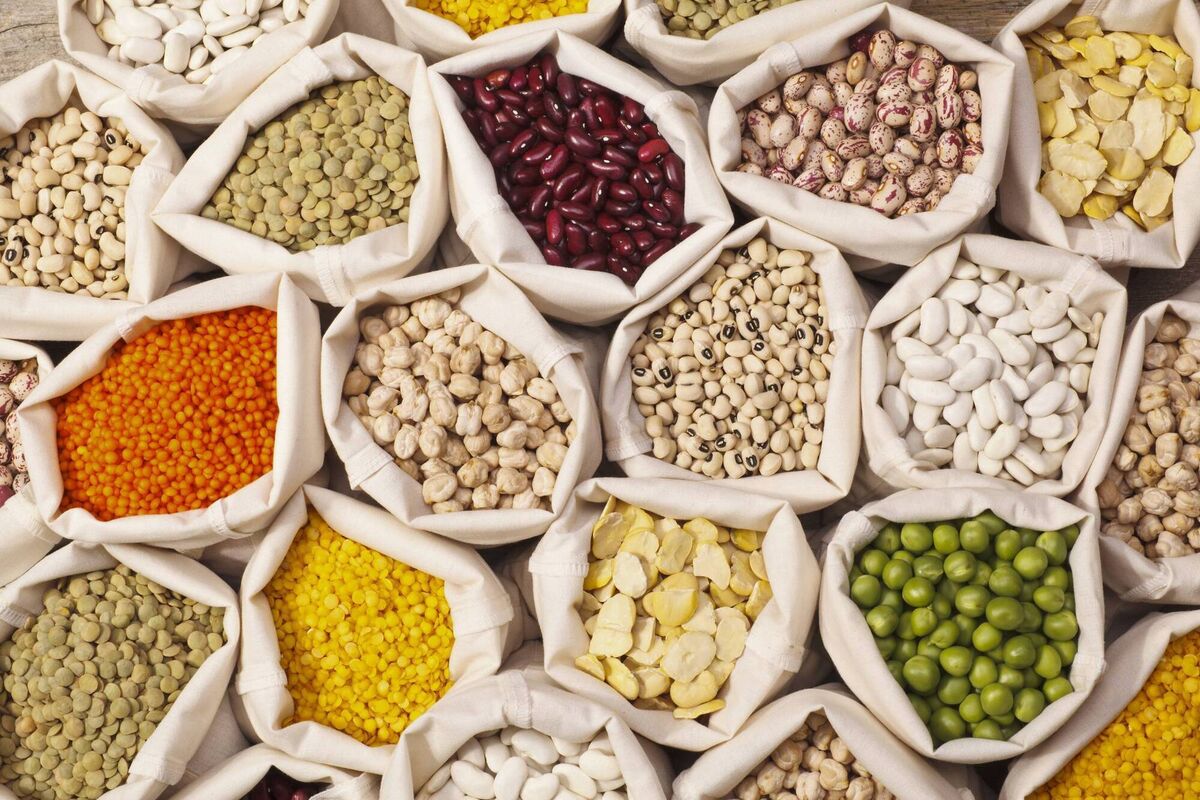
Soups, stews, risottos, mashed in place of potatoes, chucked in salads, crisped up the oven to snack on instead of crisps, from haricot to butter beans, chickpeas to black beans – beans are seriously in vogue. Partly, we can put this down to the Bold Bean Co selling plump, delicious versions in jars, but also, they’re super-affordable, speedy to cook and incredibly versatile. Oh, and they’re packed with protein, fibre and are brilliant for gut health — another food focus that is going absolutely nowhere.







 App?
App?


