Hurrah! The first snowdrop of spring has emerged already
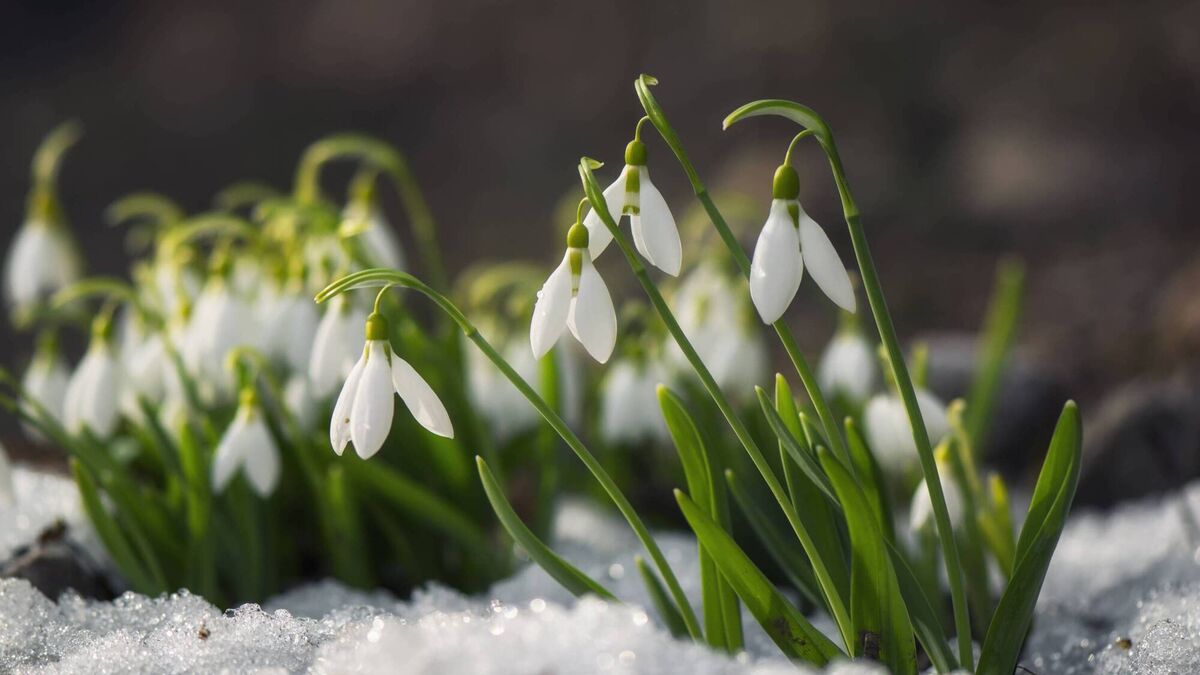
Snowdrops blooming in winter. Picture: iStock
The garden is to a large extent sleeping right now. The leaves have fallen from the trees, bare branches prevail, and the garden is stark at the end of December.
Then, on closer inspection, there is always something of interest that catches the eye when you walk out through the space at this time of year.
The calendar throughout the year is full of garden-related deadlines and milestones. When roses should be pruned, spuds planted, getting tulips into the soil before the end of November, last frosts, first frosts, first daffodils, first daphne flowers...
Different elements in our own gardens become excellent indicators of the passing of time.
Gardens can also be very nostalgic places where we gather plants that we love for different reasons, often they may be associated with a loved one or a friend that gifted them to us, and we are reminded of that person when they flower or emerge from the soil.
All of these details make our gardens very personal spaces which we cherish and enjoy spending time in.
It is all in the detail in winter, it is a time of year when we need to slow down and observe the smaller things.
The detail I noticed during the week was the first snowdrop pushing up through the soil to flower, much earlier than usual, but it is in a sheltered part of the garden.
Snowdrops herald the first signs of growth and spring and are a welcome arrival for gardeners.

I always associate snowdrops and the Christmas rose (Helleborus niger) together as they are both in flower at a time when there is little else stirring in the garden.
Cutting back the leaves of the helleborus is one of the last jobs I like to do before the Christmas break. It is heartening to see the flowers emerging in January and when the old leaves are cut off, the flowers can be seen without the distraction of the tired old foliage.
Seasonal bedding is more often associated with summer than winter grown plants. Planting up a few pots where they will be encountered frequently can provide interest, scent and some hope at this time of year.
There are some reliable winter combinations of plants that can be used in pots for display to cheer up entrances and patios.
Vibrant stem colour is an important winter attribute, particularly for dogwoods, rubus and willows.
Willows and rubus by their nature get quite big and so are not entirely suitable for planting in pots, but some dogwoods will enjoy a few years in a pot before needing transplanting into the ground.
There are red, orange and lime green stems which look great mass planted in large drifts, but also give a pot a lift, providing colour and some height as well.
The red stemmed is Cornus alba ‘Siberica’, the best orange is Cornus ‘Midwinter Fire’ or Cornus ‘Annys Winter Orange’, and the lime green stemmed cultivar is Cornus sericea ‘Flaviramea’.
It is the new young stems that provide the most vibrant colour and so it is recommended that they are pruned regularly in late spring ideally.
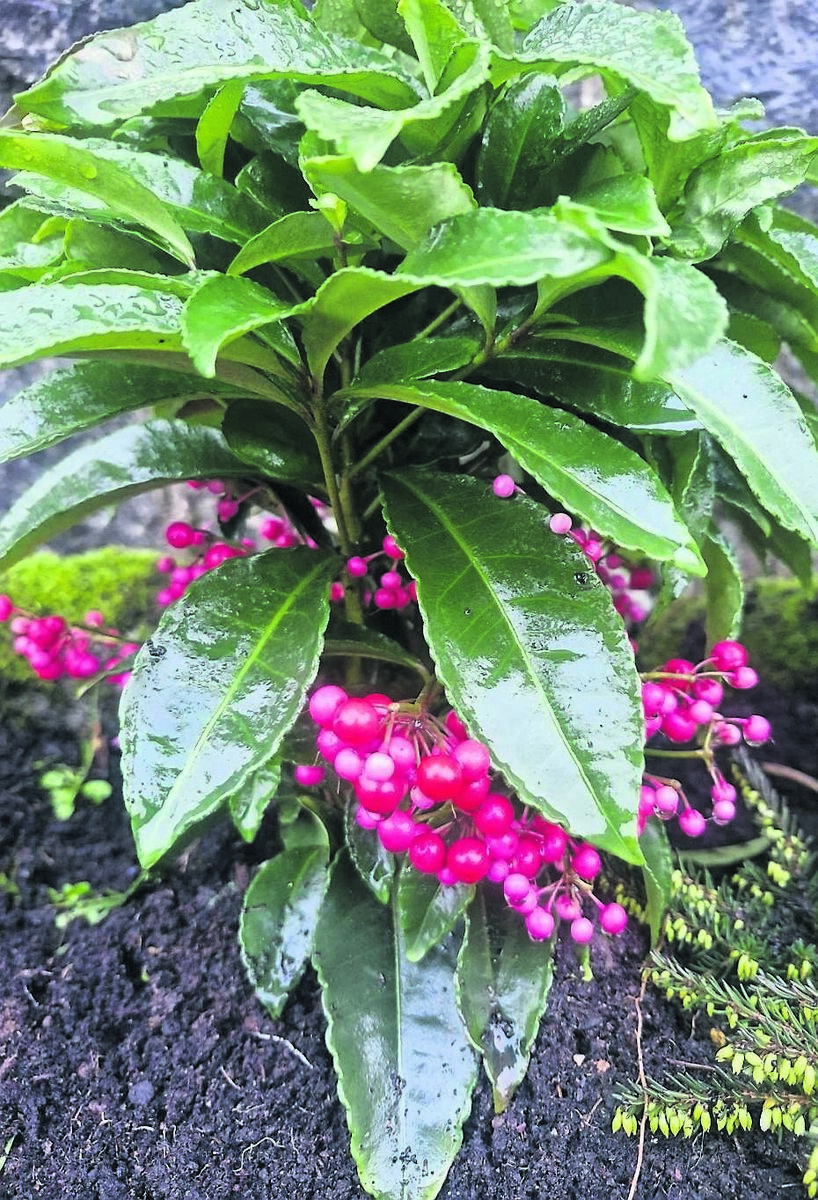
Ardisia crenata, or coral berry, is a very festive- looking plant and useful for its red and white berries at this time of year. It is native to east and south Asia and would be more accustomed to a tropical climate in its native habitat.
It is not considered frost-hardy in Ireland, needing 10 degrees for best growth, but it is used as a house plant and to provide seasonal displays.
It can be grown outdoors during the summer months but it is advisable to bring it indoors for the winter months. It has glossy green leaves and bears clusters of red berries.
It is great to get some new plants to try in pots - it is trial and error with the Irish winter.
Hybrid cyclamen, which are grown for their showy displays of red, pink, white and purple flowers, are stalwarts for the festive season, but they do not cope well with the frost so keep the horticultural fleece handy for those frosty nights and cover any pots that are planted to protect the flowers and prolong the display.
Whatever pots are planted with winter displays, do not forget to underplant with some spring bulbs to add an extra layer, which will appear when soil conditions become more conducive to growth.

Whatever your preference, enjoy the pot plant display this holiday season!
Plant of the Week
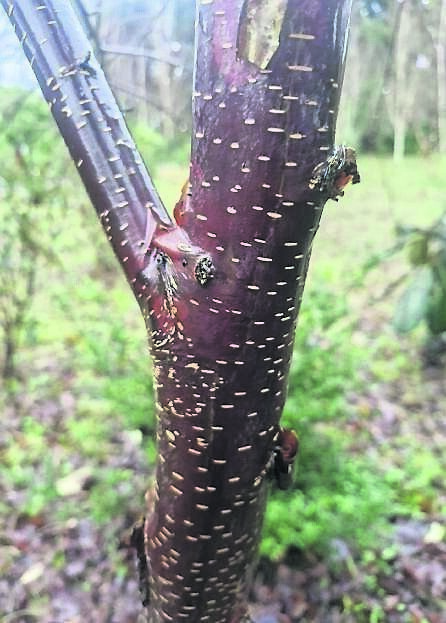
Stems and trunks of trees become more noticeable now that the leaves have fallen and the garden is stripped back.
Birch are a great winter interest tree and provide beautiful coloured and textured bark.
Betula utilis ‘Chris Sanders’ has a richly coloured dark purple/brown/red base bark colour which is adorned with raised white lenticels, and as the bark matures it becomes cloudy and white and begins peeling.
In addition, it bears long, soft, yellow catkins on bare branches in springtime. Lots of seasons of interest for this beauty.
It is considered a medium sized tree and can get to about 10 metres with a spread of about eight metres. Best grown in full sun or partial shade in any good garden soil.
This will make an excellent specimen tree to be admired throughout the year, providing dappled shade and plenty of winter interest.
Happy tree planning and planting - there is still plenty of time to get those roots into the ground in the new year!

App?