Cork psychologist: 'In our digital world, our need to connect is as strong as ever'

Cork psychologist Dr Dermot Casey explains why his new book, Living To Relate, will help people improve their lives
Cork psychologist: 'In our digital world, our need to connect is as strong as ever'

We humans must get back to basics and relate more with one another face to face, while still using the technologies we’ve created as tools that support - rather than replace - our connections, says Dermot Casey. 

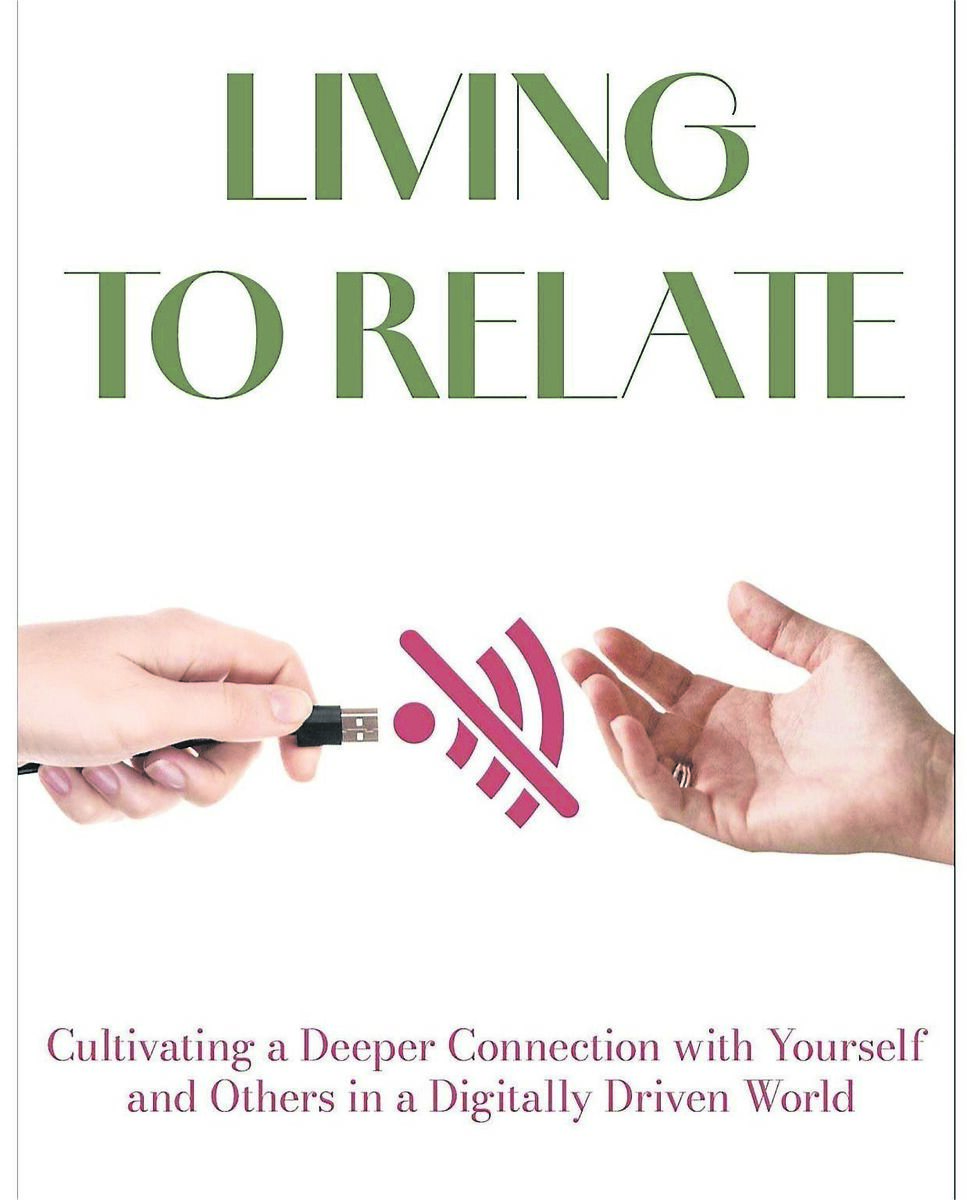
Living To Relate, a new self-help book written by Cork psychologist and author Dermot Casey, explores how the relationship with ourselves influences all our relationships.
It also looks into how online relating today is making many of us much more depressed, anxious, and lonelier.

The book aims to help readers understand how relationships influence their thoughts and behaviours, and offers techniques for managing emotions, building self-care, and resolving conflicts.

Here, Dermot explains more about Living To Relate.

How This Book Came About

As a psychologist who listens to people every day, I’ve come to see that most of what we talk about - or struggle with - are our relationships.

These might be relationships with the people in our lives, with our work, or with substances like alcohol and drugs.

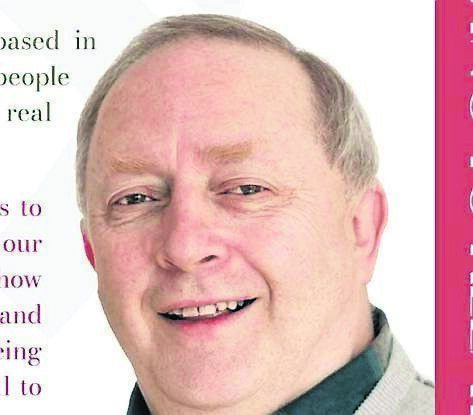
Dr Dermot Casey
Dr Dermot Casey

The covid-19 pandemic was another spark that pushed me to write this book. It showed us how much we take our relationships for granted until our ability to meet, touch, and interact is suddenly restricted.
And now, as our world faces rapid changes - from AI to climate instability - our sense of connection is at risk of deteriorating even further.

With fewer opportunities for meaningful human contact, we risk having fewer of our essential needs met.

Outline of the Book

This book is for anyone who is feeling depressed, anxious, or increasingly lonely - symptoms that so many of us are experiencing today as our needs go unmet in the midst of a technological revolution.

At its core, this book explores our relational lives. Every human need is fulfilled through how we relate to ourselves and to others.

Yet today we’re experiencing widespread disconnection, as more of our relationships take place online and as our relationship with ourselves becomes strained.

We are relating more, but getting fewer of our needs met.

Yes, we’re communicating constantly - texting, emailing, posting, blogging, Zooming, Face timing, swiping, liking.

But despite all this digital interaction, we haven’t adapted enough to truly connect with the people who matter most, or to meet our most fundamental human needs.

Key Messages This Book Highlights

We all possess a superpower: our relating process. It’s through this process that all our needs are met-in how we relate to ourselves and to others.

Our world has changed dramatically, but our relating processes have not kept pace.

We have the tools and apps, yet our capacity to use them to get our needs met has not evolved at the same speed.

We often don’t understand how we relate. Others can sometimes see our relational patterns more clearly than we can.

If we don’t understand how we relate, how can we adapt in a changing world?

Our relationship with ourselves is the most important of all. It’s lifelong, and it shapes everything else. Yet most of us treat ourselves far worse than we treat the people we love.

We are now ‘hybrid-relaters. We relate both face-to-face and online-and the balance is shifting rapidly toward online connection.

Because we haven’t fully adapted to this shift, many of our needs are going unmet. We’re communicating more but connecting less.

The Most Important Relationship Is the One With Yourself

Why should people buy this book?

This book brings attention to just how essential our relational lives are for our health and wellbeing.

From the moment we are conceived to the moment we die, we exist in relationship - and it is through relating that all our needs are met.

We all have this internal superpower called relating. When we adapt how we relate to others, most - if not all - of our needs can be met.

But when we relate poorly or unconsciously, we end up with fewer needs fulfilled.

And if we don’t relate well to ourselves, we can’t even understand what our needs truly are.

Without connecting properly with others, we can’t receive the support required to meet them.

Many people today feel lonelier than ever because we’ve become disconnected - from ourselves and from others. Yet connection is the very mechanism through which our essential needs are met.

This book shows readers how to change their relating patterns - especially the way they relate to themselves - so they can first identify their needs and then begin to meet them.

Living To Relate, by Cork psychologist Dr Dermot Casey

We also need to recognise that humans have not yet fully adapted to the digital ways we now relate.

Even though we are interacting more, especially online, we are not connecting deeply enough to communicate our needs effectively.

Over the past few decades, our way of living - and especially our way of relating - has transformed dramatically.

We must learn to integrate the new technologies we’ve created while also protecting the essential human abilities that allow us to connect meaningfully with one another.

We’re being pushed toward increasingly online relationships, but we are not yet ready for such a dramatic shift.

As the pace of change accelerates, especially with the rise of AI, we are becoming increasingly disconnected-and this disconnection is causing real human suffering.

We humans must get back to basics and relate more with one another face to face, while still using the technologies we’ve created as tools that support - rather than replace - our connections. Technology should enhance when and how we choose to relate, not dominate or define our relationships. But it is only through genuine human connection that our most important needs are met, not through the constant connectivity of technological systems.

Real connection requires presence, empathy, and shared experience - qualities no device can truly replicate.

If we forget this, we risk becoming more digitally linked than ever while emotionally drifting further apart.

Living To Relate, by Dermot Casey, psychologist, podcaster, and now author, was launched at the Silversprings Clayton Hotel, Tivoli, last month, and can be pre-ordered on Amazon. It is distributed in Europe by Ingrams.


More in this section

Person to Person: 'I make an incredible meat pie, but it costs about €40..thank god for the vouchers' Person to Person: 'I make an incredible meat pie, but it costs about €40..thank god for the vouchers'
The Pubs of Cork: 'I saw the pub for sale during the pandemic, I ended up buying it' The Pubs of Cork: 'I saw the pub for sale during the pandemic, I ended up buying it'
Cork entrepreneur embarks on new challenge with fitness business  Cork entrepreneur embarks on new challenge with fitness business 

Sponsored Content

The power of the G licence The power of the G licence
Happy couple receiving new house keys from real estate agent Time to get to grips with changes in rental laws
Boatbuilder turned engineer proves alternative paths can lead to success Boatbuilder turned engineer proves alternative paths can lead to success
Contact Us Cookie Policy Privacy Policy Terms and Conditions

© Examiner Echo Group Limited

Add Echolive.ie to your home screen - easy access to Cork news, views, sport and more