The Village Pubs of Cork: 'It's been in our family, one way or another, for over 100 years'
In the latest installment of our popular weekly series, The Village Pubs Of Cork, NOEL SWEENEY pops into the centuries-old Boothouse Bar in Upper Glanmire, and talks to the couple who run it, Brian and Louise Kenny
The Village Pubs of Cork: 'It's been in our family, one way or another, for over 100 years'

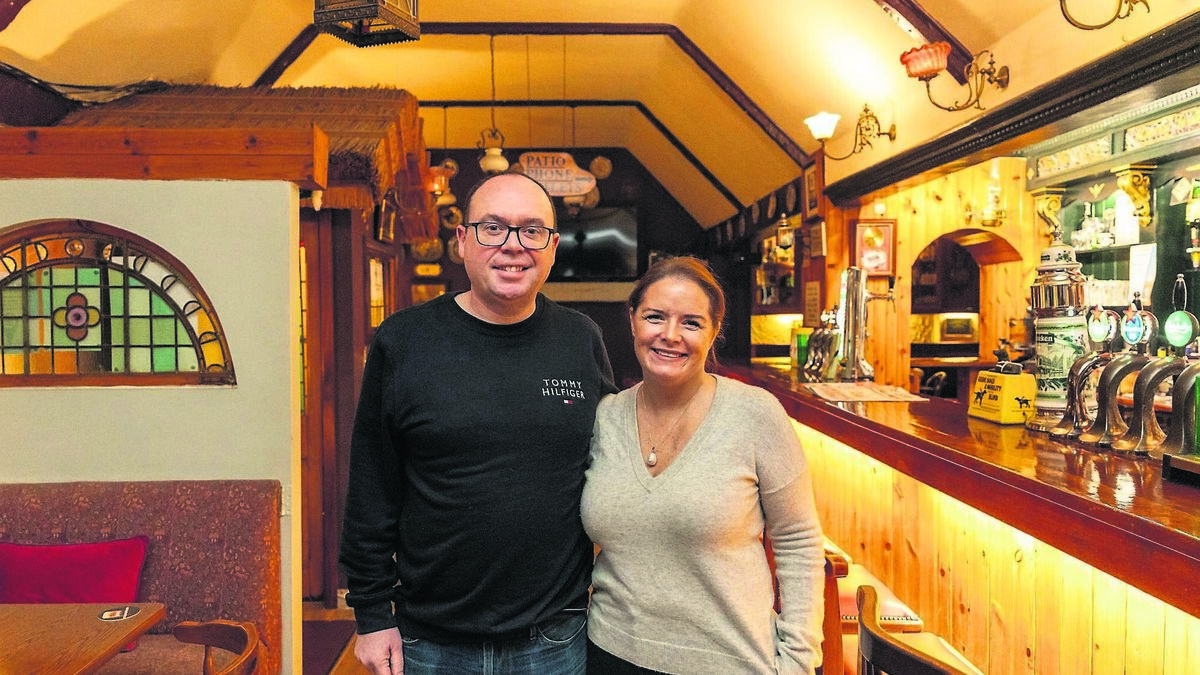
Brian and Louise Kenny inside The BootHouse Bar in Upper Glanmire. Picture: Noel Sweeney

As the city lights fade heading north from Ballyvolane, the countryside announces itself in the early winter darkness. Follow the road straight for a few kilometers and, soon after a sharp turn to the right, The Boothouse Bar appears to your left.
A one-storey building with a thatched roof, it has been a pub since at least 1773, and two years ago, the pub’s proprietors Brian and Louise Kenny, celebrated its 250th anniversary.

Brian has been behind the bar since he was eight years old, yet customers joke that the “real boss” is his wife Louise, who handles the books and the unseen machinery that keeps the place alive.
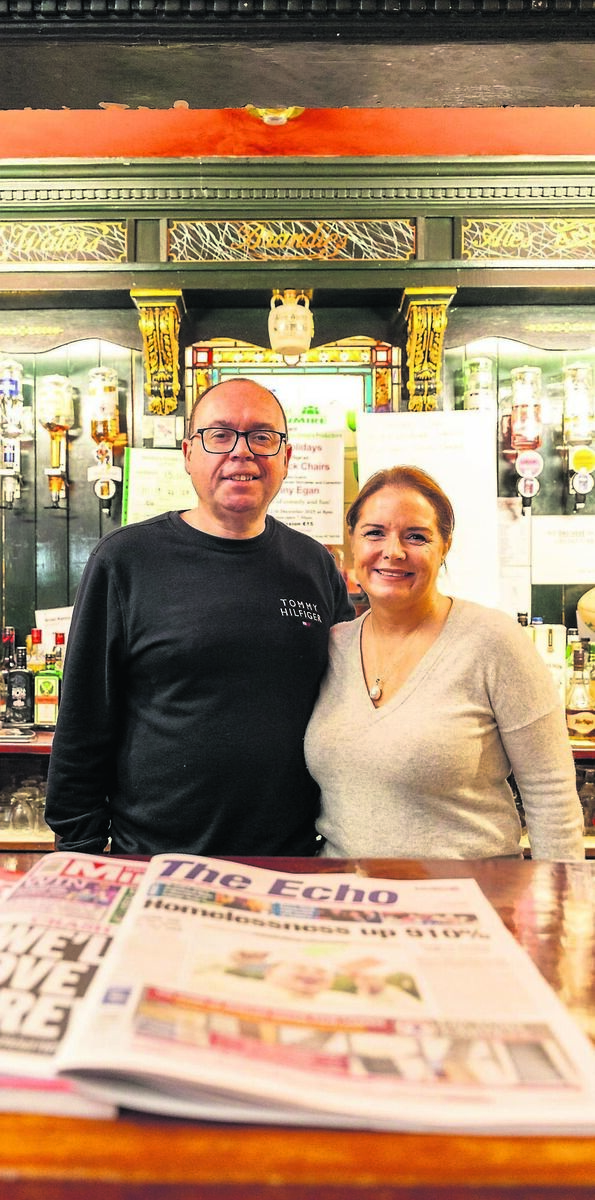
“I’m working here since I’m eight years of age,” says Brian. “I get up every morning and don’t feel like I’m going to work. I’m lucky enough to be doing what I love doing.”

His parents bought the pub in the early 1970s, unaware that at the time they were, in a way, buying it back.

“Aside from one gap of a few years, it had been in our family in one way or another for well over 100 years,” Brian says. “By default, we bought it back without realising.”

Their connection to the pub remained tethered during the time the family didn’t own it. Brian’s father, a well-known road bowler, won the Munster final in 1963 on the very road outside, the winning line being “the gable end of the Boothouse”.

The family later discovered they were also connected to the O’Briens and Barretts, two families who had owned the pub at different times going back generations.

The Boothouse has stood strong through centuries of cultural change, but for Brian, from his time being behind the bar in 1984, it was the introduction of the smoking ban in 2004 where he noticed the biggest change.

Brian and Louise Kenny inside The BootHouse Bar in Upper Glanmire. 	Picture: Noel Sweeney
Brian and Louise Kenny inside The BootHouse Bar in Upper Glanmire. Picture: Noel Sweeney

“I’ve never smoked, ever. I’m one of these people who never even put a cigarette to my lips,” he says. “The hardest part when I started working here was the smoke. You couldn’t see from here to the end of the building. My eyes would be streaming. My clothes would be stinking the next morning.”
When the ban came in, Brian happened to be in Australia on a short break.

“After about a month or so in Australia, my body was clearing itself out. But I was lucky, then, when I came back, I didn’t have to face back into the smoking. It was gone. That was probably the biggest change.”

The ban altered the entire feel of rural pubs, transforming the sensory memory of generations. For Brian, it was liberation: the end of the nightly fogbank, the stinging eyes, the coughing, the clothes permeated for days. “One of the best changes ever,” he says.

In the Boothouse of the 1980s and 1990s, cars lining both sides of the road were the public barometer of a busy night.

“There was a time the cars were the indicator of how many people were in the pub,” Brian says. “But it’s not anymore because people can’t drive home.”

Now, visitors often misread the place entirely.

“They’d come in and say, ‘Jeez, you’re very busy. I thought there was no one here. There were no cars outside’.”

“On other nights, the opposite happens - an event at the school or community centre fills the road with parked cars and they’d say, ‘Jeez, I thought the place was jointed’. And you might have a dozen inside.” Brian tells me.

Stricter drink-driving laws have changed Sunday nights too. What was once one of the busiest nights of the week is now split into what Brian calls “two shifts”.

“We have our younger, working crowd in the evening, and they’re gone by 8, half 8, 9 because they’re driving to work the next morning. Then our more mature crowd come in after. A lot of them are the guys I remember from the ’80s and ’90s. We’re lucky. A lot of pubs seem to have only the one shift.”

Upper Glanmire has grown rapidly, but amenities leave a lot be desired.

“We have no bus service here. We were supposed to have a bus about two years ago. We have bus stops now but don’t have the bus.

Louise jumps in: “And we only got streetlights two years ago. The length of the village. Before that it was just darkness.”

“Once you left Ballyvolane and the last streetlight, your journey naturally seemed longer,” Brian says. “People were driving in the dark, and they’d think the place was miles out. They still do. A lot of people in Glanmire don’t know Upper Glanmire exists at all,” Louise explains.

The area is now booming with development in almost every direction. Some of the new residents are regulars at The Boothouse. Others take longer, arriving only after what Louise calls “the shock of the mortgages” wears off.

Brian and Louise are a partnership in the truest pub-family sense.

“I always say to him, ‘It’s the pub, then the dog, then me.’ That’s the order.” Louise says.

“I don’t think it is,” Brian laughs, “but this is the baby.”

Louise once worked as a beauty industry rep. Her original plan was to help Brian “on the side”. These days she takes care of the financial and administrative side of the business.

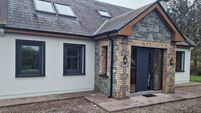
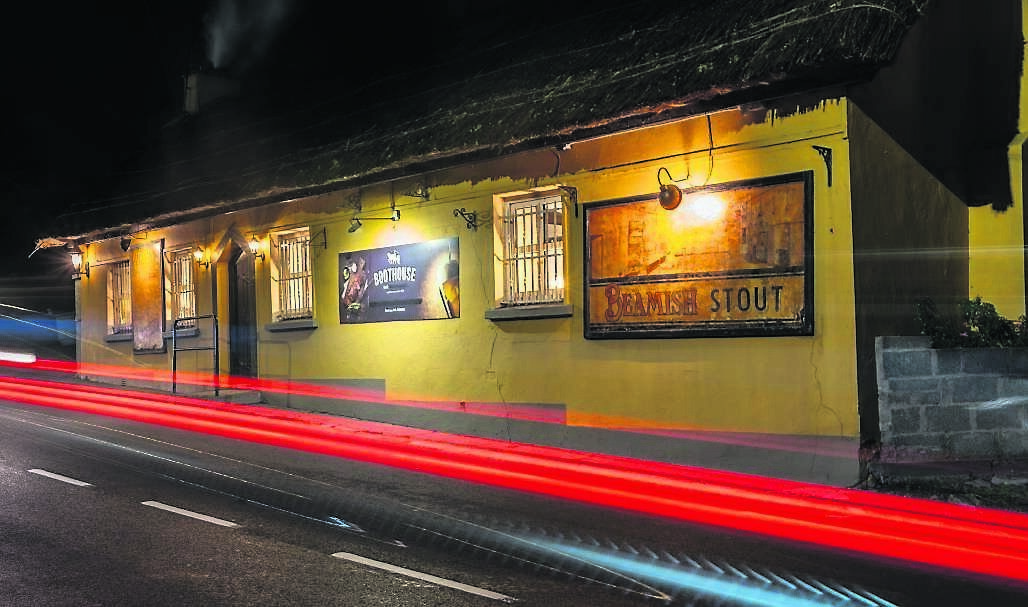
The exterior of the pub. 

“I do kind of everything you could do sitting down,” she says. “Orders, phone calls, the things that keep it going.”
Brian handles the long hours behind the counter.

Two years ago, when the Boothouse celebrated 250 years, the milestone coincided with the Kenny family’s own 50 years at the helm. Since covid, they have kept things simple at the bar and when Brian offers their winning formula, you tend to listen.

Irish pubs, he believes, still need the owner present.

“People kind of want to see the owner,” he says. “When we were doing food, I was stuck in the kitchen all the time. After covid, we came back as what they called a wet pub, but we prefer the term ‘traditional pub’. We said we’d keep things simple. And it took off. We’re doing every bit as well now just for drink as we were for drink and food before,” Brian says.

Read More

The Village Pubs of Cork: A man said 'a pub’s more important than a church in the village now'

More in this section

Radio show brings voices at St Raphael’s right into the community Radio show brings voices at St Raphael’s right into the community
'It is a pub where memories were made': Couple to retire from iconic Cork venue 'It is a pub where memories were made': Couple to retire from iconic Cork venue
My Weekend: 'Honestly...nothing beats a cosy night in' My Weekend: 'Honestly...nothing beats a cosy night in'

Sponsored Content

A top expert reveals the perfect wine for festive cheer and Christmas party pairings A top expert reveals the perfect wine for festive cheer and Christmas party pairings
"Without you, I would have been a goner" "Without you, I would have been a goner"
Skechers launch basketball footwear range ahead of partnership with UCC Demons Skechers launch basketball footwear range ahead of partnership with UCC Demons
Contact Us Cookie Policy Privacy Policy Terms and Conditions

© Examiner Echo Group Limited

Add Echolive.ie to your home screen - easy access to Cork news, views, sport and more