TV: Researchers bring viewers inside the hornet's nest
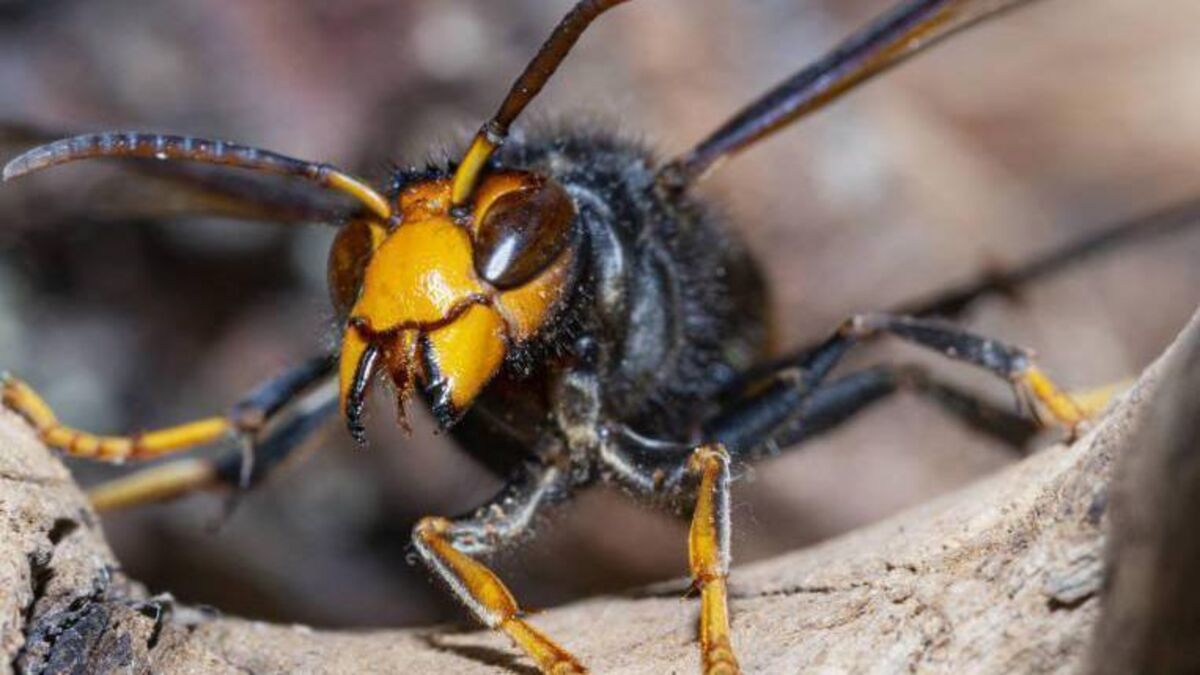
They can alter ecosystems and habitats, disrupt natural processes, and some introduce diseases that can have catastrophic impacts on nature, wildlife and human health.
The issue is explored in the next episode of science show on RTÉ1 on Monday at 8.30pm.
The team gain exclusive access to the lab and researcher tasked with the job of freezing, dissecting and analysing the nests of the Asian Hornets to determine the Queen’s DNA origins.
We get to literally look into the hornets’ nest and hear about the potential implications for Ireland’s pollinators.
Invasive insects can damage and destroy crops, and one of the worst offenders across Europe is the stink bug, which is particularly problematic for tree fruits like pears and apples.
For producers, insect and pest monitoring is critical, but traditional methods are time-consuming and labour intensive.
The team meet the researchers working to automate and accelerate the pest identification process, protect food systems and keep the smell of the stink bug out of Ireland.
On Lough Neagh, millions of invasive zebra mussels are disrupting the food web and unintentionally promoting toxic algal blooms that threaten wildlife, pets and humans. We find out about the latest technology to monitor these contaminants and improve early detection to make our lakes and watercourses safer for all.
Meanwhile, in Curious Chronicles, Fergus McAuliffe charts the rise of rabbits that inadvertently led to a full-scale war in Australia.






 App?
App?


