‘We need to talk about death, it’s liberating’
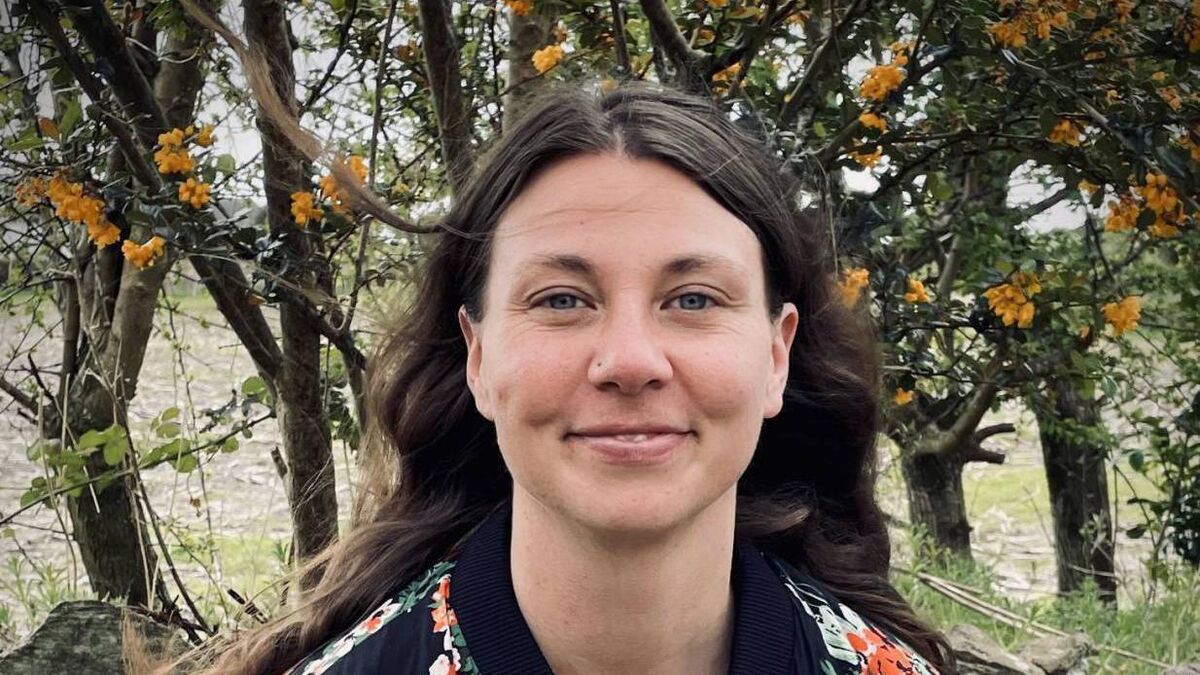
Holistic therapist and Death Doula Stefanie Blech, who is hosting a Death Café meet-up in Youghal on October 12. She says: “I want to help lessen the pain that people feel”
There are said to be two certainties in life: One, that we must pay our taxes, and two, that we will all die.
Nobody particularly wants to talk about either, as a rule - but Holistic Therapist and ‘Death Doula’ Stefanie Blech wants to start a conversation around the subject of death, and she is hosting a ‘Death Café’ meet-up in Youghal this month.
Why?
“A more open conversation around loss, about the end of our lives, is part of an initiative for people reflecting on the end of their lives, or of the lives of those they have lost,” explains Stefanie.
Encouraging the sharing of stories and memories can be part of the healing process, she says.
“Talking and sharing in itself can aid the healing process or the grief process,” says Stefanie.
What does a ‘Death Doula’ do? And why would a young woman choose what might seems something of a doom-filled role?
“I found what makes my heart shine,” says Stefanie. “Helping people to embrace themselves and their journey with change, loss, grief, and death, so they can live every moment fully.”
How does this work?
“I aim to do this through offering emotional and holistic support and helping people on their own spiritual inquiry,” says Stefanie.
“My belief is that we are meant to support each other, while respecting each other and our different life approaches.”
What about our different death approaches?
“Trying to make sense of what is happening and what will happen, being shaken up by the fear of loss, noticing loneliness, just needing a break for time to reflect or grieving the loss of a person, are common experiences during this time,” says Stefanie.
“We might need help on an organisational level, planning the funeral, writing a will, etc.
“As a Death Doula, I offer respectful organisational and emotional help.”
Why talk about death at all, albeit over a cup of tea and cake?
“It can be strange but liberating,” says Stefanie, who lives in Old Parish just over the border in Waterford, and works in Youghal.
“Often, people will share stories about a deceased loved one and others will identify and then share their own memories.
“Attendees are invited to share thoughts about death, loss, mourning, their experiences of saying goodbye, all within a dedicated safe space.”
The concept of the Death Café originated from Swiss sociologist Bernard Crettaz and his ‘cafés mortel’ initiative.
In 2011, funeral advisor Jim Underwood opened his home in London to give people a space to have honest discussions about dying. Since then, Death Cafés have grown around the world, operating in 85 countries.
The meet-ups attract 150,000 visitors every year. Now, the international trend of the Death Café has winged its way to East Cork courtesy of Stefanie.
“Life’s most meaningful moments are honoured with warmth and care at the Death Café,” she says.
“It’s not therapy. It’s just talking with an open heart and mind to explore one of life’s certainties in a relaxed, friendly environment.”
Is it a bit weird to be brave enough to explore doom, dying, and life beyond?
“When losing someone or facing inevitable death oneself from a life-limiting illness, talking about the subject with others offers more understanding when the layers of grief and emotion are unravelled,” says Stefanie.
“This can prove empowering.”
How does she look at life?
“My journey encouraged me to look at different angles of life,” says Stefanie.
“I studied Philosophy and Social pedagogics in university. I was interested in learning creative approaches such as Expression Art Therapy and then specialised in end-of-life care.”
Stefanie explored all aspects of life and death.
“The wish to live more deeply and embody more what I have learned, led me to spend a couple of years living in Buddhist monasteries, holistic retreat centres, and in solitude in nature,” she says.
“I worked in a hospice in Germany and after that moved to Ireland, helping to co-manage a meditation retreat centre.
“I trained further as a Death Doula and in different holistic therapies.”
Community initiatives like the Death Café help like-minded people to integrate and to talk together about life and death.
“The Death Café also supports and discusses the struggles that families have around loss, grief and bereavement,” says Stefanie.
What would she say to someone who is approaching end-of-life?
“You know, end-of-life is the last stage before death and there is not much talking done,” says Stefanie.
“Being present to alleviate any fear or sense of loneliness is important while honouring the belief system of the person, which is often done through sign language.
“This stage can be a hard place to be.
“Processing the disconnection is difficult and people need the space to understand what just happened.”
Death can be heavy. The weight of it can be lightened by sharing and caring.
“Connecting with other like-minded people is both joyful and comfortable,” says Stefanie.
Sadness is a universal emotion.
“Indeed it is,” says Stefanie.
“Recognising that you are in a sad place begins the process of the gradual healing.
“Sharing thoughts, memories and stories about loss, bereavement or worries around death can be extremely liberating.”
The idea of the café is interesting.
“The café is traditionally an informal sitting room, a comfortable place where people sit down, chat and enjoy a biscuit or a cake,” says Stefanie.
“This is what the Death Café offers people. A place to talk, to reflect, to connect, to empower each other, and to accept that loss and grief are part of life.
“I want to help lessen the pain that people feel.
“Facing the pain themselves is often the way to do it.”
The Death Café meeting takes place at the Croí Centre at 67, North Main Street, Youghal, on October 12, from 5.30pm-7.30pm Free admission. All welcome.




 App?
App?


