New guide to living healthily while alongside weight loss jabs
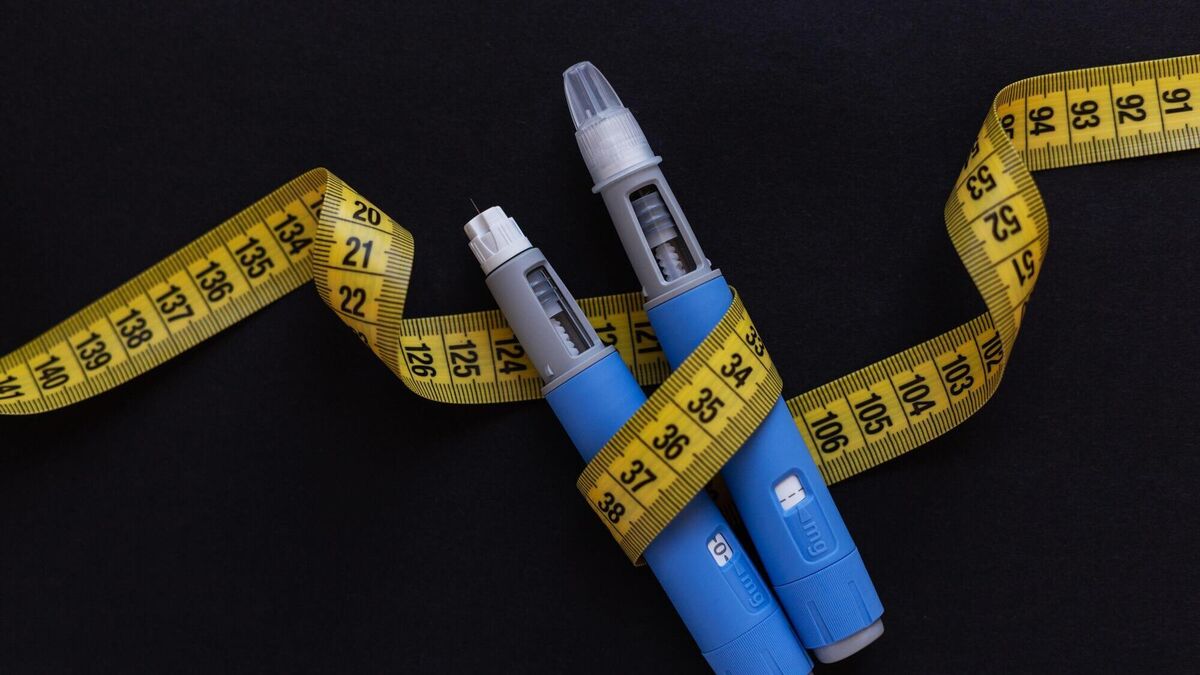
2YRP983 Two drugs injection pens ozempic for weight loss with a measuring yellow tape on a black background. Medicine for diabetics and weight loss
In what feels like the biggest health craze in years, weight loss jabs like semaglutide (Ozempic and Wegovy) or tirzepatide (Mounjaro) have exploded in popularity.
GP registrar Dr Jack Mosley - whose dad, BBC presenter Dr Michael Mosley, died in June last year on the Greek island of Symi - says his father had been worried about the potential impact of the newly-emerging medications.
“He could see they were a ground-breaking treatment because there’s such a long history of all these slightly dodgy pills and potions that they used in the past,” says the 32-year-old.
“But he was still concerned about how they were currently being managed, and the fact that there is a wild west of online pharmacies.”
One significant concern is that “these drugs were designed for people who have a BMI over 30, or women over 27 with an obesity-related disease. These drugs were not made for a quick fix to lose a few kilos”, says Mosley.
Plus, “people are being ramped up really high doses, and some are getting more significant - or even intolerable - side-effects. Unfortunately, the way a lot of these online pharmacies work is they make more money the higher the dose, so the incentive is quite clear.”
Mosley has just released his first book, , on the subject and how to live healthily alongside the drugs, which in a way, he says, he wrote for his father.
Here’s what he wants people to understand about weight loss medication - and the lifestyle changes to make alongside.
“They dramatically reduce your appetite and cravings, which ultimately leads many people to eat less,” says Mosley
Mosley says the flip side to losing weight might include symptoms such as nausea, vomiting, diarrhoea and constipation - “These all occur because of the way it can slow down the bowel. I think if people continue to eat how they did before, they’ll actually get much more significant side-effects.”
A study in showed half of people living with obesity in America have some degree of micronutrient deficiency. “We’re overfed and undernourished,” says Mosley.”People need to make sure they are eating nutritious meals [on weight-loss medication].”
“The fact we’re eating a lot less can lead to muscle loss - 25-40% of the weight people lose in the studies is lean body mass, a big component of that is muscle.
“Muscle is so important. It’s a major predictor of a long lifespan, but also health span,” he says. “It also sucks up a lot of the sugar in our bloodstream so is very protective of diabetes.”
“Staying active [is] so important while you’re on these drugs,” says Mosley, who recommends resistance training.
Evidence points to a Mediterranean-style diet being a healthy way to eat on weight-loss medication. “This is rich in olive oil, nuts, seeds, oily fish, fruit and veggies and pulses, like chickpeas and lentils. It’s got plenty of protein, healthy fats, fibre and micronutrients.”
Avoid processed junk food, Mosley adds. “Some people actually say they have significant side-effects when they do overeat these foods [while on weight-loss medication].
“There’s multiple reasons we eat,” Mosley says. “One of the big drivers is simply appetite, and that’s centrally controlled in our brain and through our guts. But our cravings - that internal food monologue I refer to as ‘food noise’ - can be turned up if you are hungry. We want that sugar high. Weight-loss drugs are not necessarily going to address things like our emotional hunger.”
To tackle it, Mosley says to try to reduce stress. “Do things like increasing your exercise - strength training is really good for reducing stress levels. Meditation and mindfulness are proven to be incredibly useful. Activities like yoga or bouldering, these are proven to be extremely effective. And I think the final thing is actually changing your diet.”
by Dr Jack Mosley published by Short Books.







 App?
App?


