Can lentils really be grown in North Cork?
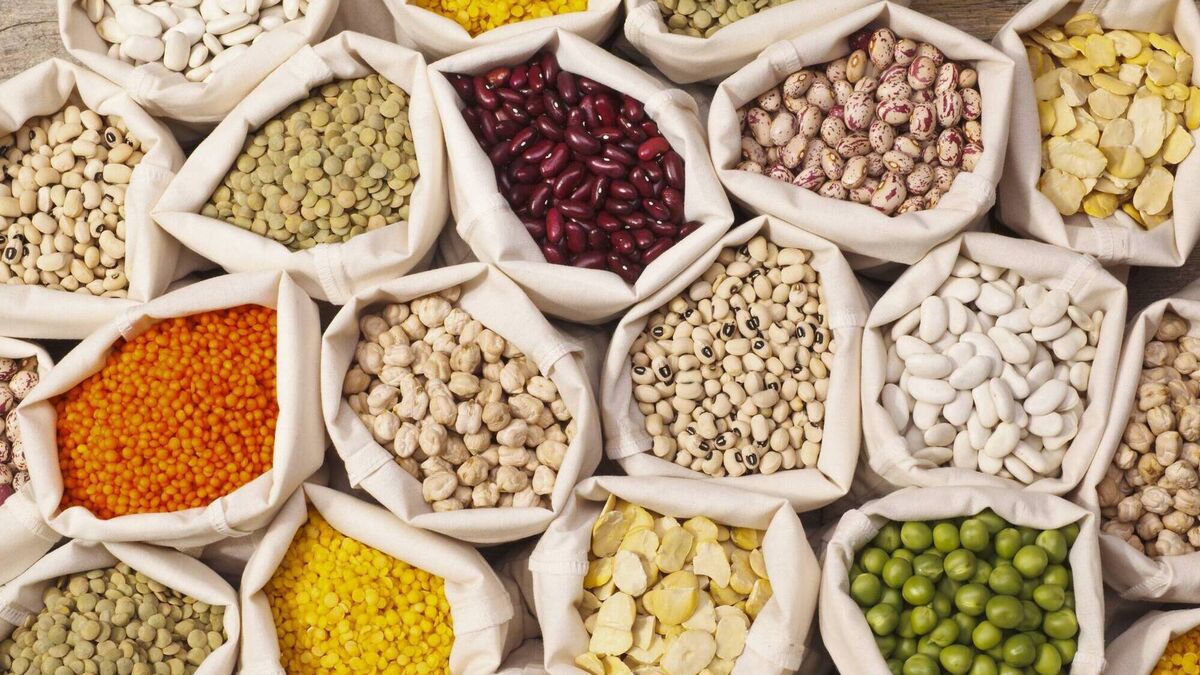
Cork farmer Tom Fouhy wants to develop his own on-farm brand of pulses, ancient grains and beans, selling via a co-operative model. Picture: Stock
WRITING a series that looks at the need to consider alternative proteins in a county famed for producing some of the best dairy, poultry and game, and with rich fishing grounds on our doorstep, was probably always going to touch on the controversial.
Although Ireland may physically be an island, we have to consider our place in a global context of what the future will look like in terms of the food we eat. Irish-made food and drink is exported to every corner of the world, so whether we like it or not, we must think further than our own farmgate.
By 2050, 52% more protein will need to be produced to feed a global population of 10 billion on less available land and with diminishing resources, such as water.
In week one, I looked at the pan-European Smart Protein project, based out of UCC’s School of Nutrition, driving research in four high-protein crops of interest: quinoa, chickpea, fava bean and lentil.
In week two, I looked at the UN-backed Chef’s Manifesto project, Beans Is How, which, on a global scale, encourages doubling consumption of beans, peas and lentils by inspiring chefs to put beans front and centre on restaurant menus and inspiring people to cook with beans at home by sharing bean-based recipes. Cork-based chef, Ali Honour, is leading the Irish charge there. As an accessible, affordable, protein-rich alternative to animal-based proteins, beans really is how.
In week three, I ventured to Allihies, at the far end of West Cork, and visited marine-based food entrepreneur Michael O’Neill. He established Pure Ocean Algae, a biotechnology company exploring seaweed farming on land and at sea and developing markets for their innovative high-protein food supplements.
Where else can we source protein?
Also in West Cork, food technology innovator, Carbery, is probably best known as the processor of choice for the region’s dairy co-operatives, turning milk into high-value cheeses, but is also a world-leading ingredients producer.
A byproduct of the cheesemaking process is whey, which retains a high amount of protein derived from lactose. In times past, when cheese was still made at home, the whey was considered precious, never thrown away, and a delicious, healthy treat.
Louise Kelly, Communications Manager of Carbery Group, explains how Carbery are making use of this otherwise waste whey and turning it into something with enormous nutritional benefit.
“Having served the infant and sports nutrition markets for a long time, we are also looking at new opportunities in the clinical nutrition market, producing protein rich products for older people or people with nutritional needs.
“We have a significant Research and Development team based in Ballineen, with innovation centres also in the US and UK.
Those teams are very involved in bringing new products to market with our commercial teams.
“We don’t forecast milk supply to grow significantly in the coming years, so we will focus on innovation. We continue to expand and develop our facilities overseas where we recently opened an Innovation Centre in Singapore, and expanded research and development facilities in the US to serve our savoury flavour customers.”
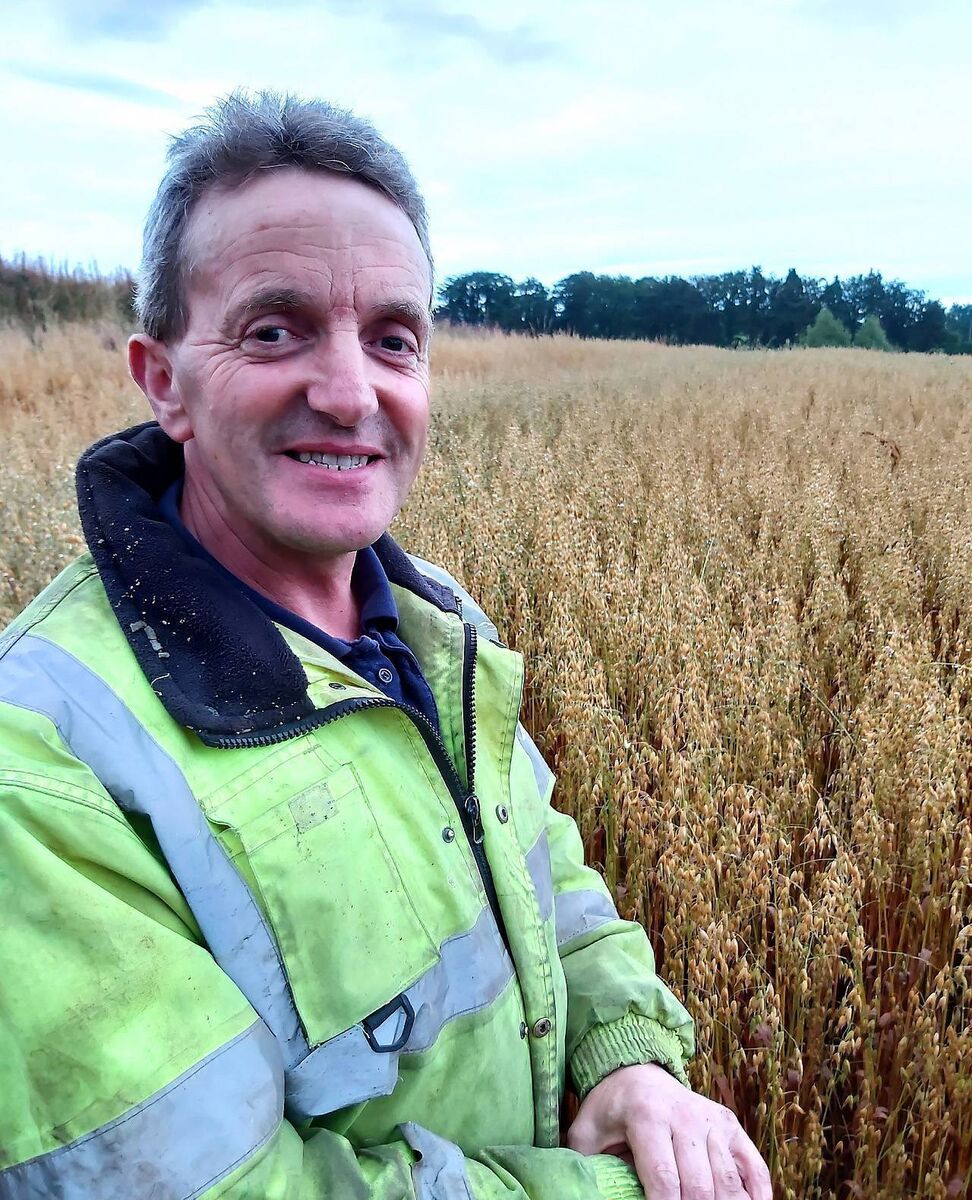
In North Cork, Tom Fouhy is a tillage farmer with 84 acres in Castletownroche. He has a Masters in organic agriculture and is a former Farming for Nature ambassador. He has a penchant for experimenting with alternative tillage crops, and has been successfully growing linseed for 11 years, as well as fava and soybeans, lupins, and a variety of other grain-based crops under the category of ancient grains.
Tom has also been experimenting with growing lentils, a non-traditional crop for Ireland. He first tried to grow in 2021 but was “stuck for seed”. He persevered, and in 2022 grew and harvested enough to make his organically grown lentil crop commercially viable – all 3,000kg of them. This year, he tried again, but the atypical nature of this year’s weather pattern left the state of the current harvest uncertain.
He has a self-confessed love of growing things but says there is a long and winding road to navigate before he feels Ireland can crack successfully growing a crop like lentils here, organically.
An advocate for farmer-led trials for this kind of crop experimentation, Tom firmly believes farmers are the only ones who can best gauge what success looks like in terms of cost, return, labour, inputs, weather, etc.
Tom isn’t interested in talking to large retailers about what he is growing. Instead, his vision is to develop his own on-farm brand of pulses, ancient grains and beans selling via a co-operative model.
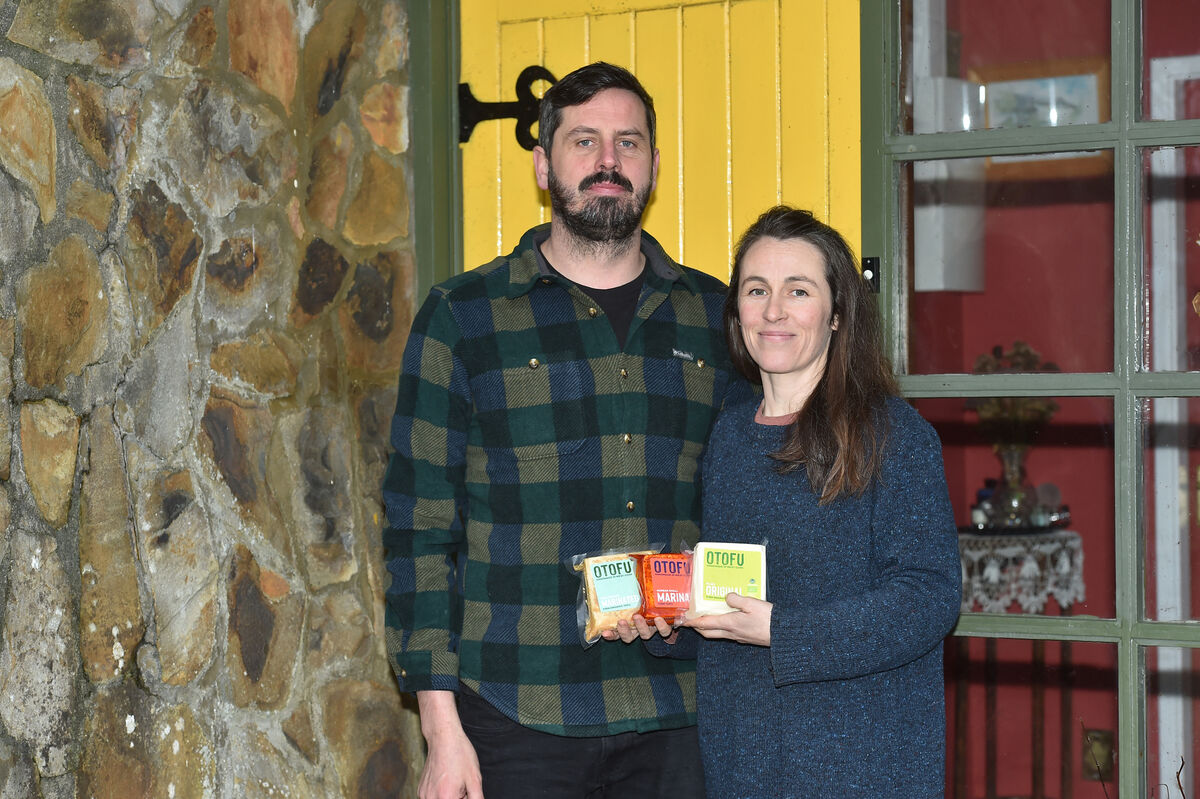
In Kilbrittain, OTOFU is busy making Ireland’s only organic tofu, and his found a ready market for their three flavour varieties: Plain, Korean Chilli and Sesame Miso. They carefully source their soyabeans from a reputable source (one that doesn’t cut down large swathes of the Amazon rainforest to grow it), but it’s still imported. Imagine if a soybean farmer like Tom Fuohy and a producer like OTOFU collaborated to create the first bean to block fully organic Irish grown and made tofu?
These are all things we can get our heads around, and possibly even see happening within the next five years. But what about protein from sources that maybe feel a little less savoury?
Insects have long been known as an excellent source of protein. They are easy to farm and can be grown in vast numbers happily in a small space, but are not an easy sell in Ireland. Let’s face it, we’ve all cringed watching the Bush Tucker Trials on I’m a Celebrity...!
But a small number of young Irish businesses have established themselves as makers of high protein food-based products from insects.
Hexafly in Slane, Co. Meath, specialises in farming black soldier flies to make hypoallergenic meal for the pet food industry, an oil for use in animal feed, a slow-release soil improver and fertiliser for agriculture, horticulture and gardening, and grubs for specialised reptile and bird feeds.
In Ashford, Co. Wicklow, Willows Ingredients recently announced their partnership with Asia-based Cricket One to become their European distribution partner, which grows 22 million crickets a month. By farming crickets for application in the feed, food and beverage industries, Cricket One is directly addressing the UN Sustainable Development Goals of reducing hunger and climate action.
However progressive these companies might be in seeing potential in the insect-based protein market, in Ireland this is still an area in its infancy – although the same could be said for our lentil and seaweed farmers.
Research and Development Teagasc has recognised this and has become part of a consortium called ValuSect which itself is part of a wider European project initiative, called Interreg North-West Europe. It is the only Irish authority in a consortium of eight European representatives.
Teagasc says: “The ValuSect consortium aims to strengthen the transnational cooperation and exploitation of research on insects as resources for the development of (semi) finished food products.”
Teagasc cites research that shows almost 30% of EU consumers are “willing to eat insect-based food, a practice also known as entomophagy.”
ValuSect’s ambition for the project outcome, which concludes at the end of this year, is to improve on this acceptance by finding ways through research and development in the “quality of insect production and processing, including its environmental impact.”
In essence, ValuSect is the flip side of the plant-based Smart Protein project and puts us back in the realm of animal-based sources of protein.
What does that tell us? It tells us people will get their quota of protein from both plants and animals on land and sea, but that the status quo is not always going to win out.
Wherever we choose to get our vital proteins from, the evidence all points to us changing our tastes and habits by accessing it from the widest and most varied sources possible.
It tells us that something different this way comes.







 App?
App?


