Headache, or brain tumour? How to tell if you are dealing with something serious...
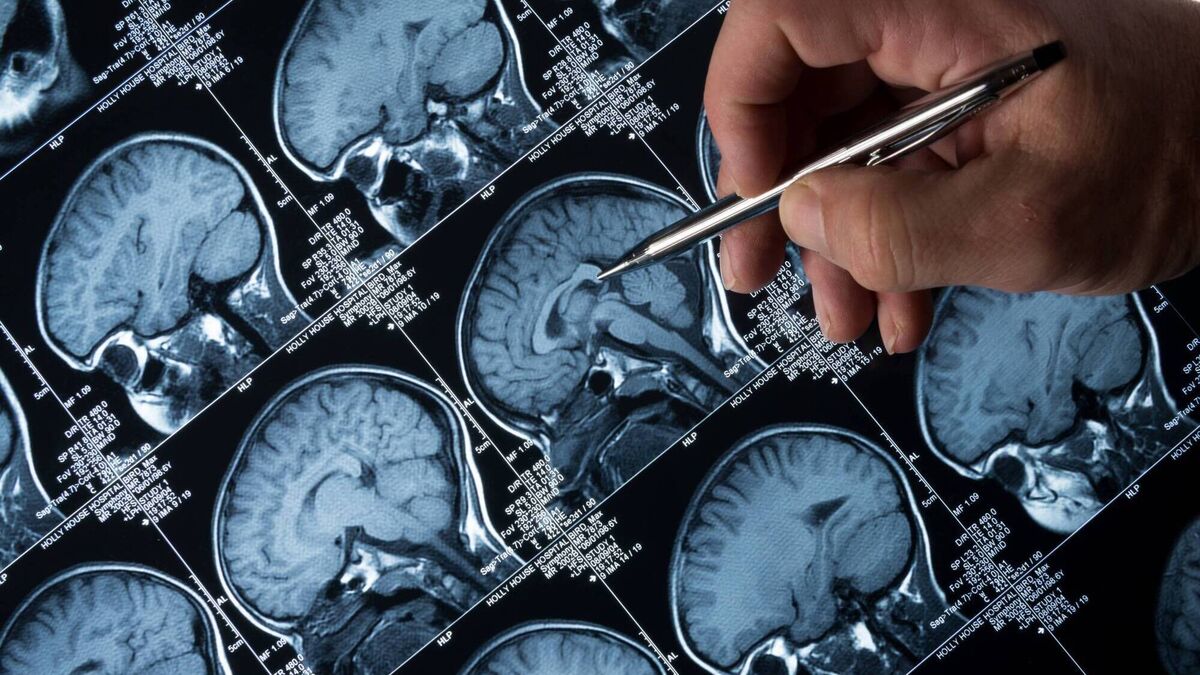
March marks Brain Tumour Awareness month. Picture: Stock
Most of us get a headache from time to time, and it’s usually nothing to worry about. But how can you tell if it might be caused by something more serious?
Many people who have a particularly bad or persistent headache may wonder if it’s linked to a brain tumour, for example.
While it’s important to see your GP if you are worried, speaking ahead of Brain Tumour Awareness Month in March, Dr David Jenkinson, chief scientific officer at The Brain Tumour Charity (thebraintumourcharity.org), stresses that while headaches can be one of many symptoms of a brain tumour, it is uncommon.
“We understand from time to time that everyone experiences one or several of these, however if they’re in combination, persistent, or you’re concerned about your health, we urge you to seek advice from your doctor.”
Whatever the cause, if headaches are impacting your day-to-day life, it’s worth seeing your GP to seek help, and ensure you’re getting the best advice for managing them.
Dr Tim Woodman, medical director at Bupa UK (bupa.co.uk), recommends keeping a headache diary, noting what you eat, your hormonal cycle [for those who menstruate] and other environmental factors going on too. “This can help you and your doctor diagnose your headache, and help identify triggers,” he explains.
A healthy lifestyle and stress management can often help, he adds, as can lying in a dark, quiet room, sleeping, going for a walk outside and taking over-the-counter medicines such as paracetamol and ibuprofen as recommended.
Woodman adds: “Consult your doctor if you have regular debilitating headaches and take pain relievers frequently or in excessive amounts.”
A doctor might do eye and hearing tests and check your reflexes - or send you for an MRI or CT scan if they’re concerned.
Bad headaches can have a range of causes, and may need specific treatment or tests. Experts recommend seeking medical attention if you experience any of the following...
A very intense headache that starts very suddenly, says Woodman. “These could be linked to more serious conditions, such as bleeding in the brain.
If your headache gets progressively worse over time rather than better, it may be a cause for concern. Woodman says: “In rare cases, this could be a symptom of a brain tumour, but will come with others too. Such headaches need to be checked.”
If your headache gets worse when you change body position or with coughing, Woodman says there could be an underlying issue that needs to be investigated, so book an appointment with your doctor.
“Headaches related to brain tumours are often worse in the morning,” says Jenkinson. “They are also worse when a person is lying down or leaning forwards - it’s linked to head positioning.” If this is happening to you, check in with your GP.
If you have headaches after hitting your head or an accident, you may have a concussion, or possibly something else that needs to be checked quickly - such as bleeding. “It’s important to get checked if you’ve had a head injury,” Woodman stresses.
Additional concerning symptoms that need urgent checking out include a headache accompanied by fever, nausea and vomiting, a stiff neck, rash, and/or sensitivity to light.
Amongst other things, Woodman warns this could be meningitis, a serious condition that needs urgent medical attention.
If you have a headache along with nerve symptoms, this could be a sign of a stroke, warns Woodman. “This may include weakness, dizziness, sudden loss of balance or falling, or symptoms of a clot or bleed in the brain.”







 App?
App?


