Bright and busy future for West Cork author
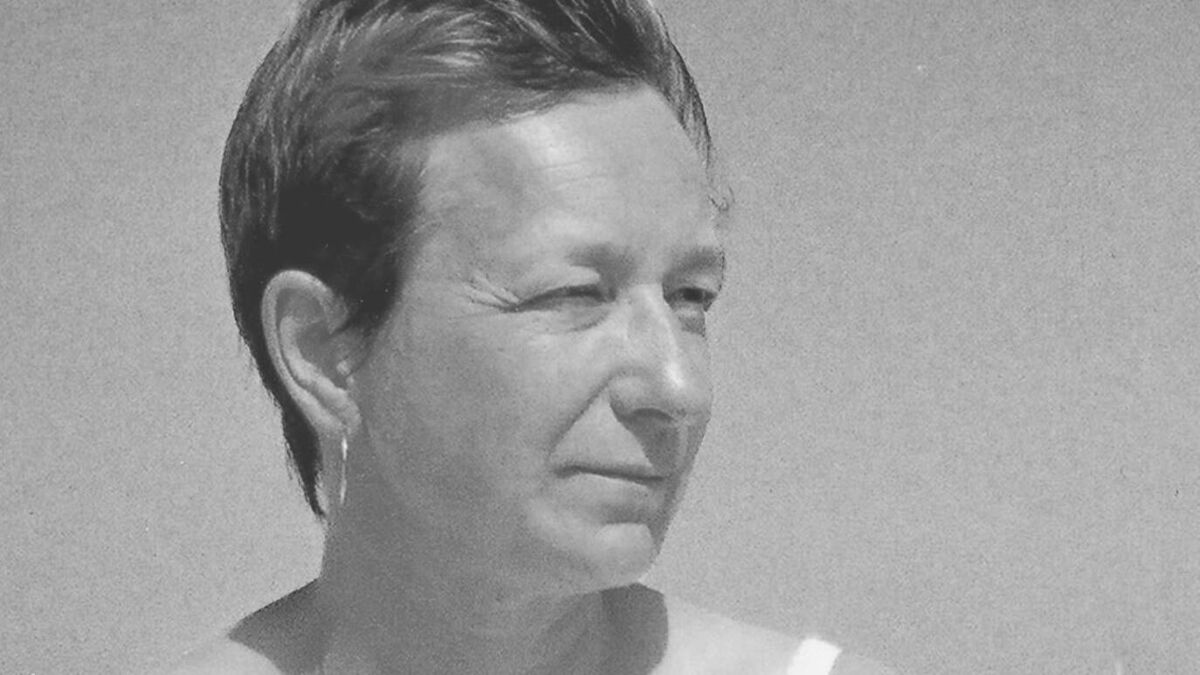
West Cork author Chris Lewando.
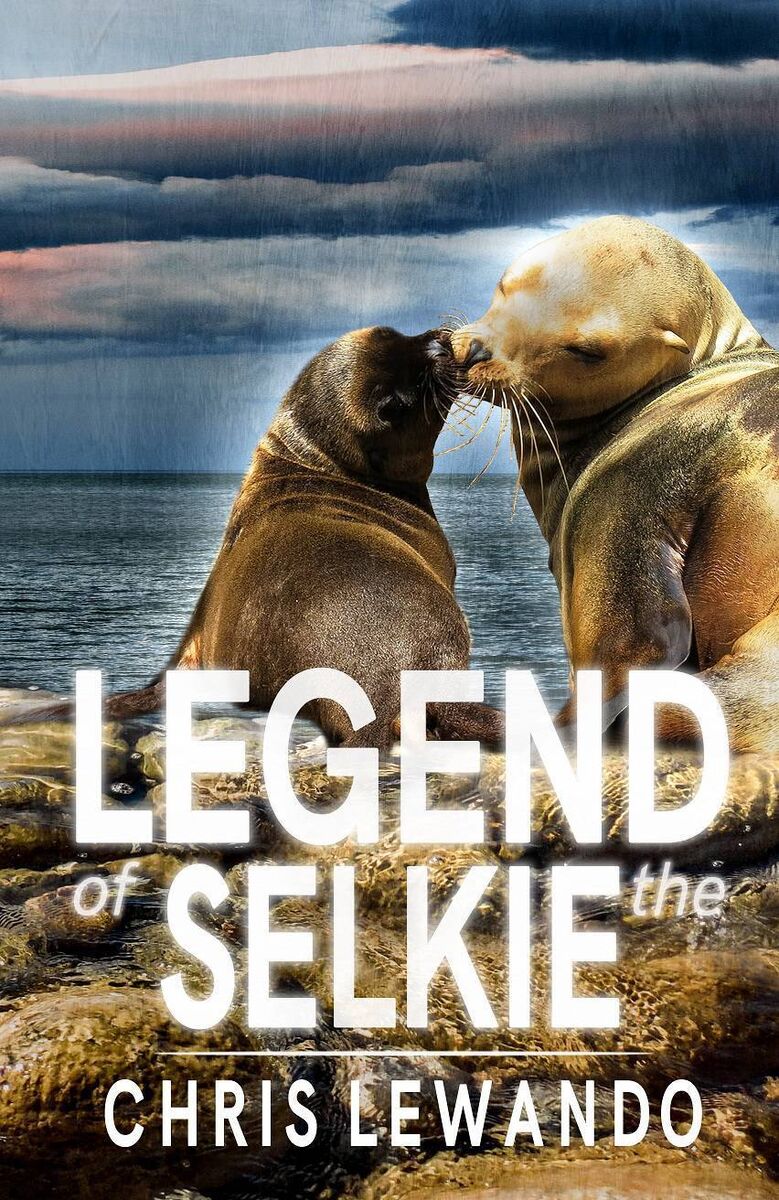
THE latest novel from West Cork-based writer Chris Lewando was born while the author was taking the Creative Writing MA at UCC, and subsequently attracted the interest of a London-based imprint of the Hachette book group.
Legend of the Selkie, a contemporary work set around the Sheep’s Head peninsula, is an exploration of a young widow coping with the aftermath of a fishing tragedy.
“This novel was born while walking on the Goat’s Path above Ahakista on the Sheep’s Head Peninsula,” Chris says.
“The seals were sunning themselves on the rocks below, the seagulls were wheeling and crying above, and a small fishing boat was bobbing back into the bay. The haunting tune of the folksong, The Selkie, trickled into my mind. I didn’t want to write a fantasy, however, and chose to explore the possibilities of a living legend, something mystical that might or might not happen; a mystery that would linger in the reader’s mind after the story closed, just as the folksong does: ‘ And it shall come to pass on a hot summer’s day, when the sun burns bright on every stone, that I shall take my little son, and teach him how to swim the foam...’.”
The editor whose attention was caught by the novel said they ‘loved the setting, the atmosphere, and the brilliantly claustrophobic lives created in Legend of the Selkie.
“This is a well-plotted, beautifully characterised, and cleverly executed novel. I see it sitting very successfully on a literary list. Chris is an extremely competent and talented writer. I’ll be waiting to see it in print in Waterstones.”
Based on the strength of Legend of the Selkie, Chris has also been commissioned to write the first of a possible three-book fiction deal, under the Psychological Thriller banner. That novel, set in West Cork during the 1970s, is underway.
It is a busy time for the writer but far from her first taste of success. Chris started out as a teacher, then moved to PA work after bringing up a family. She was PA to Susan George, the actress, prior to moving to Skibbereen. She has been a fiction tutor for the London School of Journalism for many years and is presently an editor for the Jeremy Murphy Literary Consultancy.
She began her writing career with genre romance and later had a number of short works published in literary magazines, while self-publishing several novels. In 2017, while completing her work for the MA in UCC, her story Personal Services, set in Cork city, was chosen as The Echo’s Summer Soap and published as a serial. Her short story, Swan Song, published in Holly Bough in the same year, revolved around a dysfunctional West Cork family, meeting for Christmas at the family farm.
Chris is also in the process of completing the third novel in a dynamic ongoing thriller series. The first, The Silence of Children, has, to date, received a five-star online rating on several platforms, including Goodreads.
With her experience in self-publishing, the author has seen first-hand how the internet and e-books have changed the publishing landscape and the way people buy books.
“Print-on-demand technology means that large print runs are no longer required, which actually reduces wastage,” she points out.
“Mountains of books were traditionally returned to the publisher for disposal. This still happens, but not to such a large degree.
“Mainstream publishers also produce electronic alternatives of the books they physically publish, to keep their market share. E-books now outsell hard copies, largely because they’re cheaper.”
She says self-published authors now outsell those produced by the ‘big name’ publishers.
“However, with millions of authors pushing out books, only a relatively few self-published authors make a living from it,” she says.
There has been much discussion about the ‘vanity’ of self-publishing, but, Chris says, readers need to lose the concept of mainstream publishers promoting ‘good literature’ and recognise that they are as much a commercial enterprise as a clothes manufacturer.
“To survive, they must provide the right item at the right quality and the right price,” she says.
“Publishers often reject good novels simply because they don’t fit within current trends. Equally, some fairly poor books end up on the shelves because publishers are cashing in on a genre success story.”
Many now-famous authors were previously rejected by publishers, including J. K. Rowling, Stephen King, Agatha Christie, and John Le Carré, to name but a few. Self-publishing is easily achieved today and has created what she calls ‘a positive tsunami of fairly poor fiction’, but Chris believes that good work rises to the surface.
That said, she says getting a book deal with a traditional publisher brings its own benefits.
“Having a book ‘accepted’ by a mainstream publisher provides the author with authentication, as there is no quality-control in self-publishing,” she says.
There are also financial implications.
“Mainstream publishers have clout and specialist staff to produce and sell the product,” she says.
“The author’s income per book from a mainstream publisher is tiny, but the sales might be huge. It is the opposite for a self-published work, until the author becomes known.
“A self-published author not only has to learn to write well, but has to be a jack-of-all-trades, or pay individuals for editing, cover design, and advertising, rather than stick to the core business of writing books.”
She adds: “With so many books to choose from, libraries and bookshops are still more likely to stock books published traditionally. Again, this is about becoming known, not about income.”
I find it interesting that Chris writes across a variety of genres but she sees genre as primarily a business tool in publishing.
“Writing is a business,” she says. “Good authors can often write in a variety of genres, and often do so under pseudonyms. ‘Genres’ is a sales tool to identify a book to a buyer, and is not reflective of an author’s ability.
“A buyer who wants romance doesn’t want to end up with an action thriller, for instance, even if the author can write both. That is why J K Rowling’s detective fiction is published under the name of Robert Galbraith. I don’t know that Bookoutre will publish under my own name, but if they do, it will help to sell my other books.
“They will be looking for three books in a similar vein, because profit from a first book is consumed by production and promotion, the second book might establish the author’s name, the third might well take all three books into a profit situation. That is why I have written three books in the ‘ Silence of Children’ series.”
Between the completion of that series and the start of her new trilogy, along with ongoing sales of Legend of the Selkie and her back catalogue of novels, the future looks both bright and busy for this West Cork writer.






 App?
App?


