How derelict houses can be turned into a home, sweet home
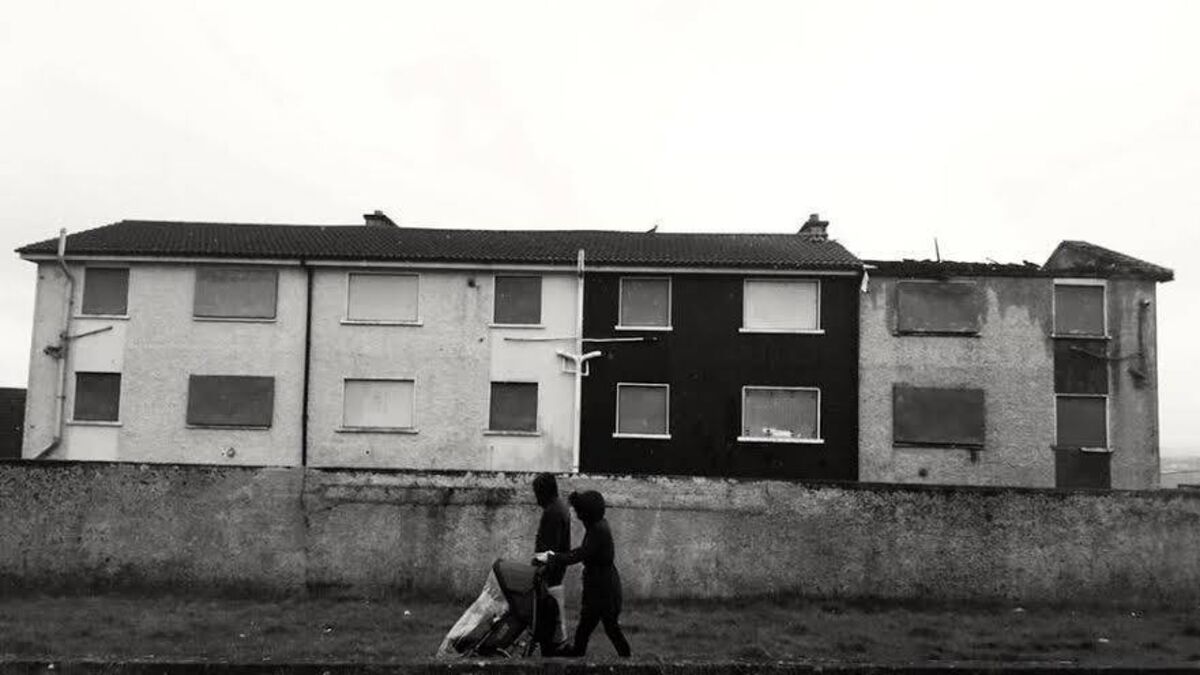
STANDING EMPTY: An image of derelict houses in Cork taken by Hilary Quinn
HILARY Quinn considers herself one of the lucky ones.
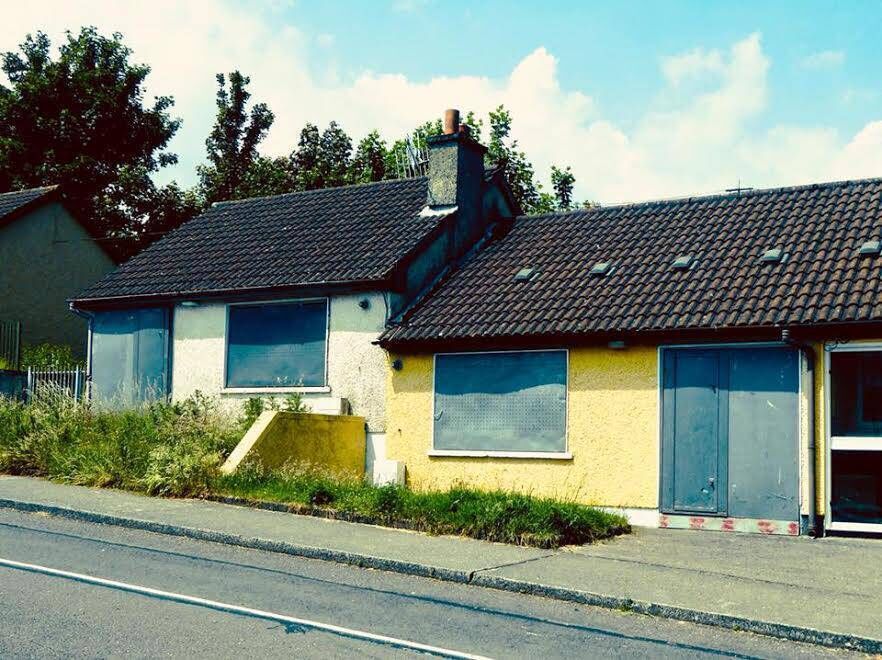
A freelance web designer and photographer from Douglas, she bought her house — a one-bedroom derelict cottage on Blarney Street — for just €38,000 soon after the recession.
She renovated the property with the help of her father, a self-employed carpenter, mostly working on it at weekends, and finally moved into her home in 2016.
Hilary moved back in with her mother while doing the renovation so that any money that would have gone on rent was spent on the property.
It was a tough slog, but the results are a dream come true: she was left mortgage-free, with a manageable weekly credit union repayment, and her own cosy home that she now shares with her fiancée.
“We basically did it ourselves at the weekends, apart from the stuff you can’t do yourself like plumber, electrician and plasterer,” Hilary, aged 38, says.
“I’m a self-employed freelancer, so there was no way I was getting a mortgage. There’s just no way for a bank to be able to predict what my earnings will be like year after year.
“So I said to myself, ‘Right, I’m going to prove this can be done without the banks,’ and I went out and started looking at wrecks.”
The entire process was thought-provoking for Hilary, who had her first eye-opening experience when she realised that she was bidding against property speculators when she initially went house-hunting, when prices were at a low level in 2013.
“I’d go into a place and there’d be guys in there in hi-vis, quite obviously from the construction industry,” she said. “Maybe some were buying them to do up and sell on, but some were buying them to do absolutely nothing with them and wait three years and make a profit, having left the house in the same condition that they’d bought it.
“When I think about it now, when I bought my house at the bottom of the market, if I had done nothing to it, I could sell it this year for double what I paid for it.
“I’m looking at houses in my area that are in the same condition mine was in and they’re looking for €60,000-€80,00 for them now.”
But a further eye-opener for Hilary came with her move to the northside: she was shocked at the volume of derelict and vacant council houses in an area where so many were in need of housing.
“We used to go past Glandore Park on the way to do our shopping — it was all boarded up, and it looked like something from a war zone,” she says. “I went up and started taking photos of all these houses and started saying, ‘What the hell is going on?”
That was in 2016, and in the meantime, Cork City Council has renovated Glandore Park. But the housing crisis has worsened considerably since.
In June, 2016, 1,074 families were homeless, according to the Government Housing department website.
In the same week in 2018, 1,754 families were homeless, an increase of 63%.
And these figures are just the numbers of reported homeless people seeking emergency accommodation, and they don’t touch the unknown number of so-called ‘hidden homeless’, who are sleeping on a family member’s sofa or moving between the houses of friends and family.
In the private rental market, rents are now higher than they have ever been before in the history of the state, the latest rental price report from property website Daft.ie revealed last week. In Cork, these rents are increasing even faster than the national average, and are now at an average of €1,266 per month.
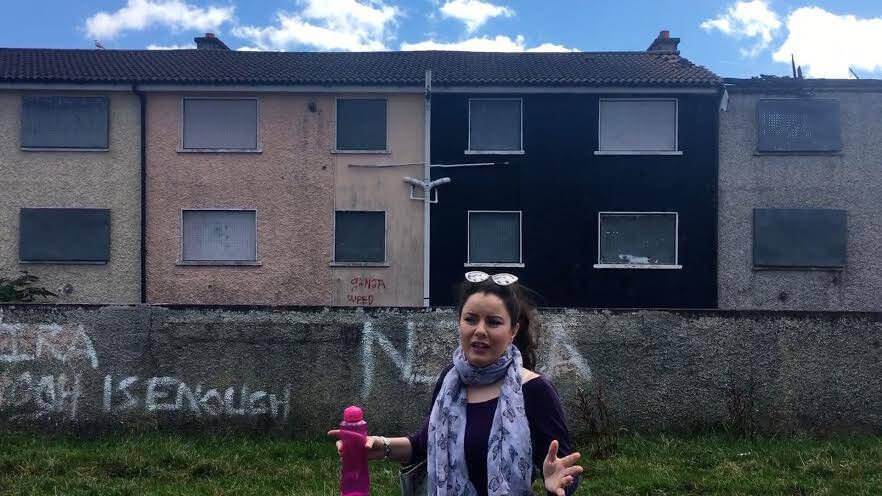
Against this backdrop, two weeks ago Hilary once again vented her frustration at the number of dereliction houses in her area, with a short video she made of Boyce’s Street, where she counted at least 12 derelict council houses, known as ‘voids’ by the council.
The video, in which she describes the area as “the ground zero of dereliction in Cork,” has been viewed online more than 73,000 times.
In the video, Hilary called for a “house for a euro” scheme similar to one in operation among some local authorities in the UK, where a token sum is paid by a family who are on a housing list for a council ‘void’, which they then renovate themselves.
The scheme removes the cost of renovation work from the local authority’s hands, while giving families with the resources to take out a loan for repair works, or to come to arrangements with suitably skilled family and friends, a home mortgage-free.
In some cases, loans for the work are even given by the local authority, who can then earn back interest on the loan.
The Boyce’s Street houses that so incensed Hilary are in fact themselves scheduled for work shortly. In February, it was reported in this paper that the Department of Housing had given the go-ahead for Cork City Council to enter a planning application for the development of 51 housing units on Boyce’s Street.
A representative of Cork City Council’s housing department has confirmed that this planning process is now complete and that they expect building work on the new development to start in the winter.
But figures provided by Cork City Council Housing Department reveal that there are currently 177 council houses vacant due to disrepair.
In May, from a housing stock of 9,015 houses, Cork City Council had a total of 319 vacant properties, meaning that, overall, 3.5% of their houses are vacant — but a number of these are temporary vacancies for a variety of reasons.
A total of 177 houses are lying empty, while 93 families are currently being housed in emergency accommodation in Cork and Kerry. To Hilary, it’s a no-brainer: give the vacant houses to those who need them.
“Whatever works for the community,” she says. “In some places in the UK, they can’t sell the house on for ten years, or maybe the council comes in to sign off on the works when it’s renovated.
“We can choose what works, but the important thing is for Cork City Council to start thinking outside the box.”
Hilary says the response to her video has been phenomenal and that there is overwhelming public support for such a renovation scheme here. She’s even had people reaching out to her with their own personal stories.
“I had a guy message me after he saw the video: he said his sister and her kids are currently being put up in a hotel at a cost of €1,000 a week,” she says. “His dad works in construction, and he’s handy too: he said he’d jump at the chance of doing up a house for her.
“When I first suggested a scheme like this on local radio in 2016, we had builders, plasterers, and electricians phoning in to say they would volunteer their time.”
Hilary accepts that not all the families currently in emergency housing have the resources to renovate a house, or are lucky enough to have family support for such a task. But there are plenty currently on the housing lists who do, she says.
“A shocking number of the people on the emergency housing list are single parent families. A mum with three kids won’t have the resources to do this, but there are loads of families on the housing list who are working and who are on a single income.
“They actually could go and get out a credit union loan for €15,000 or €20,000: they just can’t afford a bloody mortgage of €200,000.”
This would free up places on the housing list for those currently in emergency accommodation.
Hilary says that she has also experienced negative comments in some quarters and thinks that attitude is a big part of the lack of willpower to take constructive action, as well as Cork City Council’s fear of being perceived as biased or unfair when allocating housing.
But the homelessness figures reveal a country in crisis and there’s no time for stigma attached to social housing, she says.
“There’s always that argument, ‘How can you say it’s OK to give a free house to somebody when someone else has had to work hard to get theirs?’ But for god’s sake, what difference does it make how you get a house? We have people sleeping on the streets and kids going home from school to hotels.
“You could easily argue that I got my house virtually for free, and yet no-one seems to have a problem with that.
“I just want other people to have the same chance that I had.”







 App?
App?


