School holiday burnout: What is it and how can you avoid it?
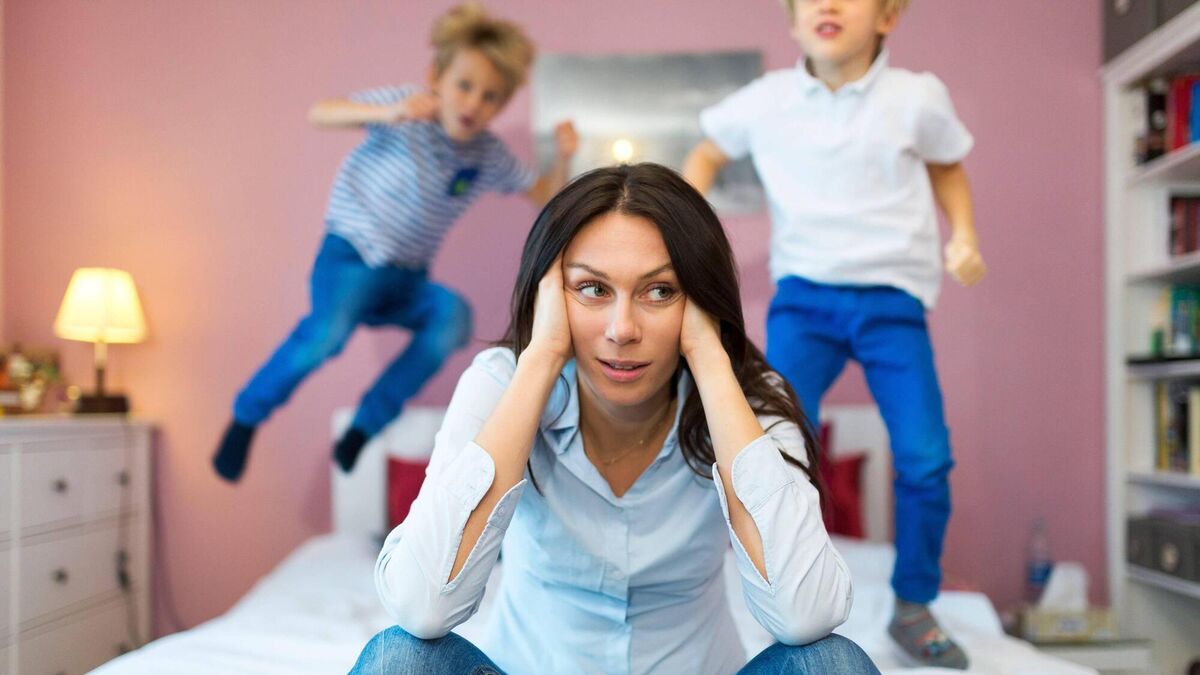
Burnout can creep up on you over time. Picture: Alamy/PA
Whether it’s your children’s first school summer holiday or their last, the pressure to entertain and create magical memories for young ones over the break can feel overwhelming.
Coupled with the endless juggle of everyday life, it can easily lead to both physical and mental exhaustion for parents.
“Burnout isn’t simply about being busy. It’s about having too much demand and not enough opportunity to recover,” says Dr Beth Mosely MBE, a clinical psychologist and author of
“During term time, parents are naturally getting those moments of recovery while their children are at school. But during the holidays, it can be really difficult to have those recovery periods because most parents are trying to juggle work, childcare and financial pressures,” she adds.
So what are the signs and how can we avoid it?
Burnout can creep up on you over time, so knowing what it is and what to look out for can be half the battle in staying on top of it.
“Burnout typically happens gradually rather than appearing suddenly, and you can sometimes mistake it for just simply being bad tempered or failing to cope,” says Mosley, adding that it goes back to the demands being bigger than the resources people have.
“It’s kind of having a disproportionate response to things like mess around the house, that constant throughput of activity, things being in disarray and never feeling on top of things,” she says.
Hybrid working has also added to the pressure. “Before the pandemic, we wouldn’t have expected ourselves to be able to work from home and also look after our children. You were either at work or you weren’t. We believe that we can somehow do both and that’s really difficult,” says Moseley.
While some physical signs of burnout can be obvious, others can easily be mistaken for being irritable, tired or just simply having a bad day. But it is critical to be conscious of your ‘normal’ and notice if there are changes to that.
Mosley suggests that things like feeling like you’ve got nothing left to give, even when you’ve had a good night’s sleep, losing patience more quickly, snapping or shouting, decision fatigue, and feeling drained by constantly answering questions, planning activities and solving everybody else’s problems, can all be signs you’re exhausted.
“It’s natural that you’re probably going to want some time on your own. But if you find yourself constantly hiding in the toilet, disappearing or counting down until bedtime every day, then obviously that might be another sign of burnout,” she says.
It’s important to look for the physical signs, too, such as “headaches, really poor sleep, feeling run down and just generally losing enjoyment of things,” says Mosley.
“When stress and pressure take over, the things that you hope to enjoy, even if they’re those activities where there’s a bit of downtime, you might just not get any pleasure from,” she adds.
Firstly, Mosley recommends lowering the pressure to create a perfect summer, suggesting burnout is linked to parents having unrealistic expectations of themselves.
“The problem with creating a perfect summer is that if you’re miserable or under so much stress and pressure throughout it, no matter how nice you try and make the experiences, they are just going to remember you being in that mindset,” says Mosley.
“Children don’t need eight weeks of magical memories. What they want more than anything is to just have moments of connection with you as a parent. Aim for one meaningful connection each day. It’s your availability in the moment for those five to 10 minutes that your child is going to remember more than the activity itself.”
She also suggests boredom is an important part of a child’s development – it can aid independent skills and the use of their imagination – rather than being a sign of bad parenting.
“We are often afraid of boredom and we confuse our children being bored with bad parenting. So we often feel responsible for entertaining our children every minute. But actually, boredom is so important, giving your children the space to use their imagination, to solve their problems and develop independence.”
She also suggests that taking on the responsibility of parenting as individuals, rather than seeing it as a collective task, can make things harder.
“Really think about how you share the task with key people in your life, including your family and friends,” says Mosley.
She also suggests that creating a plan for the summer holidays with elements of routine is useful for structure and reducing decision fatigue.
“A lot of children really struggle going from the routine of the school day to no routine at home. So think about creating some routines, such as outdoor time after lunch, and just accept you’re going to have a quiet hour or two in the afternoon where they’re going to watch screens or do something they want to do. It creates predictability and rhythm that will be good for a household.”
Mosley also recommends protecting your own energy by finding one thing you could do for yourself each day to recharge.
“Make sure that you’re providing opportunities to look after yourself. Can you get that 10 minutes alone? Can you get out on a walk? Can you organise coffee with a friend? Or do things with other parents you get on well with where then your kids can just play together,” she says.
And finally, she suggests that it’s not all about the big day out.
“Children like picnics in the park, going for a bike ride, building a den at home, baking together, a movie night or making popcorn – the things that are much harder to do in the busyness of the school term time. Get back to traditional things, the things you associate with your childhood,” she says.







 App?
App?


