My Career: ‘Ophthalmology evolves constantly which keeps it exciting and stimulating’
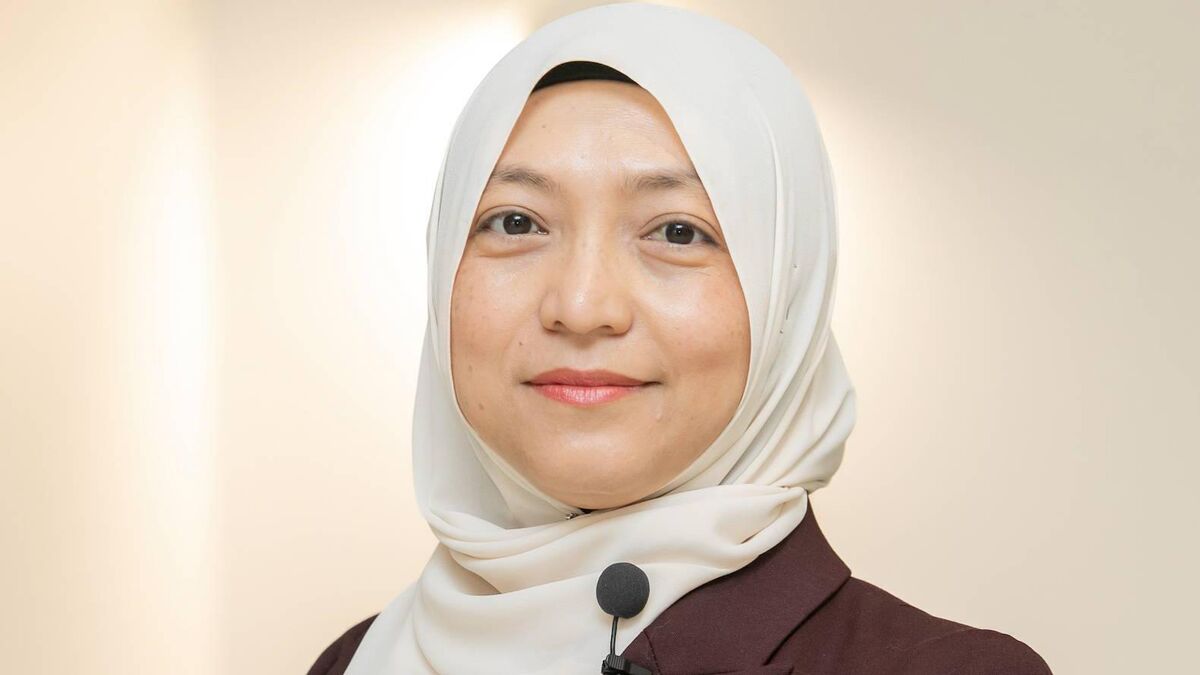
Ophthalmology has historically been male-dominated, but that’s changing rapidly, says Farah Ibrahim.
Name: Dr Farah Ibrahim
Age: 45+
Lives: Ballincollig, Cork.
Job title: Executive Consultant Ophthalmologist, Veonet Ireland Cork & Veonet Group Medical Board Member
Education background: I grew up and completed my primary and secondary education in Malaysia. I was fortunate to receive a scholarship to study abroad, which brought me to Ireland, where I completed my Leaving Certificate at The Institute of Education, Dublin. I then pursued medicine at the University of Leicester in the UK, where I graduated and completed my medical internship.
Returning to Ireland, I undertook specialist training in Ophthalmology with the Irish College of Ophthalmologists, completing my journey to consultant level.
Hobbies: I love getting lost in a good book, travelling whenever I can, discovering amazing food, and recharging with quiet time, a soothing spa visit, or time spent with friends.
Describe your job in five words: Interesting, challenging, innovative, patient-focused, rewarding.
Describe yourself in five words: Curious, compassionate, driven, engaging, people-oriented.
Personality needed for this kind of work: Empathy, patience, and meticulous attention to detail are essential. A genuine curiosity about science and technology helps you stay at the forefront of innovation. Strong communication skills are vital — both for explaining complex diagnoses to patients and for collaborating with multidisciplinary teams.
A calm temperament is invaluable, especially when managing urgent or complex cases.
How long have you been in this role?
I joined Veonet Ireland in 2025, an incredibly exciting time as the Veonet Group expands into Ireland. Being part of the founding clinical team establishing this new service is both a privilege and a career highlight.
Salary Bracket: My earnings fall within the recognised consultant scale in Ireland, which varies depending on experience, seniority, and additional responsibilities.
How did you get this job?
After years of practising independently as a Consultant Ophthalmologist in both public and private sectors, I realised that one of my greatest passions lies in building strong teams and shaping clinical services.
This role offered the perfect opportunity to combine clinical excellence with leadership and innovation. I wanted to challenge myself further, grow my leadership skills, and contribute to developing a new, patient-centred ophthalmology network in Ireland. I take great pride in empowering colleagues, supporting their growth, and helping teams perform at their best — so stepping into this role felt like a natural evolution.
Do you need qualifications or experience?
Yes. To become a Consultant Ophthalmologist, you need a recognised medical degree, completion of specialist ophthalmology training and postgraduate examinations, with registration on the Specialist Division of the Irish Medical Council.
Describe a day at work:
A typical day balances patient care with clinical leadership. I spend much of my time examining patients, reviewing diagnostic results, and developing tailored management plans. Beyond the consultation room, I oversee clinic operations, review clinical processes, and ensure that our services are delivered safely, efficiently, and with the highest standards of care.
How many hours do you work a week?
I currently work full-time, which includes both clinical and non-clinical responsibilities.
Is your industry male or female-dominated?
Ophthalmology has historically been male-dominated, but that’s changing rapidly. The future of the field is looking far more balanced and diverse, which is inspiring to see.
Does this affect you in any particular way?
It motivates me to encourage more young women to consider ophthalmology as a career. Representation truly matters. Being part of a growing cohort of women in the field allows me to advocate for visibility, mentorship, and balance. I’m proud that Veonet Ireland fosters a culture that is both supportive and inclusive — one where everyone can thrive.
Is your job stressful? How? Rate it on a scale of 1–10.
I’d rate it around 8/10. The stress comes from the responsibility — eye health is precious, and decisions can have major consequences. That said, the rewards, strong teamwork, and positive patient outcomes make it worthwhile. The moment a patient says, “Thank you for making my eye better,” it brings everything back into perspective.
Do you work with others or on your own?
Both! I work independently with patients, but ophthalmology is highly collaborative. I work closely with optometrists, nurses, technicians, and fellow consultants. The team dynamic is one of the greatest strengths of the field.
When do you plan to retire or give up working?
I don’t have a fixed age in mind. As long as I’m healthy, still enjoying the work with its challenges, and feel I’m offering the best care possible, I’ll continue. Ophthalmology evolves constantly, which keeps it exciting and intellectually stimulating.
Best bits:
Being able to see patients’ vision improvements and the positive impact on their lives, and using cutting-edge technology. The patients — memorable, surprising, and endlessly rewarding. Being part of Veonet Ireland’s exciting new chapter.
Worst bit:
For me, it’s the emotional weight. When you really care about someone’s recovery, you can’t help but worry. I think about my patients long after my workday ends. It’s not something you can just leave at the door, even though you learn to manage it.
Advice to those who want your job:
Be curious, stay determined, ask questions, and find mentors. Don’t be put off by the long training path — it’s absolutely worth it. If you enjoy precision, technology, and helping people in a tangible way, ophthalmology is an incredible career.
Any other comments:
Ophthalmology blends innovation, precision, and compassion, and playing a role in improving someone’s vision is incredibly rewarding. With Artificial Intelligence (AI) poised to transform eye care in the near future, it’s an exciting time to be part of this evolving field.
I feel genuinely privileged to be part of the Veonet Ophthalmology Group – an innovative, proactive ophthalmology community dedicated to outstanding clinical outcomes across Europe and the UK. Thanks to its international platform, we can explore the latest innovations and bring new solutions to patients quicker, driving continual improvement in patient care.







 App?
App?


