Does sunscreen expire? Everything you need to know about SPFs
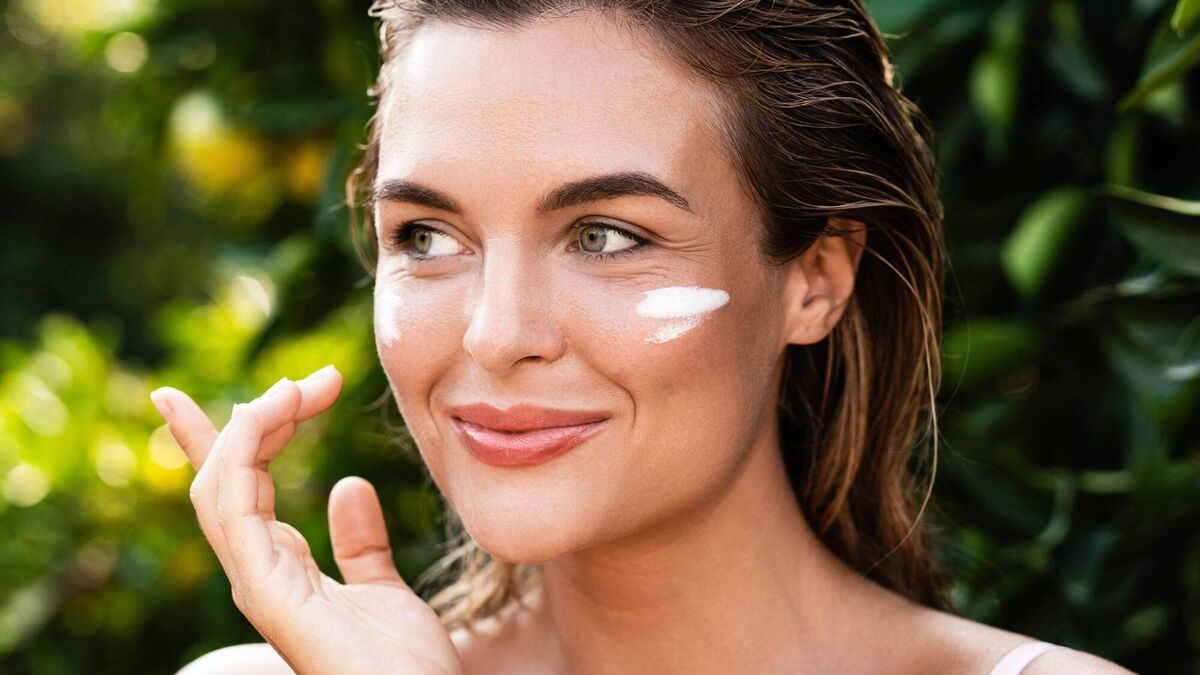
Here's everything you need to know about SPF as the sun makes a comeback. Picture: Alamy/PA.
The sun made its first outing of the year in recent weeks, and while the temperatures are remaining on the chilly side, the UV is still high enough to catch some colour.
While some may be risking the sun with no protection, others may be fishing around for an old sunscreen to get them through.
But something to bear in mind is that little label on the bottle known as the expiration date.
It’s understandable not to want to waste a product, especially when it still looks fine, but the risks of using an expired SPF aren’t worth it.
Doctors and experts explain why expiration dates matter and everything else you need to know about SPFs.
Does sunscreen expire?
Like any beauty product with active ingredients, SPFs and sunscreens expire, useable for a maximum of three years.
“It’s crucial to check expiration dates to ensure the effectiveness of the SPF,” says founder and former head of The Melanoma and Skin Cancer Unit (MASCU) in East Grinstead in the UK, Paul Banwell.
“If there is no expiration date on the bottle, it is usually determined to be useable for up to three years after purchase.
If the label has peeled off or become unreadable, Banwell says there are other ways of testing whether your SPF is still useable.
“Check for any changes in smell, texture and colour,” he says. “Expired sunscreen may present as a more yellow or brown colour, with a lumpy or grainy texture, and may smell different from when you purchased it.”
What happens if you use expired sunscreen?
Over time, SPFs become less effective as the ingredients begin to expire, meaning using them will no longer protect you from the sun.
“Expired sunscreen loses its ability to protect against UV rays, increasing the risk of sunburn, premature ageing and skin cancer,” explains aesthetics doctor and skin expert Dr Munir Somji of Dr MediSpa Clinics.
“The breakdown of active ingredients can also cause irritation or uneven application, leading to patchy protection.
“This is why I emphasise the importance of using fresh, high-quality SPF daily to ensure complete sun protection year-round.”
The longevity of your sunscreen also depends on its formula and whether it is chemical or mineral based.
“Chemical sunscreen works by absorbing UV rays and changing them into heat, then releasing that heat from the skin,” explains Banwell.
“Mineral sunscreens work by sitting on top of the skin to form a shield. They scatter damaging UV rays away from the skin.”
Mineral – or organic – sunscreens are free from harmful chemicals, such as parabens and phthalates and are often popular among children’s skincare.
These often last longer due to the fact they use zinc oxide and/or titanium dioxide to physically block the sun’s rays.
“Chemical sunscreen tends to deplete faster due to certain ingredients such as oxybenzone, avobenzone and homosalate, which are more prone to oxidation when exposed to sunlight, heat or moisture,” says Banwell.
How to store your sunscreen and SPFs
Like most skincare, storing in a cool and dry environment is crucial for longevity and ensuring your sunscreen doesn’t get contaminated.
The experts say upright in a cool dry cupboard or drawer is the best place for sunscreens and most beauty products.
There are, however, several places to avoid leaving your sunscreen.
“Car dashboards or glove compartments,” says skin and aesthetics expert Dr Ed Robinson, “as cars can heat up quickly, even in mild weather.
“Also windowsills and bathrooms near heat sources, as prolonged exposure to sunlight can degrade the formula and heat and steam from showers can affect its stability.”
What factor to choose
A sunscreen’s Sun Protection Factor (SPF) is the time in minutes that it would take for your skin to start burning once applying.
For example, if you apply SPF 15, that means it would take 15 times longer for your skin to burn than if you were not wearing any at all.
“So, if it normally takes 10 minutes for you to start burning, SPF 15 would theoretically give you 150 minutes of protection,” says Face the Future’s clinic lead Kimberley Medd.
“SPF 30 blocks about 97% of UVB rays, SPF 50 blocks about 98% of UVB rays and SPF 100 blocks about 99% of UVB rays.”
Medd says that SPF 30 is the minimum recommended by most dermatologists and reapplication every two to three hours is important with whatever SPF you use.
The difference between facial and body SPFs
Protecting our skin from the sun is a no brainer – but what products to use is another question.
With an array of facial sunscreens and body SPFs available, sometimes it’s tricky to tell if it’s necessary or just marketing.
“Facial sunscreens tend to be a bit lighter for the face skin, and some manufacturers will focus more on ‘cosmetic elegance’ and formulate facial sunscreens slightly differently,” explains Banwell.
This means some facial SPFs are formulated to be non-comedogenic, which means they do not clog the pores, to avoid acne breakouts.
“Although, of course, you can still use proprietary body SPFs on the face,” says Banwell, they just may lead to slightly greasier skin.
How to wear SPF with make-up
We’re told to reapply our SPF every two to three hours, but if we’re wearing make-up that makes the task particularly inconvenient.
Many make-up products now contain SPF, but Medd says this offers near to no protection by itself.
She suggests applying a layer of SPF 50 before your make-up then topping up with a translucent spray.
“Powder sunscreens or setting sprays with SPF can help with reapplication over make-up, so these are worth considering if you want continuous protection throughout the day. Make sure that your makeup has broad-spectrum SPF to protect against both UVA (aging rays) and UVB (burning rays) radiation,” she says.







 App?
App?


