What to look out for when viewing a house
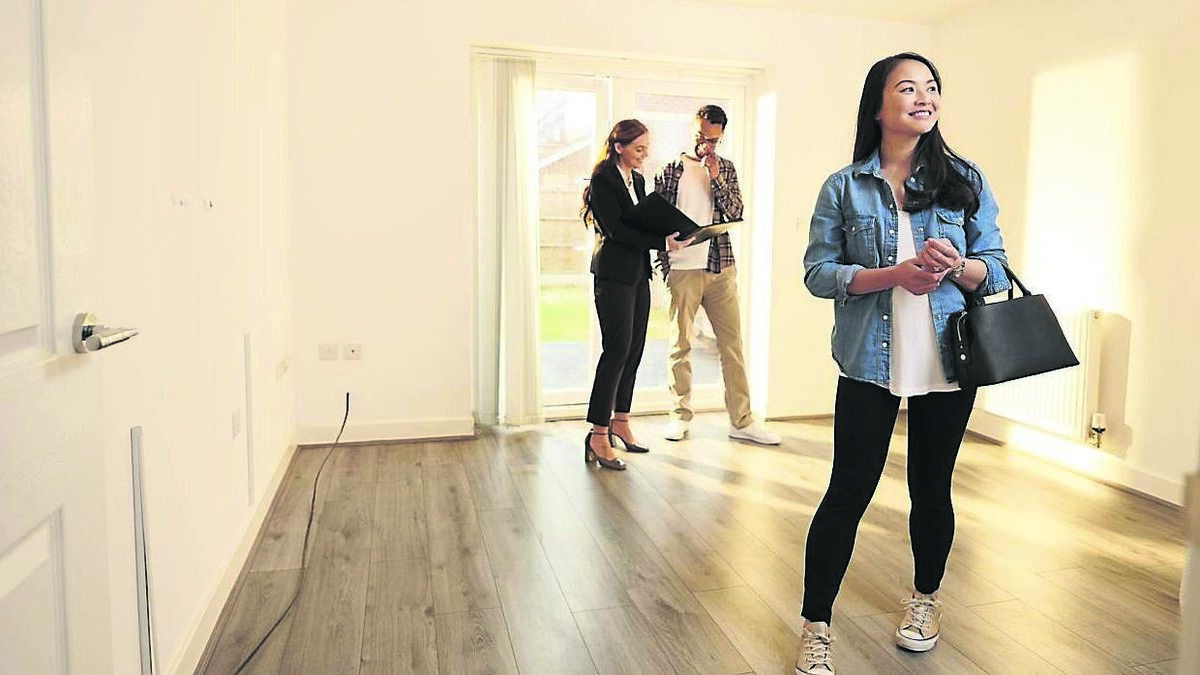
A couple viewing a house. Below Majella has listed a number of things people should keep an eye out for.
However, it’s also a time to be highly observant. The decisions you make during a viewing can affect not just the purchase, but your experience of living in the home for years to come.
Here’s a guide to help you view a house with a buyer’s mindset, ensuring you spot any red flags and make a well-informed decision.
Your initial view of the exterior can provide a wealth of information about the property’s condition.
Before stepping inside, here are some key things to assess:
Roof and Guttering: Examine the roof for signs of wear, missing tiles, or sagging.
Exterior Walls and Paintwork: Cracks in the walls, particularly large or diagonal ones, could indicate structural issues.
Small hairline cracks may not be a concern, but anything significant should be flagged for further inspection.
Faded or chipped paint may seem cosmetic, but could indicate a lack of maintenance.
Windows and Doors: Are the windows double-glazed? Check for condensation between the panes, which could mean a broken seal.
Try opening and closing doors and windows to see if they stick or are in good working order. Replacing windows and doors can be expensive, so it’s worth noting their condition.
Outdoor Space: Whether the property has a garden, terrace, or driveway, ensure it’s functional for your needs.
Are the fences secure? Is the garden manageable for your lifestyle? Also, think about potential for expansion – could you build an extension or add value with landscaping?
While it’s easy to be charmed by a stylish interior, it’s important to look past décor and focus on the condition of the structure and essential systems.
Structural Concerns: Take note of any unusual slopes in the floors or walls, which could indicate subsidence.
Also, be mindful of damp. A musty smell, discoloured patches on the walls, or peeling wallpaper can all indicate water ingress.
Lighting and Aspect: Don’t just rely on artificial lighting during your viewing. Are there large windows that bring in natural light?
The direction the windows face can also influence how much sunlight the rooms get throughout the day. South-facing rooms generally receive the most sunlight, making them warmer and more desirable.
Plumbing and Heating: Ask to see the boiler, fuse box, and plumbing systems. A well-maintained boiler is a must, as replacing an outdated one can be costly.
Check water pressure by turning on taps and flushing toilets.
It’s also worth asking about insulation and the energy efficiency of the home - higher energy ratings (BER) mean lower bills and greater comfort during colder months.
Does the kitchen or bathroom need modernising? Older fixtures can detract from the home’s value, but they can also be an opportunity if you’re open to renovations.
For example, could a wall be knocked down to create an open-plan space?
The property itself is just one piece of the puzzle; where it’s located can significantly affect your decision.
Local Amenities: What’s nearby? Take a stroll around the neighbourhood to see if there are parks, schools, shops, or other amenities you’d value. Is it a quiet, family-friendly area, or more lively and urban?
Noise Levels: Stand outside the house for a moment - can you hear traffic, construction, or loud neighbours? Noise pollution can quickly turn a dream home into a nightmare.
Transport Links and Parking: If you drive, check for on-street parking or dedicated spaces. For public transport users, proximity to bus stops or train stations can be a huge advantage.
Future Developments: Ask about future plans for the area. New roads or developments might affect the tranquillity or resale value of the property.
You can check local authority planning applications online for upcoming projects.
The more questions you ask during a viewing, the better prepared you’ll be.
Ask the agent for details about the property’s history, any renovations, and its maintenance.
- How long has the property been on the market?
- Why is the owner selling?
- Are there any ongoing issues with the property (e.g., disputes over boundaries)?
- Are the appliances or furniture included in the sale?
- What are the running costs (e.g., utilities)?
Don’t feel rushed during the viewing. It’s perfectly fine to bring a checklist and work through each item methodically.
If you’re unsure about anything, consider arranging a second viewing with a trusted friend or family member who can provide an unbiased perspective.
By keeping an eye out for potential issues and assessing how the property fits your needs, you’ll be well on your way to finding the perfect home.
Get your checklist for viewing a property by scanning the QR code or visit www.dnggalvin.ie
Majella Galvin is an Estate Agent, Chartered Surveyor and RICS Registered Valuer at DNG Galvin Auctioneers, Bandon. She has been working in the property sector for over a decade and has built up a wealth of knowledge and experience of the property market throughout the years. Majella holds a BSc in Real Estate & Valuations from the University College of Estate Management, Reading. She is member of the Society of Chartered Surveyors Ireland and the Royal Institution of Chartered Surveyors.
Majella is passionate about helping people make informed decisions when buying or selling a property. She writes weekly blogs to help buyers and sellers which can be found on www.dnggalvin.ie







 App?
App?


