Advice if your child is being bullied
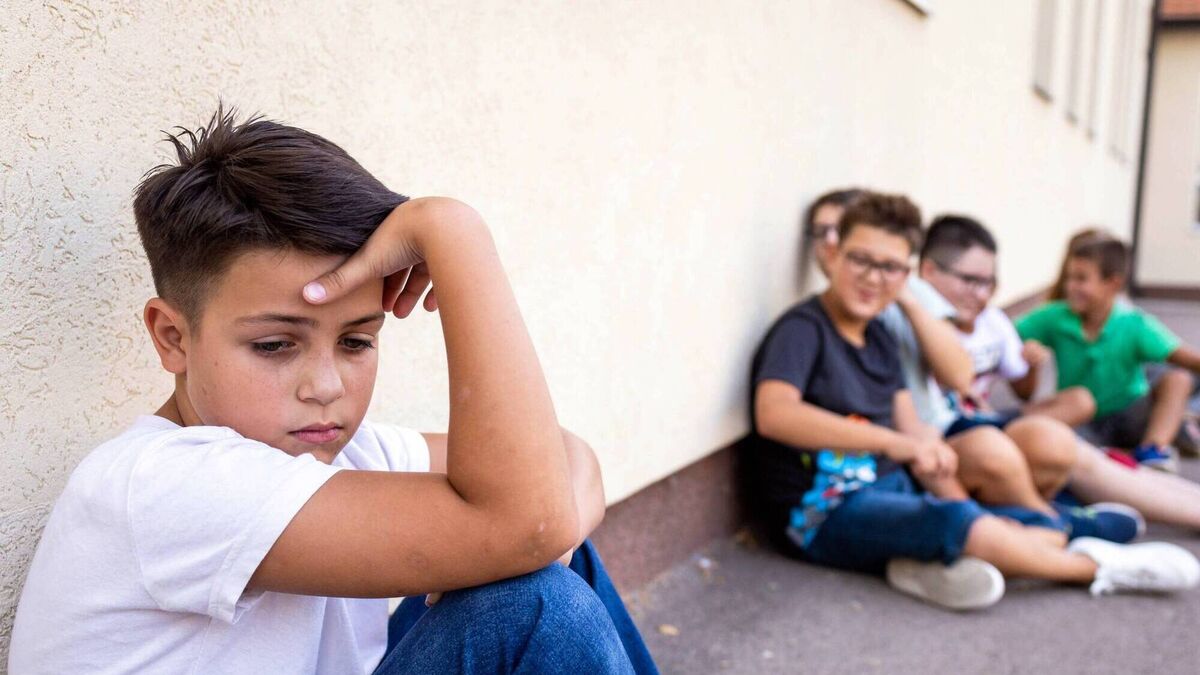
What should you do if you think your child is being bullied at school? Lisa Salmon asks the experts
Advice if your child is being bullied

Half of parents dread sending their children back to school due to bullying, according to a new study.

A NEW school year can be very scary for some kids – as the toxic dynamic between bullies and the children they target could resume.

The prospect of a new year of bullying, or the first experience of being a target for school bullies, can blight the lives of pupils and become something that terrifies both them and their parents, who are often unaware of the persecution of their child.

Indeed, new research by the anti-bullying charity The Diana Award for its #BacktoBullying campaign has revealed 65% of children are scared of going back to school, with a third saying the thought of returning to school makes them want to cry. And it’s not just the kids who are scared – the study found half of parents dread sending their children back to school due to bullying.

“When the new school year starts it can be an exciting and sometimes unsettling time for children,” points out Martha Evans, director of the Anti-Bullying Alliance (ABA). “There will be new pupils, new class groupings and, for some, new schools. It can be a worrying time and we’re often told friendships and bullying are high on the list of worries.

Parents should be aware of the signs that their child might be on the receiving end of bullying behaviour, and know how to respond.

Evans says research suggests being bullied can have serious implications for a child’s life chances, with the effects often lasting into adulthood. That’s why anti-bullying training and programmes for schools, including Anti-Bullying Week (November 13-17), are so vital for schools to help tackle the problem.

Evans says it’s useful for parents who are concerned about bullying to understand exactly what bullying is, as “it’s not just ‘falling out’ or ‘banter’”.

 The ABA defines bullying as: “The repetitive, intentional hurting of one person or group by another person or group, where the relationship involves an imbalance of power. Bullying can be physical, verbal or psychological. It can happen face-to-face or online.” 

 Martha Evans.
 Martha Evans.

What are the signs of bullying?

Martha Evans, director of the UK Anti-Bullying Alliance (ABA) says warning signs of bullying may include…

Coming home with torn clothes or missing belongings.

Unexpectedly not wanting to go to school.

Complaining of unexplained illnesses or headaches.

Becoming quiet and withdrawn.

Children who are being bullied may want to leave for school much earlier than necessary or come home late to avoid other children.


What should you do if your child is being bullied?

Stay calm

“You should focus on gently speaking to your child and listening carefully,” she explains. “Your job is to reassure them that it can be sorted out.”

Get the facts

Talk calmly to your child and establish what’s happened and who did what, and when.

Keep a diary of when the bullying happens - to see the pattern of bullying over time and share it with the school, if and when you decide to speak to them.

Tell them not to retaliate

Evans says parents shouldn’t encourage their child to retaliate to bullying, especially through violence, as it can have negative and unpredictable results. Instead tell your child to walk away and get help.

Be aware of mental stress

Don’t underestimate the effect bullying can have on a child’s mental health and keep an eye out for warning signs.

If your child is showing signs of serious distress, such as depression, anxiety and self-harm, always see a GP.

Find out what your child wants

Parents should ask their child what they want to happen next, and help them to identify their choices, the potential next steps to take, and the skills they have to help stop the bullying.

Speak to the school

Ask to see the school’s anti-bullying policy, so both you and your child know the process for getting things sorted out, advises Evans.

Don’t let them blame themselves

Make it clear that bullying is never acceptable and if a child or young person is being bullied then it’s others who are to blame, not them.

More in this section

Gail Doyle: ‘My intention wasn’t to be an influencer... it was to educate women’ Gail Doyle: ‘My intention wasn’t to be an influencer... it was to educate women’
Emer O'Callaghan: Alcohol can have an impact on our skin...let’s be more drink aware Emer O'Callaghan: Alcohol can have an impact on our skin...let’s be more drink aware
Woman holding a bowl of soup food photography recipe idea Emer O'Callaghan: Tips to beat those November blues, ladies

Sponsored Content

JSA Planning strengthens Cork presence as region prepares for next phase of growth JSA Planning strengthens Cork presence as region prepares for next phase of growth
CanesMeno sponsored Menopause: One in four say the biggest emotional burden is the pressure to appear fine
Tesco How Tesco is helping build friendship, purpose and community under one Men’s Shed roof
Contact Us Cookie Policy Privacy Policy Terms and Conditions

© Examiner Echo Group Limited

Add Echolive.ie to your home screen - easy access to Cork news, views, sport and more