How parents can help their child to make friends in secondary school
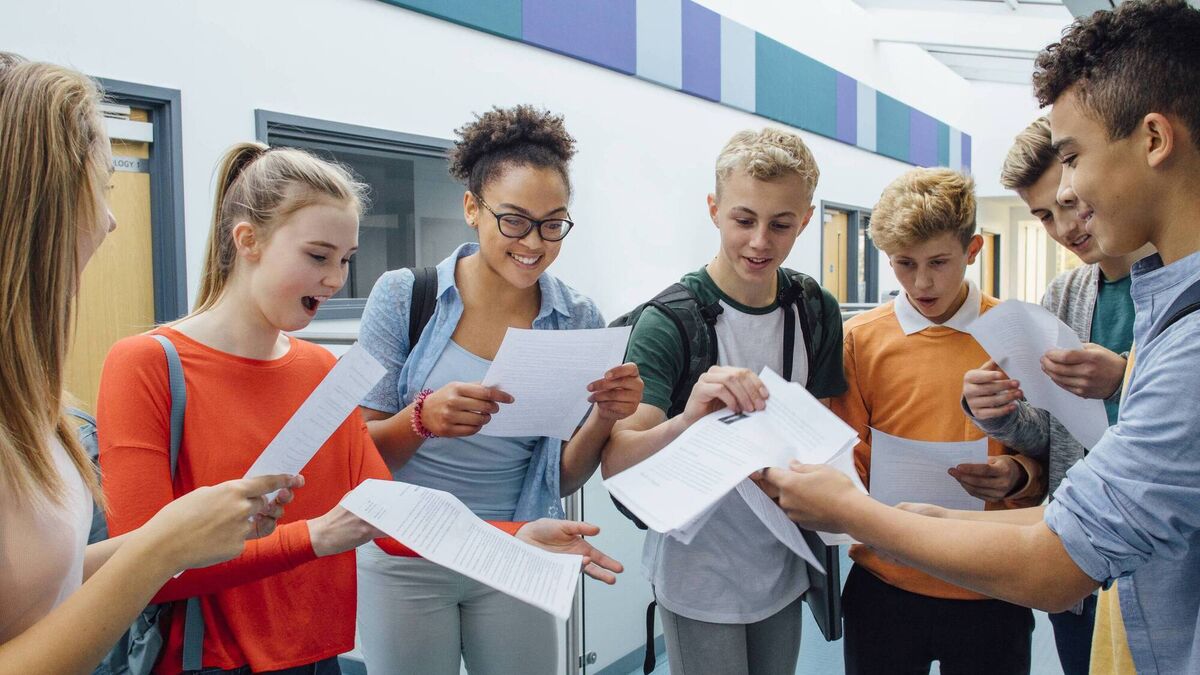
Secondary school should be an enjoyable and enriching experience for every student - building a strong friendship group can help. Here’s some advice parents can share with their children, writes SAM WYLIE-HARRIS
How parents can help their child to make friends in secondary school

A part of what makes starting secondary school exciting is being able to take part in new activities and initiatives, such as sports clubs and other extracurriculars.

BACK to school… those three words mean many things to many people – but it’s safe to say, with a new school year comes the unknown: What will it be like, and will I fit in?

“Starting a new school year can stir up an array of emotions in young people,” says Yvonne Kekeliadis, creator of Brightstarz, an organisation which runs workshops to help teens and tweens learn life skills.

“The prospect of academic and social pressures, whilst exciting for some, can leave others feeling dread and trepidation as the summer holidays draw to a close.”

She says building up a social safety net of peers in whom they can confide is a critical part of ensuring young people feel supported – and enjoy their time in secondary school. This is particularly important for children making the leap from primary school to secondary, says Kekeliadis.

Therefore, it’s imperative young people are equipped with the skills and support to be able to foster healthy, positive friendships.

Principal at Impington Village College in Cambridge, Victoria Hearn says: “The transition to the next stage of their education can be an exciting time for students, but for some, the change of routine, environment, and teachers, coupled with the loss of some of their established network of friends, can be daunting.”

Secondary school should be an enjoyable and enriching experience for every student, says Hearn, and building a strong friendship group can play a key role in making this a reality.

Key tips which parents should share with their child include…

Be proactive and don’t be afraid to reach out to others

“The most important thing for students starting secondary school to remember, is that everyone is in the same boat,” says Kekeliadis.

“Moving from a small class of 30 to a school year of more than 100 can feel incredibly daunting – and while it takes confidence to put yourself out there and take the first step, it will help to put others at ease who will be feeling shy, too.”

Be open-minded

Kekeliadis says a part of what makes starting secondary school exciting is being able to take part in new activities and initiatives, such as sports clubs and other extracurriculars.

“This also provides a fantastic opportunity for students to meet peers who share similar interests,” encourages Kekeliadis.

Helping them to form a bond and eventually a friendship.

As well as taking advantage of an array of extracurricular activities, Hearn says to encourage them to support local, national, and international volunteering projects.

“Which enables them to meet new people and work together to support a cause greater than their own individual needs.”

Set healthy boundaries

“When young people enter a new social situation, they are likely to feel pressure to fit in, and while having a strong social group is important to a child’s wellbeing, it’s vital young people know how to step away from an unhealthy friendship,” advises Kekeliadis.

To encourage the setting of these boundaries, she says parents should ensure their child knows that it’s okay to tell a friend ‘no’ when they are feeling uncomfortable – as well as when it’s best to speak to an adult if they feel they are being pressured.

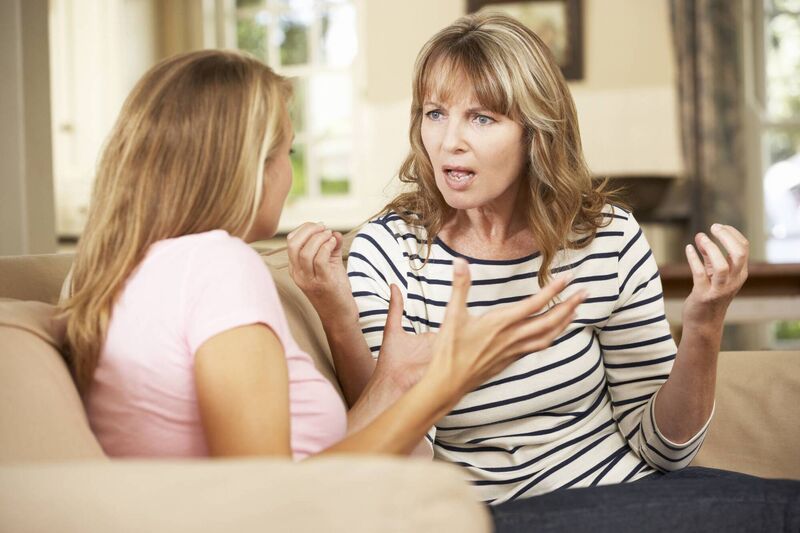
Listening to your child’s concerns and providing reassurance is often all students need to approach making friends with confidence.

Conversation is key

Parents, guardians, and teachers can all have a positive impact on a student’s ability to make friends, says Hearn, but it’s important to remember every child is different and moves at their own pace.

“If your child hasn’t made hundreds of new friends within the first week of school, it doesn’t necessarily mean they won’t soon establish a strong friendship group. At all times, but particularly around periods of change, I encourage parents and guardians to engage in frequent open conversations with their child(ren), to check in with them regularly,” advises Hearn.

And, most importantly, validate their feelings.

Listening to your child’s concerns and providing reassurance is often all students need to approach making friends with confidence, suggests Hearn.

Ask for support

Hearn says at the heart of every education provision should be a desire to help all children thrive…

“For the last four years, we have not grouped students with their friends from previous schools when they join us in Year Seven,” notes Hearn.

“Instead, we create mixed ability, balanced groups, where students are able to interact with a wide range of other pupils.”

She says this has proved hugely successful in ensuring all students feel they are included – and presented with the best opportunities to make new friends.

“Your child(ren)’s school should also have an established pastoral support network to help them through any challenges they are facing,” says Hearn.

“Please encourage your child to reach out to their tutor when necessary,” she urges. 

Or, if required, contact their school directly with any concerns.

Hearn continues: “The transition to secondary school can be daunting for students, but with the support of families and teachers, we can ensure every child gets the absolute most out of their experience – and establishes friendships that will extend far beyond the school walls.”

Read More

Dishes to teach a teen before they leave home - from pasta sauce to stir-fries

More in this section

Pictures: Women descend on Cork's City Hall for special event to mark IWD  Pictures: Women descend on Cork's City Hall for special event to mark IWD 
Woman Doctor Or GP In Office Meeting Teenage Female Patient For Appointment Dr Catherine Conlon: Health issues every woman should know about
Julie Helen: 'I feel relieved that I have made it to 41, beyond all the warning milestones' Julie Helen: 'I feel relieved that I have made it to 41, beyond all the warning milestones'

Sponsored Content

The power of the G licence The power of the G licence
Happy couple receiving new house keys from real estate agent Time to get to grips with changes in rental laws
Boatbuilder turned engineer proves alternative paths can lead to success Boatbuilder turned engineer proves alternative paths can lead to success
Contact Us Cookie Policy Privacy Policy Terms and Conditions

© Examiner Echo Group Limited

Add Echolive.ie to your home screen - easy access to Cork news, views, sport and more