What are kegel exercises? And why should we do them?
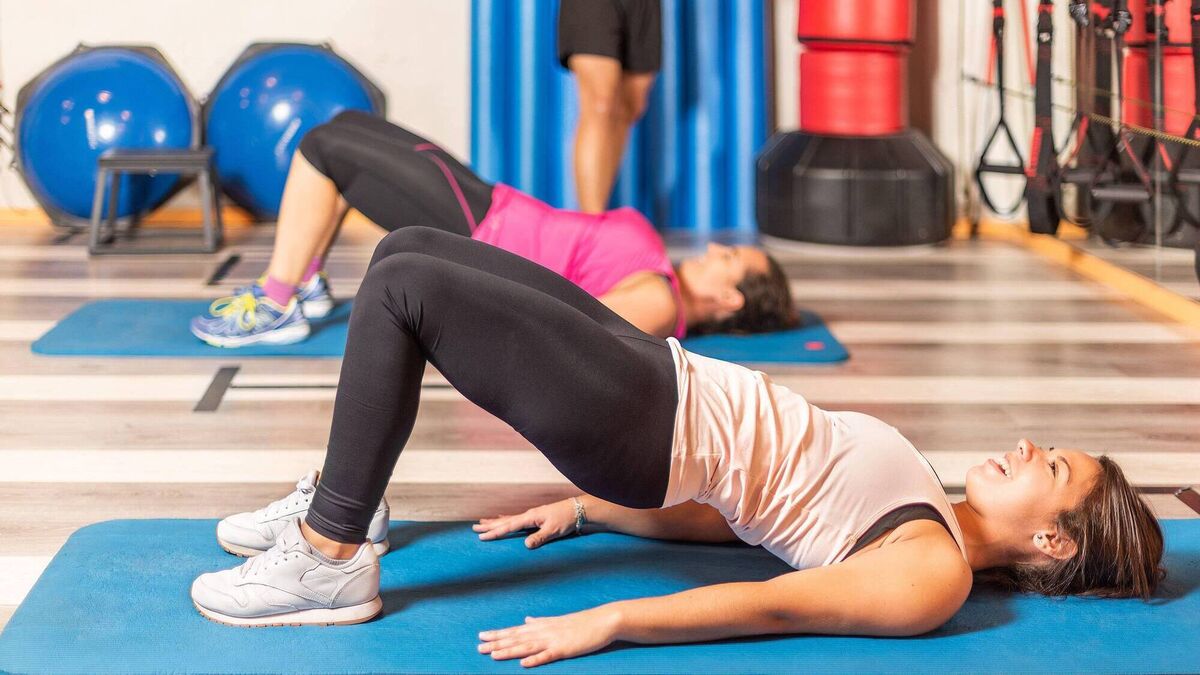
Issues linked to pelvic floor weakness are common – but there are solutions. Imy BrightyPotts finds out more
What are kegel exercises? And why should we do them?

30% of women have had trouble with wetting themselves when they laugh or sneeze, according to a new report.

EVER noticed you leak a little bit of pee when you jump, or when you do squats at the gym?

Some 30% of women have had trouble with wetting themselves when they laugh or sneeze, according to a recent survey by sexual health and pleasure brand, Lovehoney. It’s a lot more common than many of us think – and is often linked to a weak pelvic floor.

These are the muscles that span the base of the pelvis, and they play a vital role in supporting our pelvic organs – including the bladder – and our ability to ‘hold things in’. For this reason, a weak pelvic floor can result in issues like urinary leakage or incontinence.

Issues with your pelvic floor muscles can often occur after childbirth.

Why does it happen?

As GP and sexual function specialist Dr Anand Patel, who recently appeared as an expert on E4’s Embarrassing Bodies, highlights, these issues “most commonly occur after childbirth or after the menopause, but injuries or nerve damage can also create them”.

Indeed, while pregnancy is recognised as one of the main factors, the pelvic floor muscles are important for everyone and play a role in things like sexual function too – for example, affecting sexual sensation in women and ejaculation in men.

A hidden issue

According to Lovehoney’s research, almost half of those affected by things like urine leakage (49%) said they haven’t spoken to anyone about it. This means many people may not realise what’s actually going on – and without being able to talk to friends, family or healthcare professionals about these concerns, they may be left feeling even more anxious and isolated.

As Dr Patel notes, these things can have a big impact across people’s lives, affecting “mood, self-confidence, body image, sexual function, sleep, exercise, and your relationship”.

Lovehoney’s survey found 34% of respondents say it’s impacted their sex drive, with 31% saying it’s impacted their relationships with sexual partners. In addition, 37% say that this has impacted their general wellbeing.

A photo of vaginal weights which can be used to help strengthen your pelvic floor.

How can I make my pelvic floor stronger?

The good news is, there are things you can do to strengthen your pelvic floor. One of the ways is by doing regular Kegel exercises. These are highly recommended by health visitors and midwives for people who have had a baby, as a way of re-strengthening the area, which may have become damaged or torn. But they’re also a good idea for anyone.

According to Dr Patel, Kegel exercises are simple to perform.

“Squeeze down, like you want to stop the flow of your wee. Hold for a few seconds and release. Repeat this 15 times,” he explains.

“Don’t overdo it – once or twice a day is fine. Longer holds help muscle strength, short holds help reduce coughing or sneezing-related incontinence.

“Consider Kegel exercises using some vaginal weights,” Dr Patel adds.

The silicone weights come in a variety of sizes – and, as he explains, are designed as “both prevention and cure”, helping avoid issues in the future too.

For men, tensing and relaxing the area while doing things like hip thrusts or stretches will help to improve their pelvic floor muscles.

Regular, daily Kegels – even if they are just done sitting at your desk or while waiting for a bus – will help ensure you have a strong pelvic floor and minimise the risk of incontinence both now and later in life.

However, don’t be afraid to seek more help for any incontinence issues you may be facing.

“If the condition is not improving at all, speak to your GP. It may have caused your bowel, bladder or womb to descend, so it’s helpful to have it checked,” says Dr Patel.

Things like Pilates and specialist physiotherapy may also help, if you need a bit more assistance.

More in this section

'People might say I’m banging on about sex all the time, but I’m talking about your overall health and wellness' 'People might say I’m banging on about sex all the time, but I’m talking about your overall health and wellness'
‘When we moved to Cork, I was struck by the pace women keep,' says naturopath ‘When we moved to Cork, I was struck by the pace women keep,' says naturopath
Meet the doula helping support families in Cork when they bring home baby Meet the doula helping support families in Cork when they bring home baby

Sponsored Content

"My master's at UL taught me that structured learning and a demanding career can coexist" "My master's at UL taught me that structured learning and a demanding career can coexist"
Three days of steam, music and heritage at the 62nd National Steam Rally Three days of steam, music and heritage at the 62nd National Steam Rally
How 50 years of innovation and investment have fuelled Bord Gáis Energy – and empowered Cork How 50 years of innovation and investment have fuelled Bord Gáis Energy – and empowered Cork
Contact Us Cookie Policy Privacy Policy Terms and Conditions

© Examiner Echo Group Limited

Add Echolive.ie to your home screen - easy access to Cork news, views, sport and more