Padel 100: Bringing Europe’s fastest-growing sport to towns and schools across Ireland
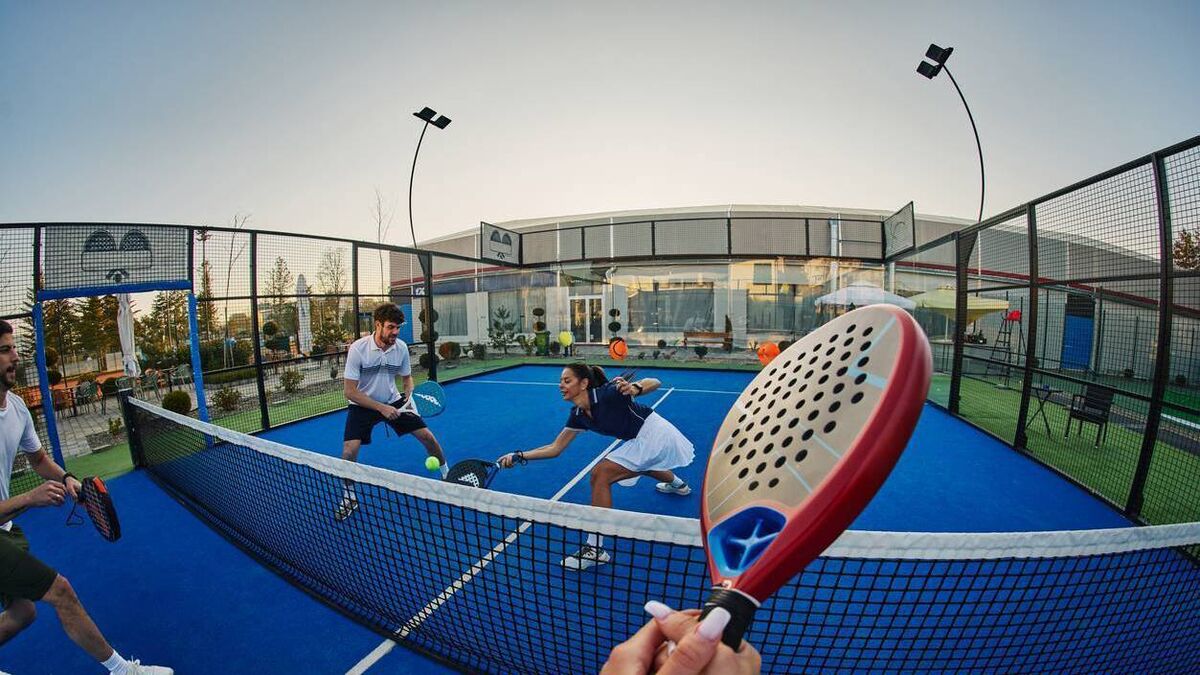
Padel 100 intends to franchise its Irish network as it grows while simultaneously bringing the model into Britain through Padel 100 UK. The company is targeting up to 30 UK franchise locations during 2027 in the UK alone.
Ben Keohane is a man on a mission. As founder and CEO of Padel 100, he is determined to bring one of the world’s fastest-growing sports into towns and communities across Ireland and, crucially, to develop covered courts that can be played throughout the year regardless of the Irish weather.
Padel 100’s ambition is to deploy 100 courts nationwide, making the sport affordable, inclusive and accessible to communities that might otherwise never have the opportunity to play.
“Our vision is very simple: to make padel accessible across Ireland. We have been working on the project for approximately 14 months, initially identifying and securing locations, with our first courts constructed last October. We now have 48 courts being deployed across 25 sites and are hoping to complete a further 22 courts before Christmas.”
That would bring the Padel 100 network to approximately 70 courts, with the company targeting its 100-court milestone during 2027. The next major phase is the introduction of covered courts, allowing clubs to operate consistently throughout all four seasons.
A major part of that expansion will take place within schools and community locations.
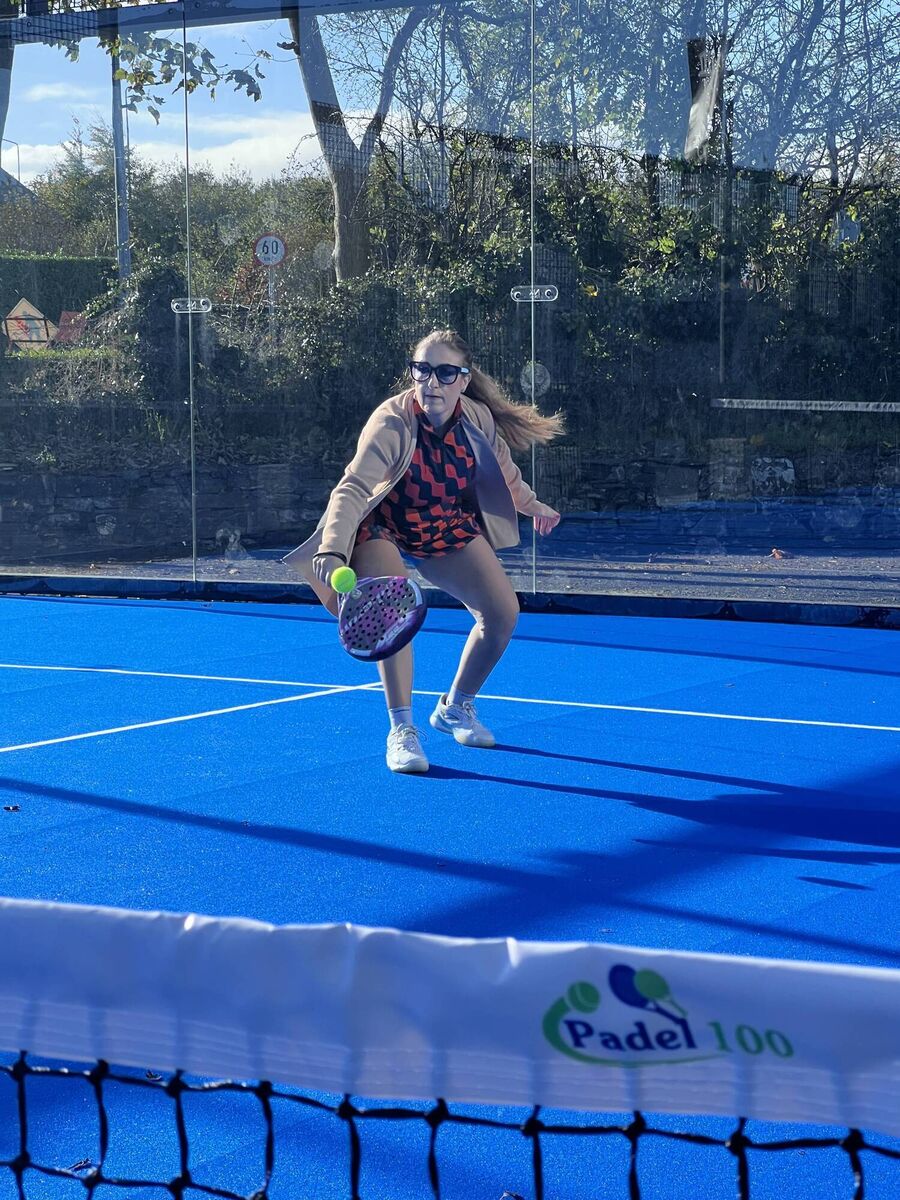
“We currently have interest from more than 200 schools nationwide, and we are working our way through those opportunities carefully. We’re particularly interested in larger schools that sit at the heart of substantial towns and communities,” Ben explains.
“The school model is something I’m particularly excited about. A school can effectively receive a brand-new sporting facility without having to fund the development itself. Students get access to padel during the school day, and outside school hours the courts become available to parents, families and the wider community.”
Padel 100 also pays participating schools a royalty from paid bookings, creating an ongoing revenue stream for the school.
“The school gets new padel courts, equipment, access to coaching and recurring income, while we get the opportunity to introduce thousands of young people and their families to the sport. We think it can be a really powerful grassroots model.”
Partnerships helping padel reach a wider audience Alongside its rapidly growing school network, Padel 100 has developed relationships with a range of hospitality, retail and community partners as it looks for innovative locations capable of bringing padel to new audiences. These include Cliste Hospitality alongside discussions and projects with other national and regional partners.
“Partnerships are an important part of what we’re doing, but ultimately our focus is on finding good locations in good communities. Hotels, schools, retailers, sports clubs and community organisations can all potentially play a role.”
Padel 100 is also progressing opportunities with Lidl, including proposed locations in Listowel and Fermoy. “Lidl is another example of the type of partnership we are exploring. What particularly interested them was the community-access element of our model and the opportunity for a sporting facility to give something tangible back to the local area.”
Central to that philosophy is Padel 100’s free community-access programme, where designated hours can be made available to schools, community organisations, charities and other groups. “We want padel to be accessible. The commercial side obviously has to work, but there also has to be a community benefit. If we can combine the two successfully, that is where the model becomes really exciting.”
Padel 100 has raised approximately €4 million to date from around 260 individual investors, with much of that investment structured through Ireland’s Employment Investment Incentive Scheme (EIIS).
During the company’s pre-revenue phase, qualifying investments benefited from 50% income-tax relief. Now that the company is trading, qualifying investments can attract 35% EIIS income-tax relief, subject to the relevant scheme conditions and each investor’s individual circumstances. For example, a qualifying €25,000 investment at 35% relief could generate €8,750 in income-tax relief, resulting in an effective net investment cost of €16,250.
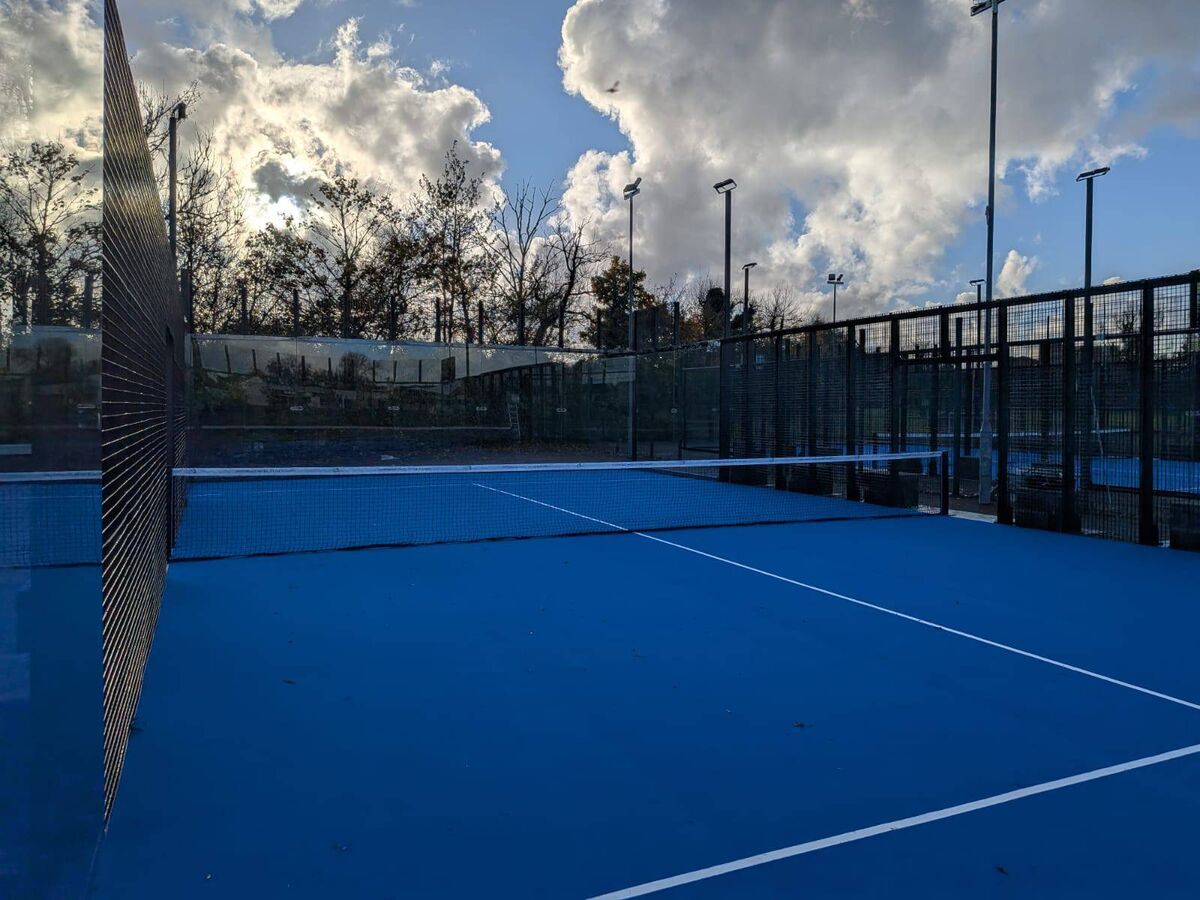
“We’re now looking at the next stage of our growth and raising additional capital to help us get to 100 courts and beyond.” Padel 100 is targeting a further €2 million in investment by the end of 2026. The company is also developing corporate membership, local sponsorship and court naming-rights programmes as additional revenue streams.
“We’ve seen really strong interest from the corporate market. Padel is incredibly social, it’s relatively easy to learn, and you can have four people on a court enjoying themselves very quickly. That makes it particularly attractive for companies looking for something different for employees.”
Perhaps the biggest change to Padel 100’s original business model is the decision to franchise its locations rather than operate every club centrally. Ben Keohane says the experience of building the network convinced the company that local operators, supported by a national organisation, represented a much more scalable model.
“We originally intended to operate every Padel 100 location ourselves. But as the network grew, it became obvious that doing everything centrally would eventually slow down our expansion. The franchise model changes that completely. We secure the location, provide the courts and, as the model develops, the covers, branding, technology, marketing and national support. The franchisee gets the opportunity to operate their own local Padel 100 business without having to find a site and fund the full capital cost of developing a traditional padel club from scratch.”
The model is aimed particularly at people who are passionate about padel and want to operate their own club but do not have the €150,000-plus traditionally required to develop one independently.
“Our objective is to dramatically reduce the barrier to entry. Rather than somebody needing enormous capital to build a club themselves, we can give the right local operator the infrastructure and support to get started for a fraction of that.”
Padel 100 intends to franchise its Irish network as it grows while simultaneously bringing the model into Britain through Padel 100 UK. The company is targeting up to 30 UK franchise locations during 2027 in the UK alone.
“We believe we’re building something genuinely different, a fully supported and ultimately fully covered Padel 100 franchise model where we secure the locations, provide the physical infrastructure and give ambitious local operators the opportunity to build their own business. For us, the opportunity is no longer simply about building 100 courts. It is about creating a model that can scale far beyond that first across Ireland and then into the UK.”
For further information, visit and