Irish missionary groups supported over one million people in 2025 from South Sudan to Cambodia
James Cox
Irish missionary organisations delivered health, education, climate resilient livelihoods and emergency support to almost 1.13 million people across the Global South last year.
This support continued even as conflict, climate change and global aid cuts made the work harder than ever.
The Irish charity that supports missionary work in some of the world’s most vulnerable communities recently released figures on the impact of Irish Aid-supported projects across the globe.
Misean Cara, an Irish non-governmental organisation made up of 77 missionary member groups working in 40 countries, has released its latest annual report that details how Irish Aid funding is helping more than one million of the most vulnerable people across the Global South.
Across the year, €13.5 million in funding, the majority from Irish Aid, helped Ireland’s missionary development organisations reach almost 1.13 million people through 344 projects in 40 countries.
It comes at a critical time: 2025 saw the sharpest annual fall in global Official Development Assistance on record, down 23.1 per cent on the previous year. Against that backdrop, Misean Cara’s model - built on missionary organisations that have often worked in the same communities for decades or generations - proved its worth.
In an interview with BreakingNews.ie, Misean Cara chief executive John Moffett explained that Irish Aid helped the group continue its work as normal, but partner organisations have been suffering from aid cuts, particularly from the de-funding of the United States Agency for International Development (USAID).
The number of Irish missionaries has shrunk, but Moffett said the nature of the work was now evolving with local partners stepping up to fill these gaps.
"One of the real advantages to a missionary approach to development is that long-term presence in communities. Historically, Irish missionaries would have travelled overseas knowing they would not be returning home and this would be their life.
"Now there is a demographic change, there aren't as many Irish missionaries, but those roles are being taken by people who have come up in religious orders locally and they are continuing to deliver on that legacy started by Irish missionaries.
"I think this is a big plus in this ability to get to know people and understand what the development priorities should be for them.
"There's a big push in international development to this localisation approach. It works very effectively."
He added: "Establishing a presence in a country has always been one of the biggest goals. An exciting thing is the number of younger people from Africa, Asia and Latin America who are joining congregations and have the same desire to give back to the community and show their faith in action through working with the poor, providing health, education and providing opportunities.
"So while the number of Irish missionaries is smaller, that legacy will continue.
"It's fantastic that we as a country have sent thousands of people and their work continues to bear fruit.
"The traditional Irish missionary may be dying out, but there are local missionaries taking up that mantle to continue this important work."
Moffett shared the story of a woman called Martha in South Sudan who is training to become a mechanic with the support of an Irish Jesuit missionary group.
"The Jesuit congregation there, and other groups of missionaries, are sometimes able to push the boundaries a littile bit working with communities to create opportunities for people, and extend rights for women and girls.
"It shows that building relationships with communities can work."
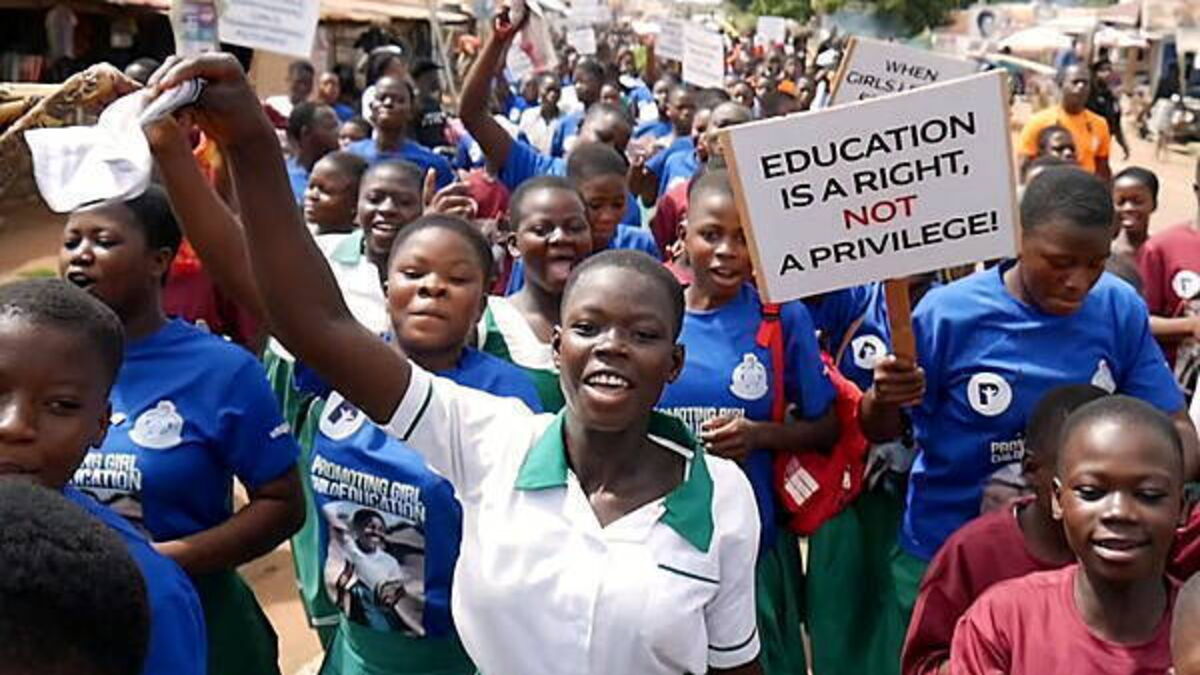
Another example of Irish missionary support in South Sudan is a school opened by Irish Loreto sister Orla Treacy.
"She's been there 15 years and has invested time and effort in understanding the culture and how to work with community leaders to give girls the opportunity to finish their education. There is pressure there for girls to marry young, often for cattle, as livestock is crucial there."
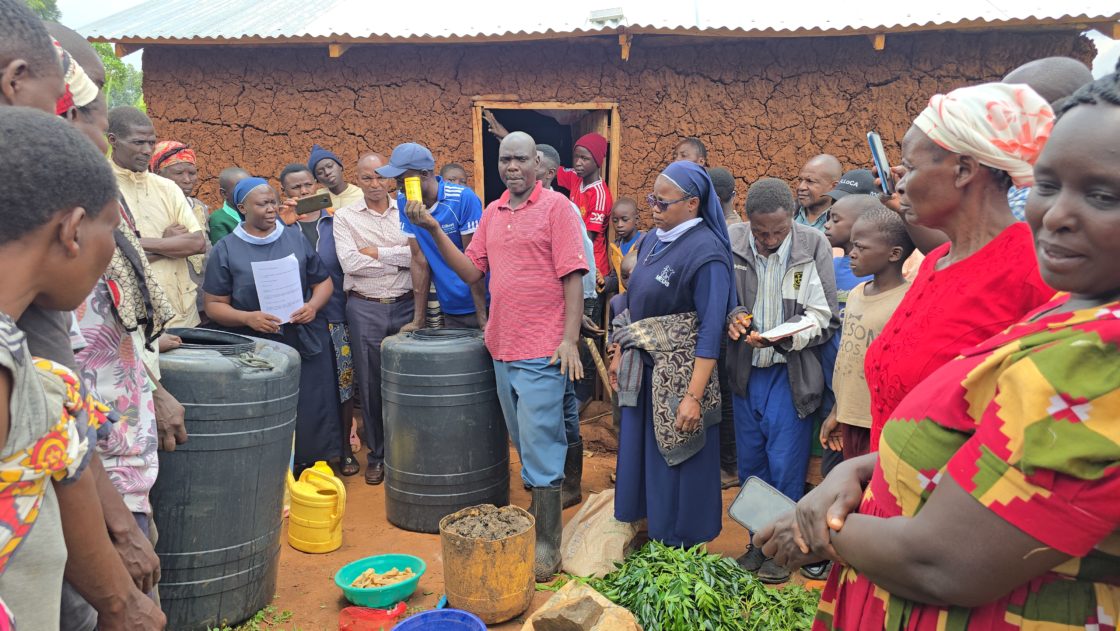
Sustainable agriculture is another area where Misean Cara assists people in the Global South.
"We have seven members working on a sustainable agriculture project. We're looking at really challenging situations for farmers with rapid climate change and rapidly changing weather patterns. We're looking at biodiversion, integrated pest management tools, to help farms to adapt quickly.
"We've been working long term with the Franciscans, who run agricultural colleges in Kenya and Uganda and they're at the cutting edge of technology and adaptation processes for small farmers to build up resilience."
Local missionaries also support people with rapid responses to natural disasters.
"We were able to respond to 32 sudden emergencies in 19 countries in 2025. The missions have a base so when something happens they are often first responders.
"In Venezuela this year for example, we have a number of groups with bases there including the Jesuits and the Salesians of Don Bosco. Once that earthquake hit, first church buildings are immediately opened up for shelter.
"They also provide morale and spiritual support, that is important when these traumatic incidents occur. On the ground providing that initial shelter, they find out what people need for those first few weeks before they can start to rebuild their lives."