Sumatran Tiger litter welcomed at Fota
Olivia Kelleher
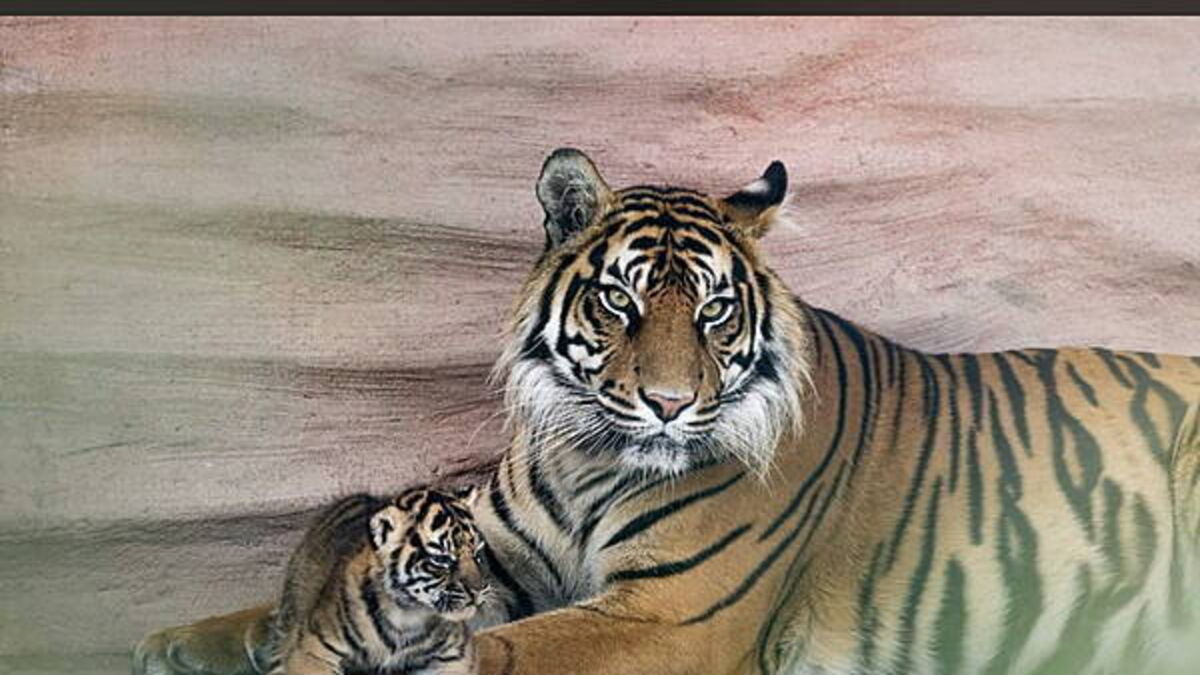
Fota Wildlife Park in Co Cork has announced the birth of their first-ever multiple-cub Sumatran tiger litter.
Two critically endangered Sumatran tiger cubs were born in the park on June 16th, to mother Jambi and father Batak.
The park has also confirmed the arrival of three endangered Asian lion cubs, born on July 1st to mother Arya and father Yali. The birth marks nine-year-old Arya’s second litter with Yali, who is 10 years old.
Sumatran tigers and Asian lions face ongoing threats in the wild, including habitat loss, human-wildlife conflict and poaching.
The Sumatran tiger is classified as critically endangered on the International Union for Conservation of Nature (IUCN) red list.
This is the highest threat category before extinction in the wild, with fewer than 350 individuals estimated to remain in their native habitat.
The Asian lion is classified as endangered by the IUCN and survives today in only one wild population, located in India’s Gir Forest.
Conservation breeding programmes in wildlife parks and zoos play a critical role in supporting its long-term survival. The last recording of the wild population was 891 individuals in 2025.
Management at Fota say that the rangers have been taking a hands-off approach and the young cubs have been nursing naturally.
“Jambi has kept them mostly in their house and only brings them out in the evenings, after the Park has closed, when the temperatures have cooled.
While lioness, Arya, has been an incredibly protective and attentive mother and one of the viewing areas for their habitat is temporarily restricted.
While the cubs are not visible publicly, but we hope to reopen access within the next few weeks as they continue to settle.”
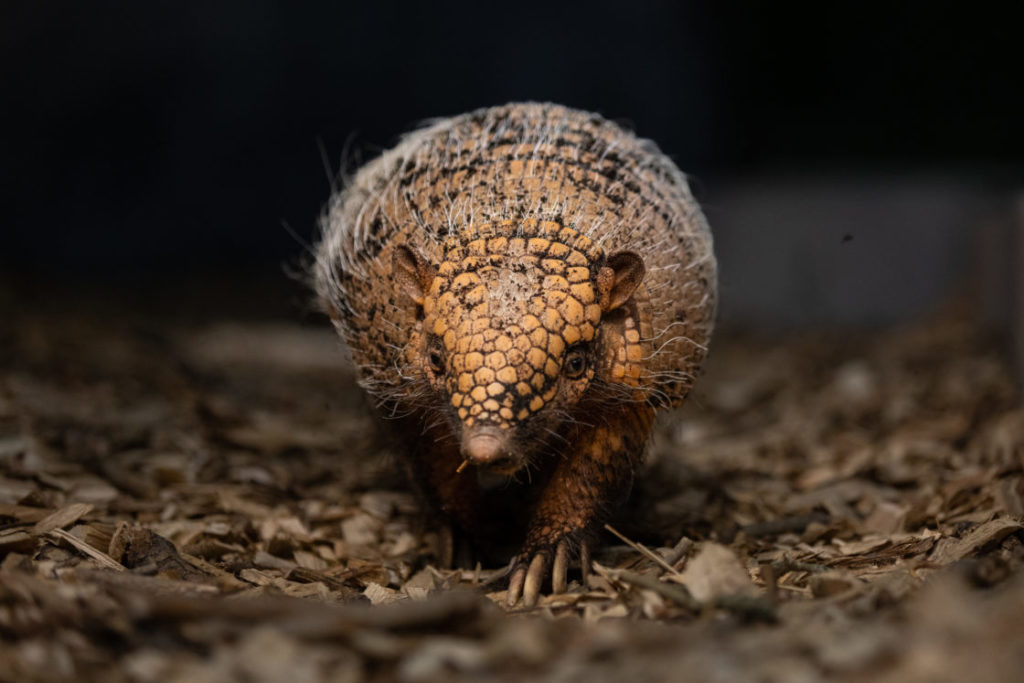
Meanwhile, Dublin Zoo has welcomed two new species, a six-banded armadillo named Ozzy, who is just one year old, and two giant anteaters named Junio and Milo. Milo is 10 years of age, while Junio is eight, and both come from Allwetteezoo in north-western Germany.
Giant anteaters are classified by the IUCN Red List as “vulnerable” and as the most threatened mammal in Central America, while the six-banded armadillo, who gets his name from the six moveable bands of armour on its body, is native to South America and can encounter threats in the wild from hunters.